
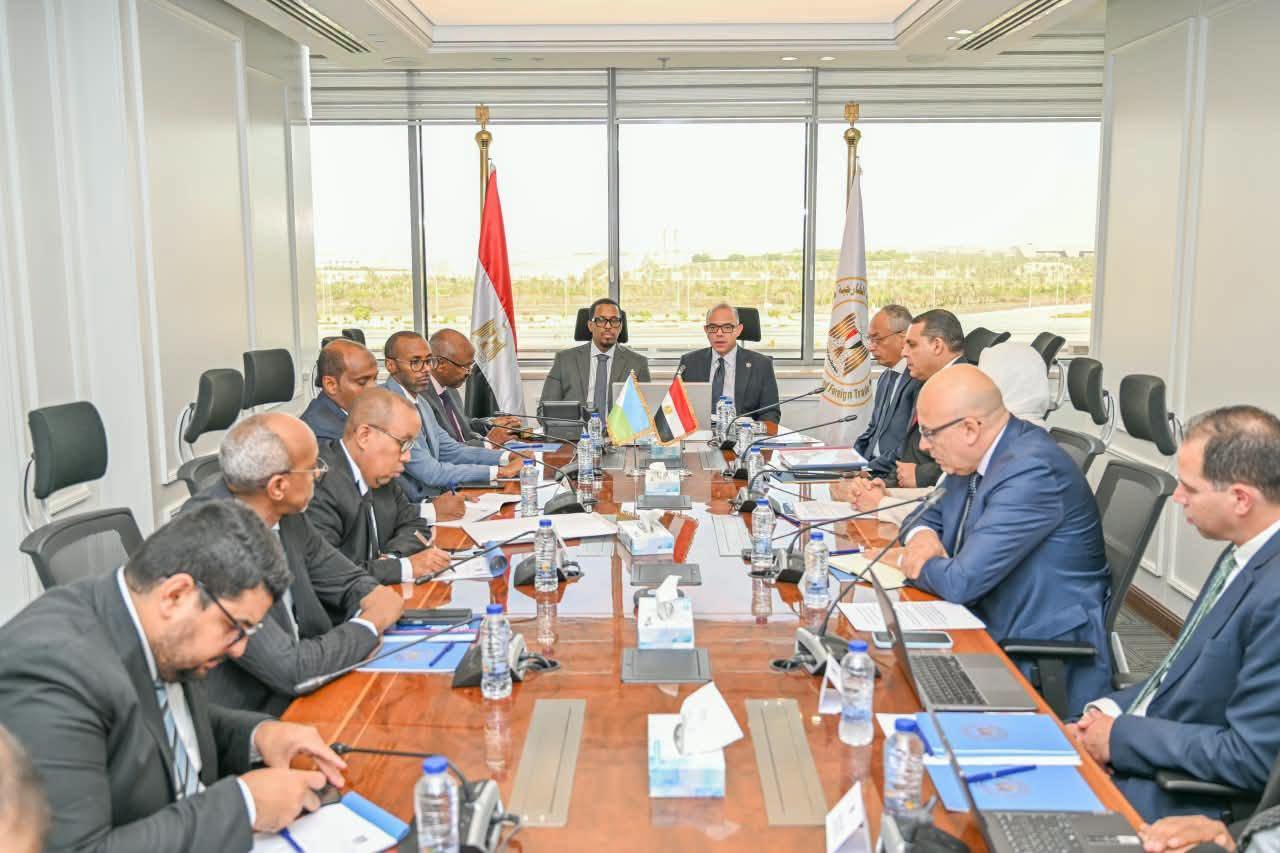
Egyptian Ministry: Egypt, Djibouti Sign Bilateral Trade Protocol
Summary
- Egypt and Djibouti have signed a framework agreement protocol to boost bilateral trade.
- The agreement aims to open new avenues for companies from both nations.
- Egypt's Minister of Investment and Foreign Trade, Hassan Elkhatib, signed the protocol with Djibouti's Minister of Trade.
- The Egyptian Ministry of Investment and Foreign Trade announced the agreement on Wednesday.
- The protocol seeks to enhance market access and foster greater economic cooperation between the two countries.
A New Framework for Bilateral Trade
Businesses should closely monitor the implementation details of this protocol for new trade regulations or incentives that could significantly impact their supply chains and market strategies, leveraging the enhanced market access opportunities it presents for growth and expansion.
Egypt and Djibouti have recently formalized a significant economic partnership through the signing of a framework agreement protocol. This accord is specifically designed to enhance bilateral trade relations and create new opportunities for businesses operating in both countries, marking a pivotal step in their economic cooperation. The Egyptian Ministry of Investment and Foreign Trade made the announcement on Wednesday, highlighting the strategic importance of this collaboration for regional development and mutual prosperity.
The signing ceremony, which took place recently, saw key representatives from both nations commit to fostering stronger commercial ties. Egypt’s Minister of Investment and Foreign Trade, Hassan Elkhatib, affixed his signature to the document, alongside Djibouti’s Minister of Trade. This Egypt Djibouti bilateral trade protocol signifies a concerted effort to deepen economic integration and facilitate smoother market access for goods and services between the two African states, aiming to unlock untapped potential in various sectors.
Expanding Market Access and Economic Cooperation
The core objective of this newly established framework agreement is to significantly boost trade volumes and diversify economic interactions between Egypt and Djibouti. This Egypt Djibouti market access agreement is anticipated to dismantle existing barriers, thereby enabling companies to explore previously untapped commercial avenues and expand their operational footprints. The initiative reflects a shared vision for robust Egypt Djibouti trade expansion, aiming to generate substantial mutual economic benefits through increased commercial exchanges and collaborative ventures.
Under the terms of the protocol, both governments commit to creating a more conducive environment for cross-border commerce. This includes exploring mechanisms that streamline customs procedures, harmonize trade regulations, and promote investment flows, all crucial elements for fostering a dynamic trade relationship. The Egyptian Ministry of Investment and Foreign Trade views this as a foundational step towards a more integrated regional economy, strategically leveraging Djibouti's critical geographic position as a gateway to East Africa and Egypt's diverse industrial and agricultural capabilities.
Strategic Implications for Businesses
For businesses and investors, the signing of this Egypt Djibouti bilateral trade protocol opens up a landscape of potential new ventures and expanded operations, promising enhanced commercial opportunities. The agreement is expected to lead to tangible benefits, such as reduced trade costs, improved logistical pathways, and greater predictability in cross-border transactions, all of which are crucial for companies looking to broaden their reach across the African continent. This strategic move by both nations underscores a commitment to fostering a dynamic and supportive commercial environment.
The active involvement of figures like Hassan Elkhatib in spearheading this initiative signals a high-level commitment to realizing the protocol's full potential for Egypt Djibouti trade. While this specific document is a framework agreement protocol and not explicitly a bilateral investment treaty, such foundational accords often lay the groundwork for future, more comprehensive investment protection and promotion agreements, further solidifying commercial relationships. Businesses should closely monitor the implementation details of this protocol for new trade regulations or incentives that could significantly impact their supply chains and market strategies, leveraging the enhanced market access opportunities it presents for growth and expansion.
Practical Implications
Lawyers should advise clients on the new market access opportunities and potential trade benefits arising from this protocol between Egypt and Djibouti, assessing how it impacts existing or planned business operations and supply chains in both nations. Compliance officers should monitor the implementation details for new trade regulations or incentives.
Source
How does this affect you?
Get an AI analysis of this article grounded in your jurisdictions, practice areas, and any policy documents you've uploaded to Wansom.
Finish Reading the Full Story and the Expert Analysis.
Get the latest legal & regulatory intelligence in Egypt
Wansom is AI and can make mistakes.