
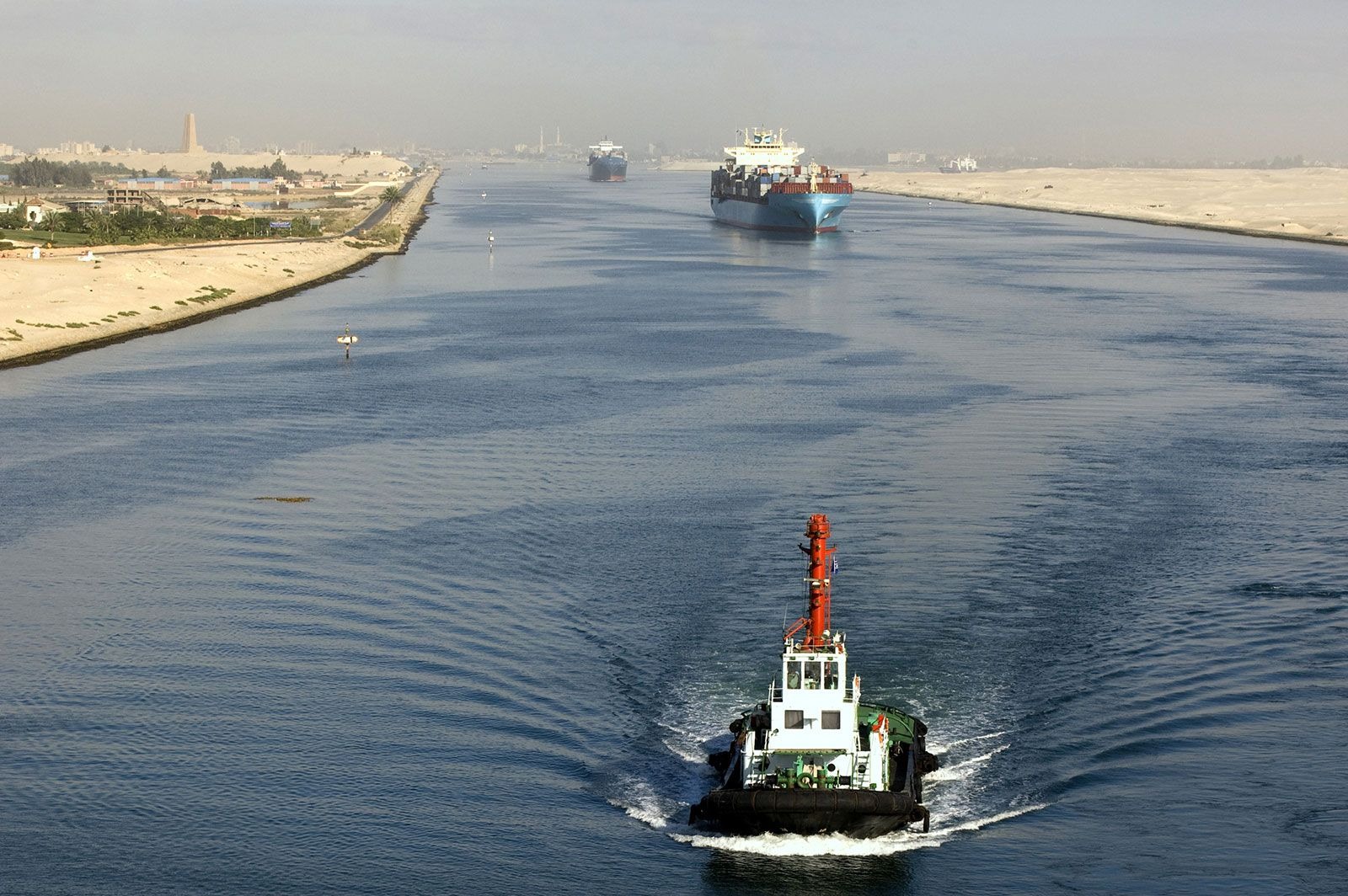
Egypt: Denies Suez Canal Sale Amid Debt Rumors
Summary
- Egypt has officially denied any plans to sell, pledge, or transfer ownership of the Suez Canal.
- These denials specifically address social media reports linking such proposals to the country's government debt.
- Rumors emerged following comments by Egypt's prime minister regarding financial losses due to disruptions in the waterway's traffic.
- The government also dismissed claims of a $500 million loss incurred by the Suez Canal, stating they were unfounded.
- This clarification confirms the Suez Canal's ownership and operational status remain unchanged, dispelling privatization rumors.
What Happened
The unequivocal rejection of these proposals by Egyptian authorities underscores the nation's commitment to maintaining its sovereignty over key infrastructure, thereby reducing uncertainty in the international business and legal communities regarding the future of one of the world's most vital maritime passages.
Egyptian authorities have firmly rejected any suggestions of selling, pledging, or transferring ownership of the Suez Canal. This official stance directly addresses widespread social media reports that had speculated on such a move, particularly in connection with the nation's sovereign debt obligations.
The government's unequivocal denial aims to quash persistent Suez Canal ownership rumors that have been circulating online. These rumors suggested that the vital waterway might be used as collateral or that its control could be transferred to creditors as part of a broader strategy to manage Egypt's financial liabilities. The clear statement from Cairo underscores the country's commitment to maintaining full control over this critical national asset.
Context of the Denials
The recent wave of speculation and social media reports emerged following comments made by Egypt's prime minister. These remarks pertained to financial losses incurred due to disruptions affecting traffic through the Suez Canal, a key revenue generator for the nation. The prime minister's statements were apparently misinterpreted or amplified in online discussions, leading to erroneous conclusions about the government's intentions regarding the canal's future.
In addition to refuting any plans for a sale or transfer, Egyptian officials also explicitly dismissed a specific claim circulating on social media regarding a purported $500 million loss by the Suez Canal. This particular figure was categorized as unfounded, further highlighting the government's efforts to counter misinformation and provide clarity on the canal's operational and financial status. The government's strong denial serves as a direct response to these specific claims and broader Suez Canal privatization denial narratives.
Legal and Economic Implications
The Suez Canal stands as a cornerstone of Egypt's economy and serves as an indispensable artery for global maritime trade. Its status as a sovereign asset is of paramount importance, both domestically and internationally. The government's firm and public declaration that Egypt denies Suez Canal sale plans is crucial for maintaining investor confidence and ensuring stability in international maritime operations.
This clarification is particularly significant for stakeholders closely monitoring Egypt's economic stability and its approach to managing its sovereign debt. The confirmation that there are no intentions to divest control of such a strategic national asset provides reassurance that the legal framework governing the canal's operation and ownership remains stable. This stability is vital for international shipping companies, trade partners, and financial institutions engaged with Egypt or utilizing the canal.
Why It Matters
For legal professionals advising on international investments, sovereign debt, or maritime interests in Egypt, this official development is highly significant. It allows them to confidently reassure clients that the legal and operational status of this critical waterway remains unchanged, thereby mitigating concerns about potential shifts in control or regulatory frameworks that could arise from a change in ownership or operational structure.
The unequivocal rejection of these proposals by Egyptian authorities underscores the nation's commitment to maintaining its sovereignty over key infrastructure, thereby reducing uncertainty in the international business and legal communities regarding the future of one of the world's most vital maritime passages. This stance reinforces the predictability and stability essential for long-term planning and investment in the region, particularly concerning the critical role of the Suez Canal in global commerce.
Practical Implications
This development clarifies that the Suez Canal's ownership and operational status remain unchanged, dispelling rumors of a sale or pledge. Lawyers advising on international investments, sovereign debt, or maritime interests in Egypt can reassure clients that the legal framework governing this critical waterway is stable, mitigating concerns about potential shifts in control or regulatory changes.
Source
How does this affect you?
Get an AI analysis of this article grounded in your jurisdictions, practice areas, and any policy documents you've uploaded to Wansom.
Finish Reading the Full Story and the Expert Analysis.
Wansom is AI and can make mistakes.