
Egypt: Calls For Legally Binding Global Drought Protocol
Summary
- Egypt has called for a legally binding international protocol to address drought, desertification, and land degradation.
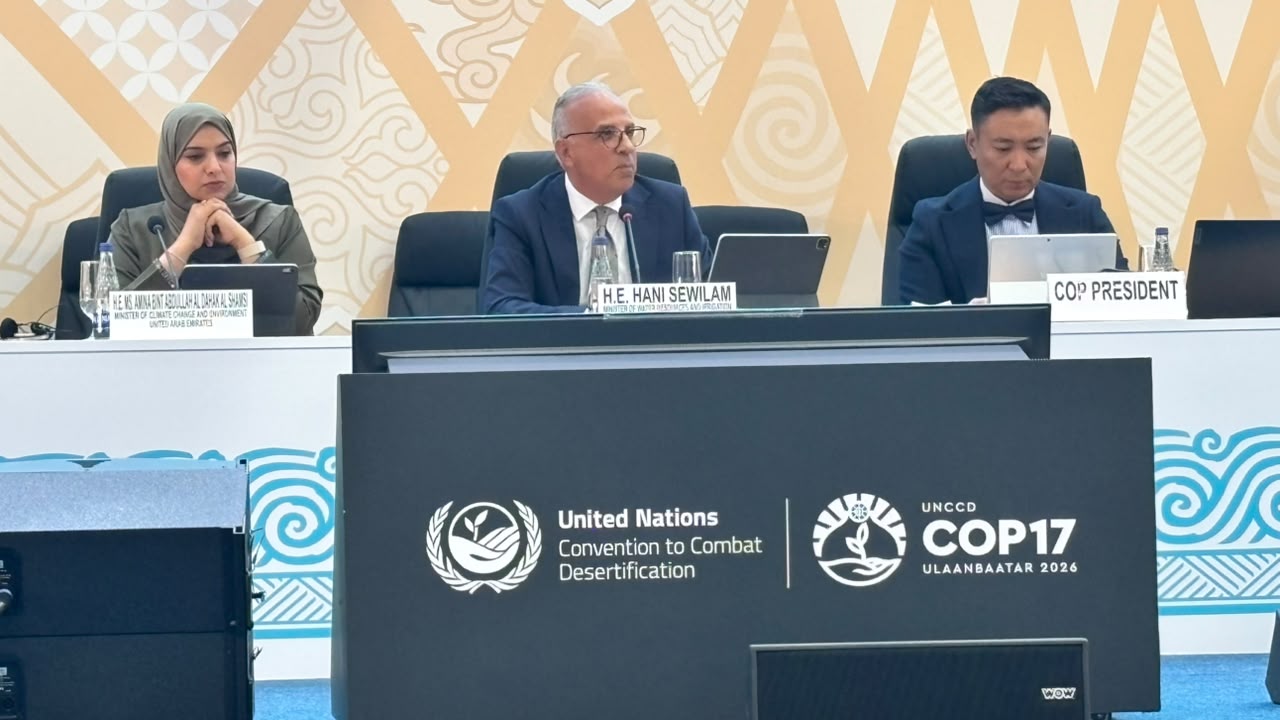
- Water Resources and Irrigation Minister Hani Sewilam made this call during the ministerial segment of the 17th Conference of Parties.
- Egypt argues that these issues are direct threats to water security, food security, livelihoods, and socioeconomic stability, not just environmental concerns.
- The proposal comes ahead of Egypt's presidency of COP18, indicating a potential focus on this issue.
- A legally binding protocol would impose enforceable obligations on signatory nations, impacting international compliance and business operations.
Egypt's Urgent Call for a Global Drought Protocol
For businesses operating in Egypt or other drought-prone regions, the development of this proposed legally binding protocol is particularly significant, as it could introduce new international compliance obligations related to water resource management, land use, and environmental reporting, directly affecting operational practices and supply chains.
Egypt has put forth a significant proposal on the international stage, advocating for the establishment of a legally binding global drought protocol. This call underscores a growing recognition that the challenges posed by drought, alongside land degradation and desertification, extend far beyond traditional environmental concerns, now representing direct threats to fundamental aspects of human society.
The formal request for this comprehensive global drought agreement Egypt seeks was articulated by Water Resources and Irrigation Minister Hani Sewilam. His Hani Sewilam drought call was made during the ministerial segment of the 17th Conference of Parties, an important forum for global environmental discussions. This proactive stance comes as Egypt prepares for its upcoming presidency of COP18, signaling a potential focus on robust environmental policy during its leadership.
Redefining Drought as a Security Threat
The core of Egypt's argument for a legally binding drought protocol rests on a redefinition of these environmental phenomena. Minister Sewilam emphasized that land degradation, desertification, and drought are no longer merely ecological issues. Instead, they have evolved into direct and severe threats to water security, food security, and the livelihoods of populations worldwide.
Furthermore, the Egyptian government highlights the profound impact these issues have on socioeconomic stability. By framing these challenges in terms of national and international security, Egypt aims to elevate the urgency and commitment required from the global community to address them through a robust framework, potentially influencing future Egypt water security legislation and international cooperation.
The Significance of a Legally Binding Framework
The insistence on a *legally binding* international protocol is a critical aspect of Egypt's proposal. Unlike non-binding declarations or voluntary agreements, a legally binding instrument would impose enforceable obligations on signatory nations, compelling them to implement specific measures to combat drought, desertification, and land degradation. This would represent a substantial step forward in land degradation international law, moving beyond aspirational goals to concrete, accountable actions.
Such a global drought agreement Egypt champions could introduce new compliance requirements for countries, potentially impacting various sectors, including agriculture, industry, and urban development. For businesses operating in Egypt or other drought-prone regions, the development of this proposed legally binding protocol is particularly significant, as it could introduce new international compliance obligations related to water resource management, land use, and environmental reporting, directly affecting operational practices and supply chains. This initiative could shape the COP18 environmental policy Egypt will champion, setting a precedent for future international environmental governance.
Practical Implications
Lawyers advising clients with operations in Egypt or other drought-prone regions should monitor the development of this proposed legally binding protocol, as it could introduce new international compliance obligations related to water resource management, land use, and environmental reporting, impacting business operations and supply chains.
Source
How does this affect you?
Get an AI analysis of this article grounded in your jurisdictions, practice areas, and any policy documents you've uploaded to Wansom.
Wansom is AI and can make mistakes.