
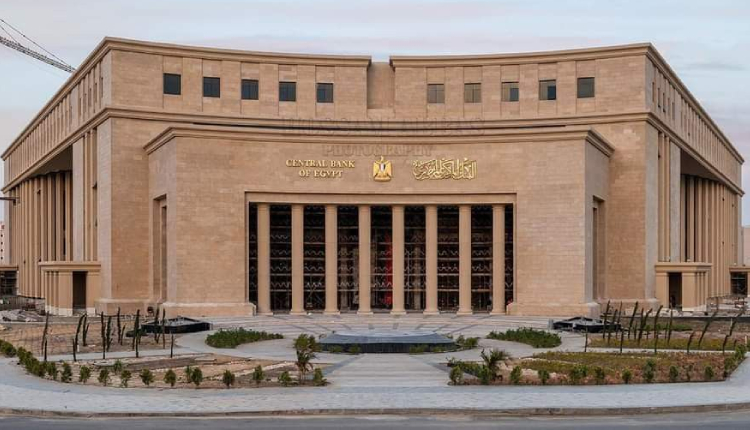
Central Bank of Egypt: Egypt Bank Holiday August 27 for Prophet's Birthday
Summary
- All banks in Egypt will be closed on Thursday, August 27, to observe the birthday of Prophet Muhammad.
- The Central Bank of Egypt (CBE) issued a statement on Wednesday confirming the nationwide bank holiday.
- Banking operations are scheduled to resume on Sunday, August 30.
- The bank holiday follows a government decision declaring August 27 a paid public holiday for state and public-sector employees.
Nationwide Bank Closure Announced for August 27
Lawyers and compliance officers, in particular, should take note of this impending closure.
The Central Bank of Egypt (CBE) has confirmed that all banking institutions operating within the country will observe a public holiday on Thursday, August 27. This closure is mandated to commemorate the birthday of Prophet Muhammad, a significant religious observance in Egypt. The announcement, issued by the CBE in a statement on Wednesday, specifies that normal banking operations are scheduled to resume on Sunday, August 30, following the extended weekend.
This directive means that for the entire day on Thursday, August 27, no financial transactions requiring direct bank processing will occur across Egypt. Businesses and individuals planning financial activities, including transfers, payments, or other banking services, should factor in this nationwide shutdown. The three-day hiatus from Thursday through Saturday, with Sunday marking the return to business, necessitates careful planning for any time-sensitive financial operations.
The decision for this specific Egypt bank holiday on August 27 aligns with a broader governmental decree. The Egyptian government had previously declared August 27 as a paid public holiday for a significant portion of the workforce. This includes all state employees, as well as personnel working within public-sector entities and state-owned companies, underscoring the widespread impact of this commemorative day across various sectors.
Regulatory Framework and Public Holidays
The Central Bank of Egypt holds the authority to regulate the operational schedules of financial institutions nationwide, including the declaration of bank holidays. This power is crucial for maintaining stability within the financial sector and ensuring that such closures are uniformly observed, preventing any disruption or confusion among banks and their clientele. The CBE's statement serves as the official directive for all licensed banks to cease operations on the designated date.
This particular bank holiday, marking the Prophet's birthday, is a recurring fixture in the Egyptian calendar, reflecting the country's cultural and religious heritage. While the specific date may shift annually based on the Islamic calendar, the principle of observing such significant events with a public holiday remains consistent. The government's parallel decision to grant a paid holiday to public sector employees further reinforces the national significance of the occasion, ensuring that a large segment of the workforce also benefits from the observance.
Operational Impact and Compliance Considerations
The upcoming CBE bank operations holiday on August 27 carries significant implications for financial planning and compliance, particularly for businesses and legal professionals managing transactions in Egypt. With all Egyptian banks closure August, any financial transaction deadlines falling on or around this date will be affected. This necessitates proactive adjustments to payment schedules, fund transfers, and other time-sensitive financial commitments to avoid penalties or operational delays.
Lawyers and compliance officers, in particular, should take note of this impending closure. Advising clients on potential disruptions to financial operations in Egypt is critical, especially for international businesses or those with cross-border dealings. The three-day break in banking services, from Thursday to the resumption on Sunday, means that any instructions or transfers initiated late in the week preceding the holiday may not be processed until the following week. This requires careful communication with stakeholders and a review of contractual obligations that might be impacted by the temporary cessation of banking activities.
Practical Implications
Lawyers and compliance officers should note the bank closure to adjust transaction deadlines and payment schedules, advising clients on potential delays for financial operations in Egypt.
Source
How does this affect you?
Get an AI analysis of this article grounded in your jurisdictions, practice areas, and any policy documents you've uploaded to Wansom.
Wansom is AI and can make mistakes.