
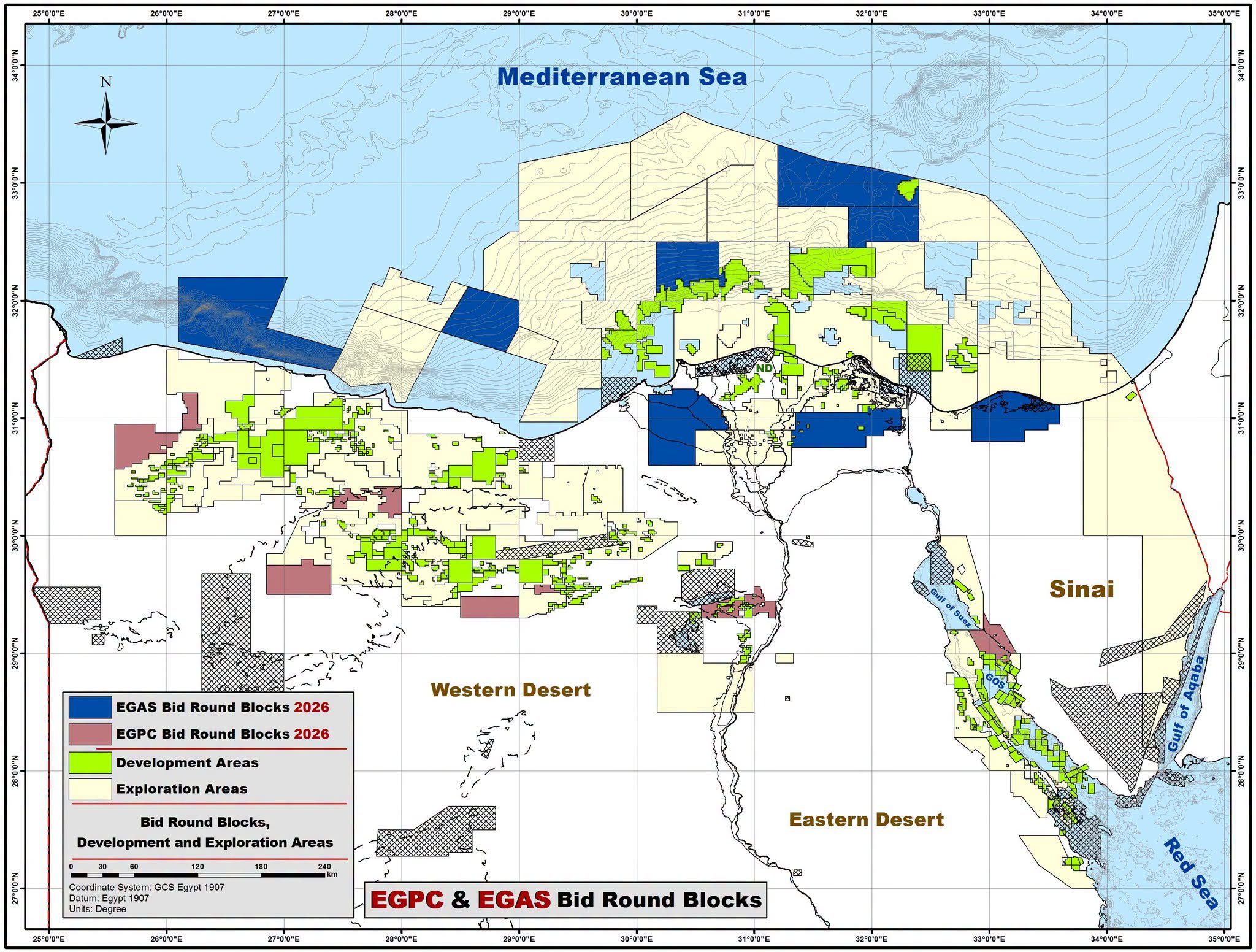
Egypt: 2026 Oil Gas Bid Round Launches 14 Exploration Areas
Summary
- Egypt has initiated its 2026 international bid round for oil and natural gas exploration.
- The tender offers 14 distinct exploration areas to both domestic and foreign companies.
- The primary goals are to attract significant investment and enhance Egypt's domestic energy production.
- This initiative forms a key part of Egypt's strategy to boost production over the coming five years.
Egypt's Latest Upstream Offering
For energy sector clients eyeing the Egypt 2026 oil gas bid round, a thorough understanding of the prevailing legal and regulatory requirements is paramount.
Egypt has officially launched its 2026 international bid round, inviting both domestic and global companies to participate in a significant tender for oil and natural gas exploration. This strategic initiative makes available 14 distinct exploration areas, signaling a clear intent to invigorate the nation's energy sector. The comprehensive offering aims to draw substantial investment into Egypt's upstream segment, fostering new partnerships and leveraging international expertise.
The primary objective behind this extensive Egypt 2026 oil gas bid round is two-fold: to attract crucial foreign and local capital, and to significantly boost domestic hydrocarbon production. This effort is integral to Egypt's broader energy strategy, which targets an increase in output over the next five years. By opening these Egyptian oil exploration areas, the government seeks to enhance its energy security and potentially solidify its position as a regional energy hub.
Companies considering participation in this Egypt petroleum exploration tender will find a competitive landscape, with the government keen to secure bids that promise robust development and sustainable extraction. The 14 exploration areas represent diverse geological prospects, offering varied opportunities for companies with different operational capabilities and risk appetites. This move underscores Egypt's ongoing commitment to developing its natural resources and expanding its energy footprint.
Navigating the Legal and Contractual Framework
For energy sector clients eyeing the Egypt 2026 oil gas bid round, a thorough understanding of the prevailing legal and regulatory requirements is paramount. Lawyers advising these clients must meticulously review the licensing procedures, which are often complex and require precise adherence to national statutes and international best practices. The terms governing these international oil gas bids Egypt will dictate the operational parameters, financial obligations, and environmental responsibilities for any successful bidder.
Due diligence will be a critical phase for companies evaluating the 14 exploration areas. This involves not only assessing the geological potential but also scrutinizing the legal title, existing encumbrances, and any potential disputes associated with the specific Egyptian oil exploration areas. Contractual terms, typically structured as production sharing agreements or concession agreements, will outline the division of output, cost recovery mechanisms, and the duration of exploration and production phases. Expert legal counsel is indispensable to negotiate favorable terms and ensure compliance throughout the project lifecycle, mitigating risks inherent in such large-scale upstream investment opportunities.
Understanding the nuances of Egypt's petroleum law, tax regime, and foreign investment regulations will be key to formulating a competitive and compliant bid. The government's push for increased domestic production over the next five years suggests a supportive regulatory environment, but navigating the specifics of each tender document and its implications for long-term operations requires specialized legal insight. This bid round represents a significant opportunity within the Egypt energy sector investment landscape, but one that demands careful legal preparation.
Strategic Imperatives for Egypt's Energy Future
The launch of the Egypt 2026 oil gas bid round is a pivotal component of the nation's long-term energy strategy, aiming to bolster its economic resilience and meet growing domestic demand. By offering 14 exploration areas, Egypt is actively seeking to unlock new hydrocarbon reserves, which are vital for both internal consumption and potential export revenues. This initiative is designed to attract a diverse pool of international oil and gas companies, bringing in not only capital but also advanced technologies and operational expertise.
This push for increased domestic production over the next five years is a strategic response to global energy market dynamics and national development goals. Enhanced local supply reduces reliance on imports, stabilizes energy prices within the country, and frees up resources for other economic sectors. The bid round underscores Egypt's commitment to maintaining its status as a significant player in the regional energy landscape, leveraging its geographical position and existing infrastructure to maximize the value of its natural gas and oil resources.
Ultimately, the success of this Egypt petroleum exploration tender will be measured by its ability to secure robust upstream investment opportunities that translate into tangible increases in hydrocarbon output. The government's clear objectives to attract investment and raise domestic production are intertwined with its broader vision for sustainable economic growth and energy independence, making this bid round a critical barometer of investor confidence in the Egypt energy sector investment climate.
Operational and Environmental Compliance Outlook
For companies that successfully secure rights to any of the 14 exploration areas in the Egypt 2026 oil gas bid round, a rigorous focus on operational and environmental compliance will be non-negotiable. Compliance officers must proactively prepare to assess and integrate new obligations stemming from exploration and production activities. This includes adherence to stringent environmental impact assessment requirements, which are crucial for mitigating the ecological footprint of hydrocarbon extraction.
Operational compliance will encompass a wide array of regulations, from health and safety standards for personnel working in the Egyptian oil exploration areas to technical specifications for drilling and production equipment. Companies must be prepared to implement best practices in waste management, emissions control, and biodiversity protection. The regulatory framework for international oil gas bids Egypt typically mandates regular reporting and monitoring to ensure ongoing adherence to national and international environmental standards.
Given the increasing global emphasis on sustainable energy practices, successful bidders will need to demonstrate a strong commitment to corporate social responsibility and environmental stewardship. This proactive approach to compliance not only minimizes legal and reputational risks but also aligns with the long-term sustainability goals of the Egypt energy sector investment strategy. Preparing for these multifaceted compliance obligations from the outset is essential for any entity looking to capitalize on Egypt's upstream investment opportunities.
Practical Implications
Lawyers should advise energy sector clients on the legal and regulatory requirements for participating in Egypt's 2026 international bid round, including licensing, contractual terms, and due diligence for the 14 exploration areas. Compliance officers should prepare to assess new operational and environmental compliance obligations for any successful bids.
Source
How does this affect you?
Get an AI analysis of this article grounded in your jurisdictions, practice areas, and any policy documents you've uploaded to Wansom.
Wansom is AI and can make mistakes.