
Malawi Parliament: Egenco K2.6bn Payment to M&M Global Malawi Questioned
Summary
- Malawi's Parliamentary Committee on Commissions, Statutory Corporations and State Enterprises rejected an explanation from Egenco officials.
- The committee was dissatisfied with Egenco's account of a K2.6 billion payment made to M&M Global Law Consultants Malawi.
- This payment was intended to facilitate the recovery of K14.8 billion owed to Egenco by the Electricity Supply Corporation of Malawi (Escom).
- The incident highlights increased Malawi Parliament Egenco scrutiny over the financial dealings of state-owned enterprises.
Parliamentary Rejection of Egenco's Explanation
The decision by the Statutory Corporations Committee Malawi to reject Egenco's explanation signals a period of heightened parliamentary oversight for state-owned enterprises across the country.
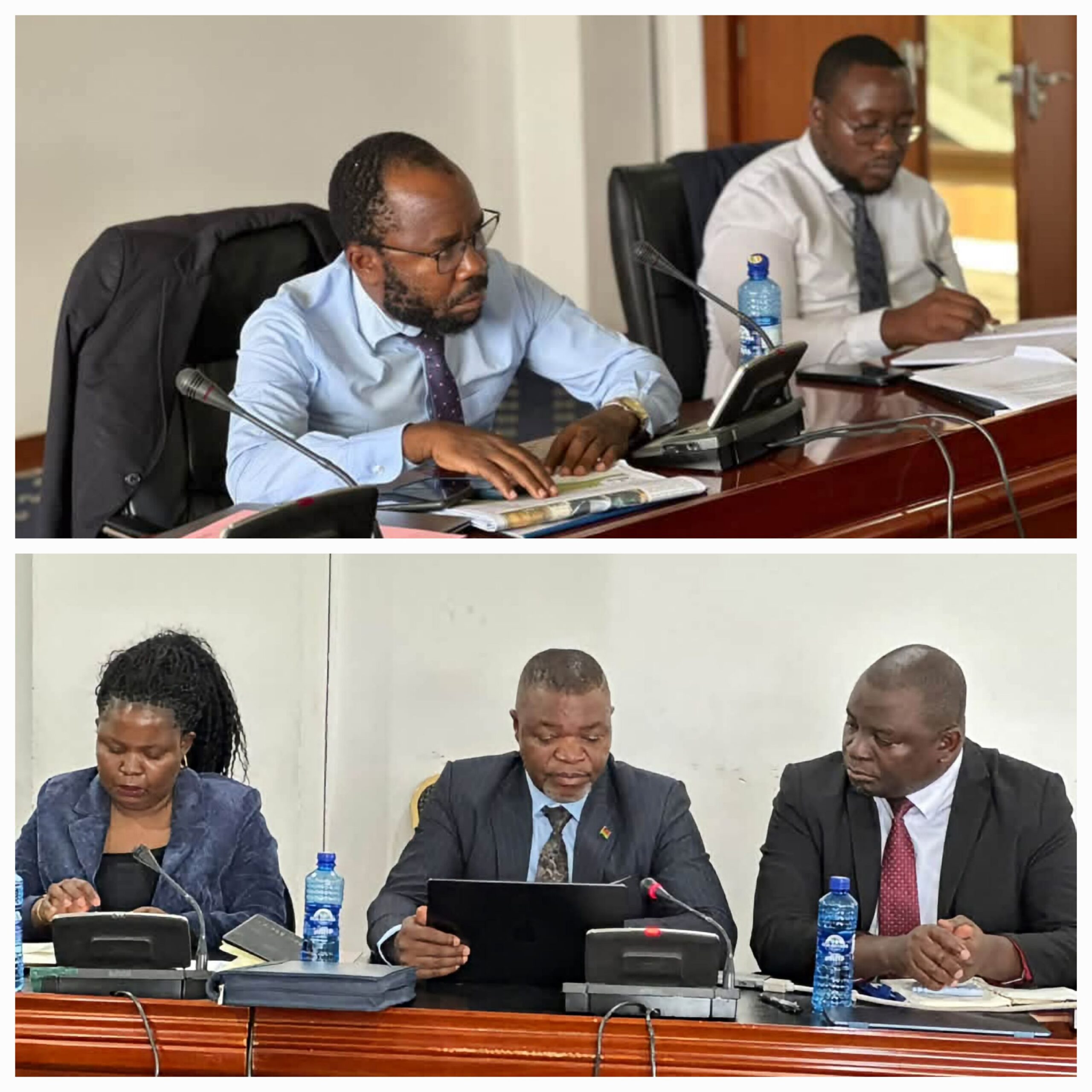
The Malawi Parliament's Committee on Commissions, Statutory Corporations and State Enterprises recently dismissed officials from the Electricity Generation Company Malawi (Egenco) during an inquiry. This action, taken on a Thursday evening, stemmed from the committee's profound dissatisfaction with Egenco's account regarding a significant K2.6 billion payment. The parliamentary body found the provided explanation for this substantial expenditure to be inadequate and lacking in clarity, prompting them to send the Egenco delegation away without resolution.
This K2.6 billion payment was directed to M&M Global Law Consultants Malawi, a legal firm engaged by Egenco. The purpose of this substantial disbursement was to facilitate the recovery of an even larger sum: K14.8 billion. This considerable debt is owed to Egenco by the Electricity Supply Corporation of Malawi (Escom), highlighting a significant financial dispute between two key state-owned entities within the nation's energy sector. The committee's scrutiny underscores a growing focus on the financial dealings of such corporations.
The Context of a Major Debt Recovery Effort
The core of the parliamentary inquiry revolved around the K2.6 billion fee paid to M&M Global Law Consultants Malawi for their role in the Escom K14.8 billion debt recovery. This substantial legal fee represents a significant portion of the total amount Egenco aims to reclaim from Escom, raising questions about the proportionality and justification of such an expenditure in the context of public funds. The committee's dissatisfaction suggests concerns over the transparency or efficacy of this arrangement.
The K14.8 billion debt itself represents a critical financial obligation within Malawi's energy infrastructure, impacting the operational capabilities of both Egenco, as the generator, and Escom, as the distributor. The engagement of external legal consultants at such a high cost for this specific debt collection effort has now drawn intense Malawi Parliament Egenco scrutiny, indicating a broader push for greater accountability in the management of state assets and liabilities.
Heightened Scrutiny for State-Owned Enterprises
The decision by the Statutory Corporations Committee Malawi to reject Egenco's explanation signals a period of heightened parliamentary oversight for state-owned enterprises across the country. This incident involving the Egenco K2.6bn payment to M&M Global Law Consultants Malawi serves as a clear indicator that legislative bodies are intensifying their examination of how public funds are managed and how procurement processes, particularly for services like legal consultancy, are conducted. The committee's firm stance reflects a commitment to ensuring fiscal responsibility and transparency within these critical national institutions.
This development carries significant implications for all Malawian state-owned enterprises and their external partners. It suggests that large contractual agreements, especially those involving substantial fees for services like debt recovery, will face rigorous review. Lawyers advising SOEs or involved in government contracts should anticipate increased due diligence requirements and a greater potential for public accountability investigations into similar arrangements, as the Parliament demonstrates its resolve to challenge explanations that "fail to add up."
Practical Implications
This development signals heightened parliamentary scrutiny over the financial dealings and procurement practices of Malawian state-owned enterprises, particularly regarding large legal consultancy fees for debt recovery. Lawyers advising SOEs or involved in government contracts should anticipate increased due diligence requirements and potential for public accountability investigations into similar arrangements.
Source
How does this affect you?
Get an AI analysis of this article grounded in your jurisdictions, practice areas, and any policy documents you've uploaded to Wansom.
Finish Reading the Full Story and the Expert Analysis.
Get the latest legal & regulatory intelligence in Malawi
Wansom is AI and can make mistakes.