
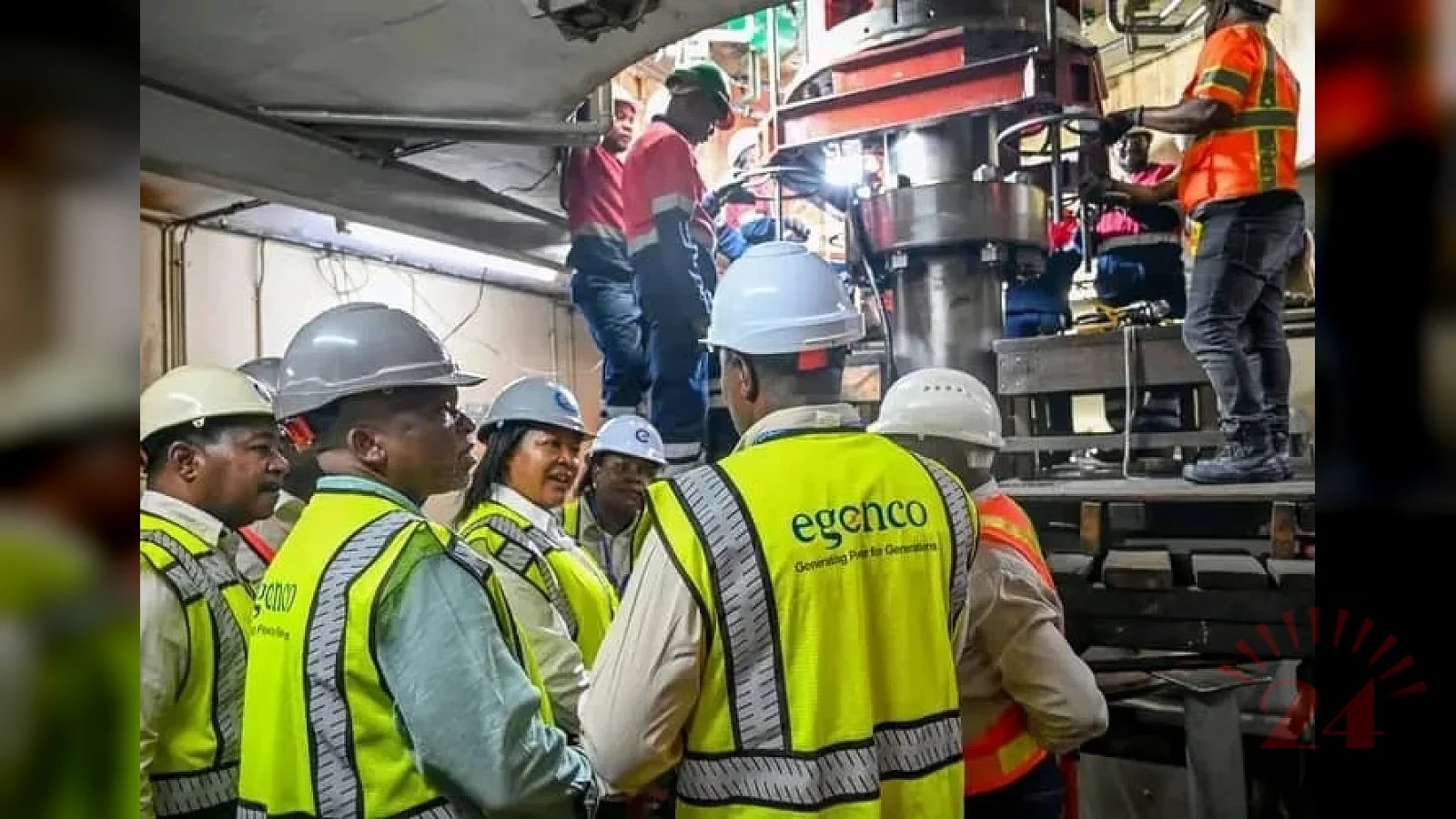
Egenco Malawi: K2.6bn Lawyer Payment Authorized After 31MW Power Promise
Summary
- Egenco, Malawi's power utility, publicly promised to restore 31 megawatts to the national grid.
- Just three days after this promise, an internal instruction was issued to pay K2.62 billion for legal services.
- Malawi's grid was experiencing severe power shortages, significantly impacting students, patients, and businesses.
- The substantial Egenco K2.6bn lawyer payment Malawi raises concerns about financial transparency and resource allocation within the state-owned enterprise.
Critical Timeline Unveiled
The timing of this considerable financial transaction, occurring so soon after a critical public promise regarding power supply, has drawn scrutiny regarding the allocation of resources within the Malawi power utility.
Malawi's state-owned power generation company, Egenco, recently found itself at the center of public attention following a significant commitment to address the nation's persistent electricity deficit. The utility had publicly assured Malawians it would restore 31 megawatts (MW) to the power-starved national grid, a promise aimed at alleviating widespread energy challenges. This pledge was made during a period when the country was grappling with severe power shortages, impacting various facets of daily life and economic activity. The expectation was that this additional capacity would offer much-needed relief to a populace frequently left without electricity.
However, a stark contrast emerged just three days after this public declaration. An internal directive, documented on a law firm's invoice, instructed Egenco staff to process a substantial payment. This instruction authorized the disbursement of K2.62 billion, earmarked for legal services provided by the firm. The timing of this considerable financial transaction, occurring so soon after a critical public promise regarding power supply, has drawn scrutiny regarding the allocation of resources within the Malawi power utility. The payment to these Egenco lawyers represents a significant expenditure for the state enterprise.
Impact of Power Deficits
The backdrop against which Egenco's promise and subsequent payment unfolded is one of acute energy scarcity across Malawi. The national grid's inability to meet demand has had far-reaching consequences, plunging numerous sectors into darkness and disrupting essential services. Students, for instance, face significant hurdles in their educational pursuits, with limited access to lighting for studying, particularly in regions where alternative power sources are scarce or unaffordable. This directly impedes academic progress and exacerbates existing inequalities.
Beyond education, the healthcare sector experiences critical challenges. Hospitals and clinics, vital for public well-being, struggle to maintain operations, impacting patient care, the functionality of medical equipment, and the preservation of crucial medicines. Businesses, from small enterprises to larger industries, also bear the brunt of erratic power supply. Production schedules are disrupted, operational costs increase due to reliance on generators, and overall economic productivity suffers, hindering growth and employment opportunities. The promise of 31MW was therefore not merely an operational target but a beacon of hope for improved living conditions and economic stability for Malawians.
Scrutiny on Egenco's Legal Expenditures
The instruction to pay K2.62 billion in Egenco legal fees Malawi raises important questions about financial governance within state-owned enterprises, particularly one like Egenco, which provides a critical public service. Such a substantial sum for legal services, especially when juxtaposed with the urgent need for power restoration, naturally invites heightened examination. Compliance officers and legal professionals often emphasize the necessity for robust internal controls and transparent procurement processes when public funds are involved, precisely to mitigate reputational and corruption risks. The scale of this K2.6 billion Egenco lawyers payment underscores the importance of clear, justifiable billing practices from legal advisors to public entities.
For organizations like Egenco, ensuring that all legal costs are not only legitimate but also demonstrably reasonable and procured through competitive and transparent means is paramount. The incident highlights a broader concern regarding the oversight of Malawi power utility legal costs and how they align with the core mandate of providing reliable electricity. The public and stakeholders expect accountability and prudence in the management of resources, especially when the entity is struggling to deliver on its primary service obligations. This situation serves as a critical reminder for all state-owned enterprises to maintain impeccable financial records and to be prepared to justify significant expenditures, particularly those involving external legal counsel.
Practical Implications
Compliance officers should note the heightened scrutiny on large legal fee payments by state-owned enterprises like EGENCO, indicating a need for robust internal controls and transparent procurement processes for legal services to mitigate reputational and corruption risks. For lawyers, this underscores the importance of clear, justifiable billing practices when advising public entities.
Source
Source: Original reporting via Malawi24
How does this affect you?
Get an AI analysis of this article grounded in your jurisdictions, practice areas, and any policy documents you've uploaded to Wansom.
Finish Reading the Full Story and the Expert Analysis.
Get the latest legal & regulatory intelligence in Malawi
Wansom is AI and can make mistakes.