
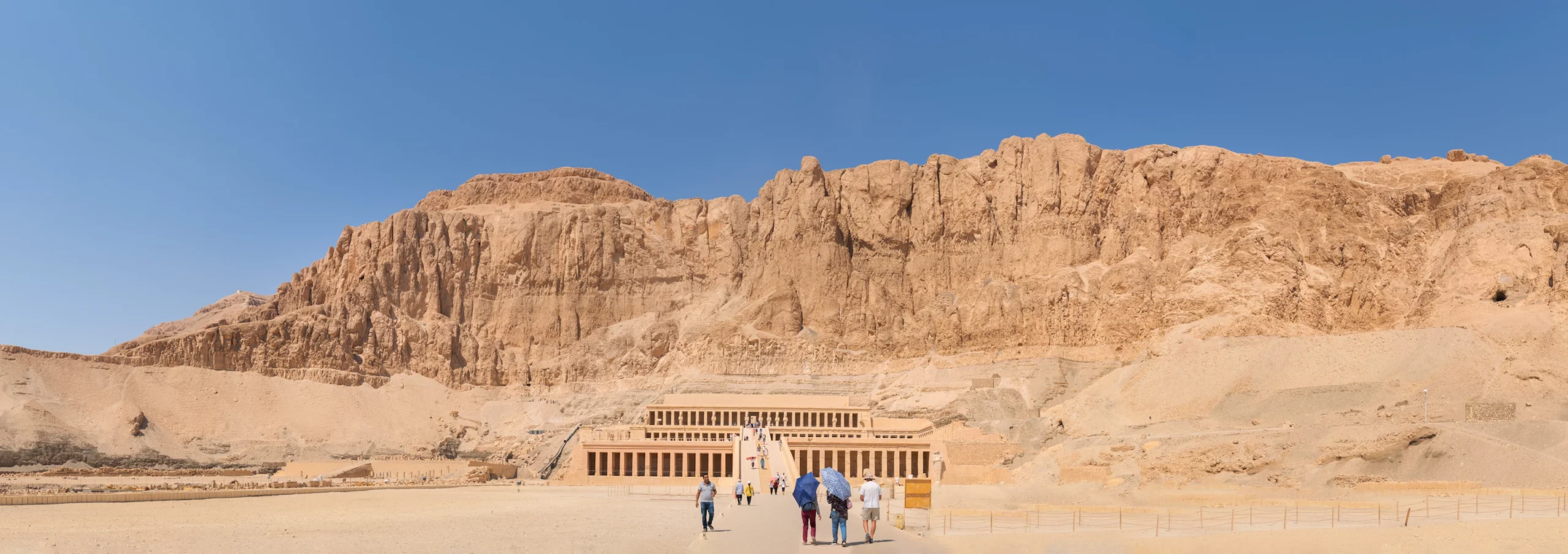
EG: Combating Illicit Trade in Ancient Artifacts
For over 150 years, Egypt has faced the systematic plundering of its archaeological sites by organized looters who smuggle priceless artifacts abroad, offloading them onto black-market antiquities circuits or legitimizing them in licensed auction houses.
This persistent issue highlights the profound challenges in safeguarding cultural heritage, impacting Egypt's national identity, tourism sector, and international relations. The continuous illicit trafficking of artifacts underscores the critical need for robust domestic and international legal frameworks to combat such activities effectively and facilitate the repatriation of stolen items. The economic and cultural losses incurred by Egypt due to this sustained looting are immeasurable, making the protection of these sites and the recovery of artifacts a matter of national priority and international concern.
The legal context for addressing this issue primarily involves Egypt's comprehensive antiquities laws, such as Law No. 117 of 1983, which has been significantly amended by Law No. 3 of 2010 and further by Law No. 12 of 2020. These laws criminalize the illicit trade, export, and possession of antiquities, imposing severe penalties. Internationally, Egypt is a signatory to key conventions like the 1970 UNESCO Convention on the Means of Prohibiting and Preventing the Illicit Import, Export and Transfer of Ownership of Cultural Property, which provides a framework for international cooperation in preventing illicit trade and facilitating repatriation. The UNIDROIT Convention on Stolen or Illegally Exported Cultural Objects (1995) also offers mechanisms for the return of cultural property. Enforcement involves the jurisdiction of Egyptian courts for domestic offenses and international cooperation through bodies like Interpol and cultural ministries for cross-border cases.
Key parties involved in this complex issue include the organized looting networks and international smugglers who perpetrate the crimes, as well as black-market dealers and potentially licensed auction houses that may handle items with questionable provenance. On the enforcement and protection side, the Egyptian Ministry of Tourism and Antiquities, Egyptian police, customs authorities, and international organizations such as UNESCO and Interpol play crucial roles. Foreign governments and their respective legal systems are also vital partners in the investigation, seizure, and repatriation of artifacts found outside Egypt. Attorneys advising art dealers, collectors, museums, or auction houses must exercise extreme diligence regarding the provenance of Egyptian artifacts, particularly those acquired after 1970, to avoid complicity in illicit trade. Legal professionals involved in international trade, cultural heritage law, or criminal law should be acutely aware of the strict Egyptian laws and international conventions governing antiquities. Businesses should monitor ongoing efforts by Egypt to reclaim artifacts and potential legal challenges or enforcement actions against entities dealing in items with questionable origins. The excerpt does not report the outcome of specific repatriation efforts, but the ongoing nature of the problem is clearly highlighted.
How does this affect you?
Get an AI analysis of this article grounded in your jurisdictions, practice areas, and any policy documents you've uploaded to Wansom.
Finish Reading the Full Story and the Expert Analysis.
Get the latest legal & regulatory intelligence in Egypt
Wansom is AI and can make mistakes.