
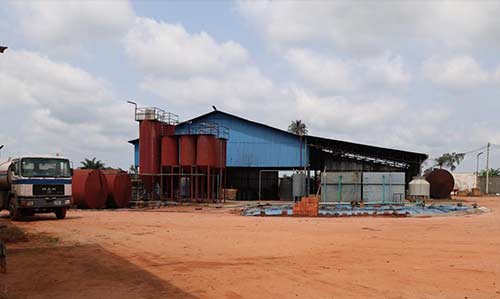
EFCC Uncovers Illegal Chinese Refinery in Ogun: Major Blow to Oil Bunkering
Summary
- The Economic and Financial Crimes Commission (EFCC) discovered a suspected illegal oil refinery in Ogere, Ogun State, on October 31, 2026.
- The facility is believed to have been operated by Chinese nationals, though their identities remain unknown.
- The discovery resulted from an intelligence-led operation by the EFCC's Lagos Zonal Directorate 2 targeting unauthorized petroleum processing.
- The EFCC has taken over the premises of the illicit refinery.
- This incident highlights ongoing challenges with illegal petroleum processing and oil bunkering in Nigeria.
Discovery of Illicit Petroleum Processing
The EFCC's swift action underscores its commitment to combating economic sabotage and environmental degradation caused by such illicit ventures.
The Economic and Financial Crimes Commission (EFCC) has identified and taken control of a suspected illegal oil refinery in the Ogere area of Ogun State. This operation, which authorities believe was run by Chinese nationals, was uncovered on Saturday, October 31, 2026, following an intelligence-led initiative specifically targeting unauthorized petroleum processing activities within the region.
This significant discovery highlights ongoing challenges with illegal petroleum processing in Nigeria. The facility's alleged operators, Chinese nationals, have not yet been identified, adding a layer of complexity to the ongoing investigation. The EFCC's swift action underscores its commitment to combating economic sabotage and environmental degradation caused by such illicit ventures.
Details of the Operation
The EFCC's Lagos Zonal Directorate 2 spearheaded the operation that led to the uncovering of the suspected illegal Chinese refinery in Ogun. This unit acted on credible intelligence, which proved instrumental in locating the clandestine facility. The Commission's operatives moved to secure the premises immediately upon discovery, effectively halting any further illicit activities.
The focus of the intelligence gathering was specifically on unauthorized petroleum processing, indicating a proactive stance by the EFCC against oil bunkering Nigeria EFCC efforts aim to dismantle such networks. The fact that the identities of the individuals operating the site remain unknown suggests a sophisticated and covert setup, posing further investigative challenges for the anti-graft agency.
Broader Implications for Regulatory Enforcement
The uncovering of this illegal oil refinery in Ogere, Ogun State, carries substantial implications for regulatory oversight within Nigeria's petroleum sector. The involvement of foreign nationals, specifically Chinese nationals, in an illegal refinery operation could signal an expansion of illicit activities beyond local actors, prompting a need for enhanced international cooperation in enforcement efforts. This incident serves as a stark reminder of the persistent threat posed by illegal petroleum processing Nigeria faces, which not only leads to significant revenue losses but also causes severe environmental damage.
Authorities are likely to intensify scrutiny on all petroleum-related operations, particularly in areas prone to such illicit activities. The EFCC's successful intervention in Ogere Ogun illegal oil operations demonstrates the agency's capacity to act decisively when credible intelligence is provided. This event will undoubtedly prompt a review of existing security and regulatory frameworks to prevent similar occurrences and ensure compliance across the industry.
Practical Implications
Lawyers advising clients in Nigeria's oil and gas sector should review compliance protocols for petroleum processing operations, particularly in Ogun State, given the EFCC's heightened enforcement against illegal refineries. Compliance officers must ensure thorough due diligence on all operational partners to mitigate exposure to financial crime and environmental liabilities.
Source
How does this affect you?
Get an AI analysis of this article grounded in your jurisdictions, practice areas, and any policy documents you've uploaded to Wansom.
Wansom is AI and can make mistakes.