
ECZ Rejects UPND Request to Stop Lusaka Candlelight Church Service
Summary
- The UPND requested that the ECZ stop a candlelight church service planned by the Archdiocese of Lusaka ahead of this year's election.
- Constitutional lawyer Tresford Chali urged the ECZ to reject the request, citing potential electoral law challenges and compliance exposures.
- This case may set a precedent for future disputes over political activities during elections in Zambia.
What Happened
The outcome of this case will have significant implications for the conduct of elections in Zambia and the role of religious gatherings in the electoral process.
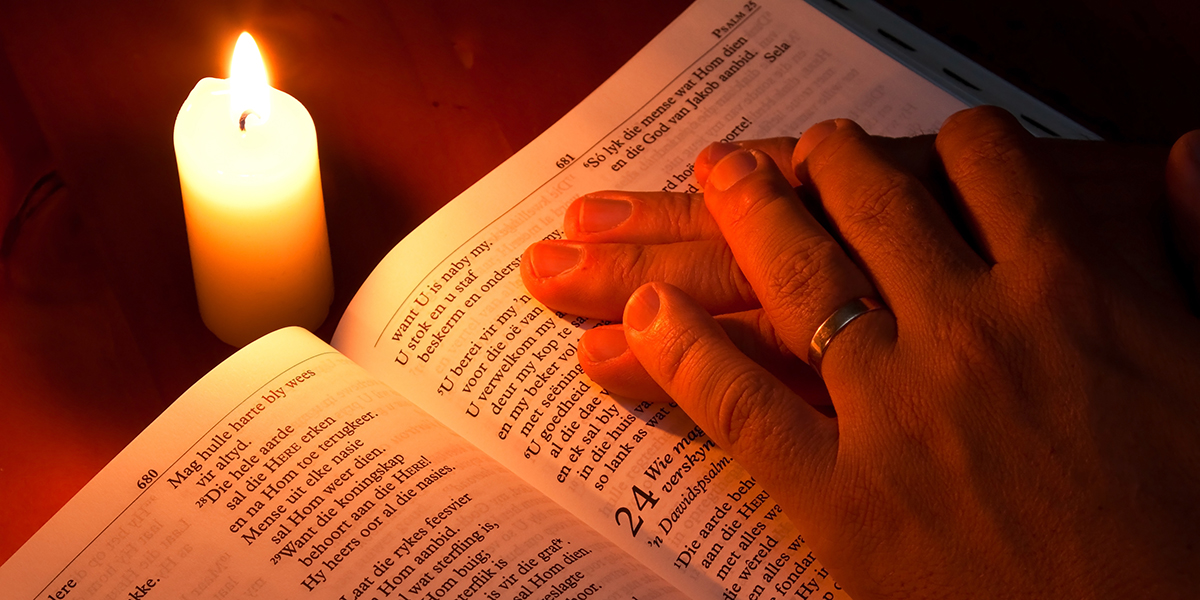
The Electoral Commission of Zambia (ECZ) has received a request from the United Party for National Development (UPND) to stop a candlelight church service planned by the Archdiocese of Lusaka ahead of this year's election. The request is part of a broader effort by the UPND to influence the electoral process through religious gatherings. However, Constitutional lawyer Tresford Chali has urged the ECZ to reject the request, citing potential electoral law challenges and compliance exposures related to political activities during elections.
Legal Context
The Electoral Commission of Zambia (ECZ) is responsible for ensuring that all electoral activities comply with the laws governing elections in Zambia. The ECZ has a duty to ensure that no activity interferes with the free and fair conduct of elections. In this case, the UPND's request to stop the candlelight church service raises questions about the limits of political interference in religious gatherings during election periods. Constitutional lawyer Tresford Chali's letter to the Chief Electoral Officer highlights the potential for electoral law challenges and compliance exposures if the ECZ were to grant the UPND's request.
Why It Matters
This case may set a precedent for future disputes over political activities during elections. The outcome of this case will have significant implications for the conduct of elections in Zambia and the role of religious gatherings in the electoral process. Lawyers should watch closely as this case unfolds, as it has the potential to clarify the boundaries between politics and religion during election periods.
Practical Implications
Lawyers should watch for potential electoral law challenges and compliance exposures related to political activities during elections, as this case may set a precedent for future disputes.
Source
How does this affect you?
Get an AI analysis of this article grounded in your jurisdictions, practice areas, and any policy documents you've uploaded to Wansom.
Wansom is AI and can make mistakes.