
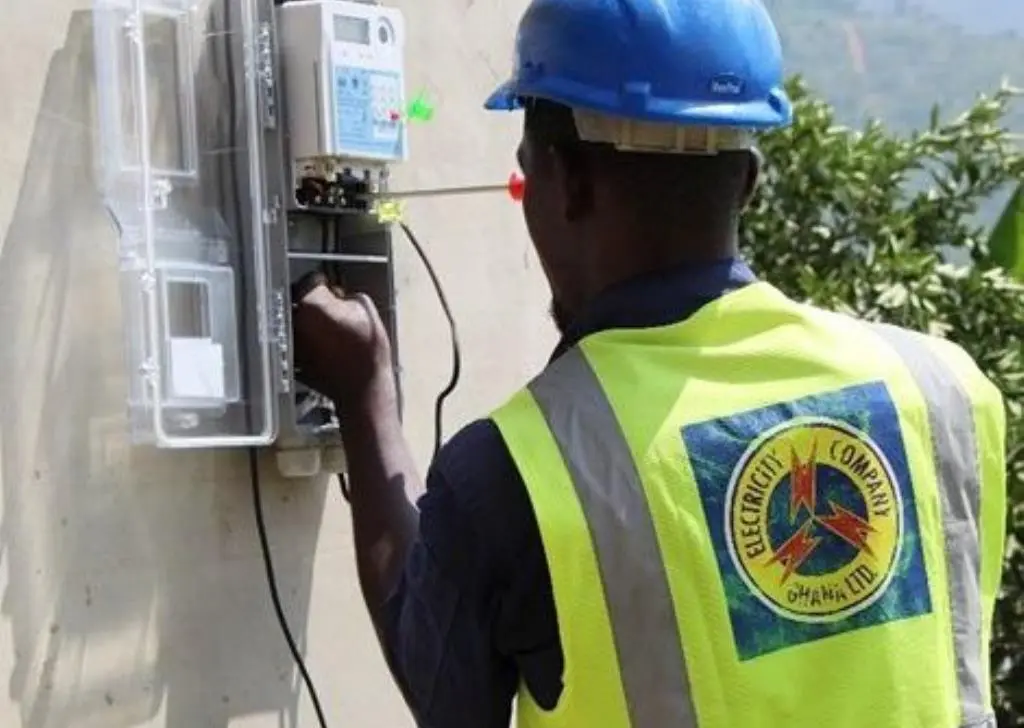
ECG Ghana: Consumer Fraud Alert On Fake Meter MoMo Scam
Summary
- Fraudsters are targeting Electricity Company of Ghana (ECG) customers nationwide with scams involving fake meter sales and fraudulent mobile money payment requests.
- ECG warns that all payments must be made through the official ECG Power App or shortcode *226#, as funds sent to private mobile money numbers will not be credited.
- Scammers impersonate ECG staff to offer unauthorized meters or demand immediate payment for services, often using urgency to prevent verification.
- Purchasing meters from unofficial sources can lead to receiving unregistered devices, which ECG considers an illegal connection.
- Customers are advised to verify all requests, never send money to personal mobile money accounts, and report suspicious activity to ECG and the police.
Widespread Utility Payment Fraud Targets Ghanaian Consumers
Scammers often succeed by creating a false sense of urgency, pressuring individuals to make immediate payments before they have an opportunity to verify the legitimacy of the request.
Ghanaian electricity consumers are currently facing a significant threat from sophisticated fraud schemes involving fake meter sales and deceptive mobile money payment requests. The Electricity Company of Ghana (ECG) has issued a nationwide alert, urging the public to cease all payments to private mobile money (MoMo) numbers, as these transactions do not reach the utility provider and will not be credited to customer accounts. This warning comes amidst a surge in incidents where fraudsters impersonate ECG personnel to illicitly obtain funds from unsuspecting individuals.
Dr. Charles Nii Ayiku Ayiku, who serves as the General Manager for External Communications at ECG, highlighted the pervasive nature of these scams during a recent interview. He detailed two primary methods employed by criminals. The first involves the fraudulent sale of electricity meters, where individuals falsely claim affiliation with ECG to offer new meters for a fee, often promising rapid installation. These deceptive offers are frequently advertised on social media platforms, including TikTok, and through messaging apps like WhatsApp.
The second prevalent scam begins with an unsolicited phone call. Callers, posing as ECG staff, inform customers that their meter is ready for collection or activation, then immediately demand payment into a personal MoMo account. Both schemes exploit consumers' need for electricity services and their trust in official communications, leading to financial losses and, in some cases, severe legal repercussions for the victims themselves. This widespread **ECG Ghana fake meter MoMo scam** underscores a critical **Ghana consumer fraud alert** for utility users.
Official Channels and Legal Ramifications
The Electricity Company of Ghana maintains a strictly cashless operational model, meaning all legitimate payments for services and power must be processed exclusively through designated official channels. Dr. Ayiku explicitly stated that the only authorized methods for payment are the official ECG Power App or the shortcode *226#. Any funds transferred to a personal mobile money number, regardless of the caller's claims, will not be recognized by the company and will fail to reflect on the customer's billing statement. This strict policy is a cornerstone of the company's efforts to combat **Electricity Company of Ghana fraud**.
Regarding meter acquisition, ECG has clarified that it does not engage individuals for the sale of meters. Customers seeking a new meter or service connection are required to apply through official channels, which include visiting ECG district offices or utilizing the ECG Power App. All approved fees associated with these services must also be paid solely through the ECG Power App. A particularly dangerous aspect of the fake meter scam is that customers who purchase meters from unauthorized individuals risk receiving unregistered devices. The installation of an unregistered meter is considered an **illegal electricity meter Ghana** connection by ECG, a serious offense that can lead to penalties for the customer, despite their unwitting participation in a scam.
ECG personnel are strictly prohibited from requesting payments into personal mobile money wallets. Therefore, any such request received via phone call should be immediately identified as a fraudulent attempt. The utility provider emphasizes that its staff will never solicit direct payments to individual accounts, reinforcing the importance of adhering to the established **ECG Power App official payments** system to avoid falling victim to **Ghana mobile money scams**.
Understanding Scammer Tactics and Consumer Protection
Scammers often succeed by creating a false sense of urgency, pressuring individuals to make immediate payments before they have an opportunity to verify the legitimacy of the request. Dr. Ayiku urged customers to resist this pressure, emphasizing the critical importance of taking sufficient time to thoroughly verify every payment demand or service offer. This proactive approach is essential for safeguarding personal finances and avoiding complicity in illegal activities.
To protect themselves from these pervasive fraud attempts, customers are advised to adopt several key habits. Firstly, under no circumstances should money be sent to a mobile money number provided by an unsolicited caller, even if the caller purports to be an ECG employee. Secondly, the purchase of electricity meters should be strictly limited to official ECG channels; customers should never acquire meters from individuals, online advertisements, or WhatsApp contacts. All power purchases and bill payments must be conducted exclusively through the ECG Power App or by dialing *226#.
Furthermore, individuals must maintain the confidentiality of their personal identification numbers (PINs), passwords, and any verification codes. When an individual claiming to represent ECG visits a home or business, customers are encouraged to demand to see an official staff identification card. If a phone call raises any suspicion, the recommended course of action is to terminate the call immediately and report the suspicious number to both ECG and the local police authorities. By adhering to these guidelines, consumers can significantly reduce their vulnerability to fraud and ensure their transactions are legitimate.
Practical Implications
Lawyers should advise clients, both individuals and businesses, on the heightened risk of utility payment fraud in Ghana, emphasizing the importance of using official payment channels to avoid financial loss and potential accusations of illegal connections. Compliance officers in related sectors should review internal fraud prevention and customer communication protocols.
Source
How does this affect you?
Get an AI analysis of this article grounded in your jurisdictions, practice areas, and any policy documents you've uploaded to Wansom.
Finish Reading the Full Story and the Expert Analysis.
Get the latest legal & regulatory intelligence in Ghana
Wansom is AI and can make mistakes.