
EACC Outlines Action Plan to Promote Integrity Ahead of 2027 Elections
What Happened
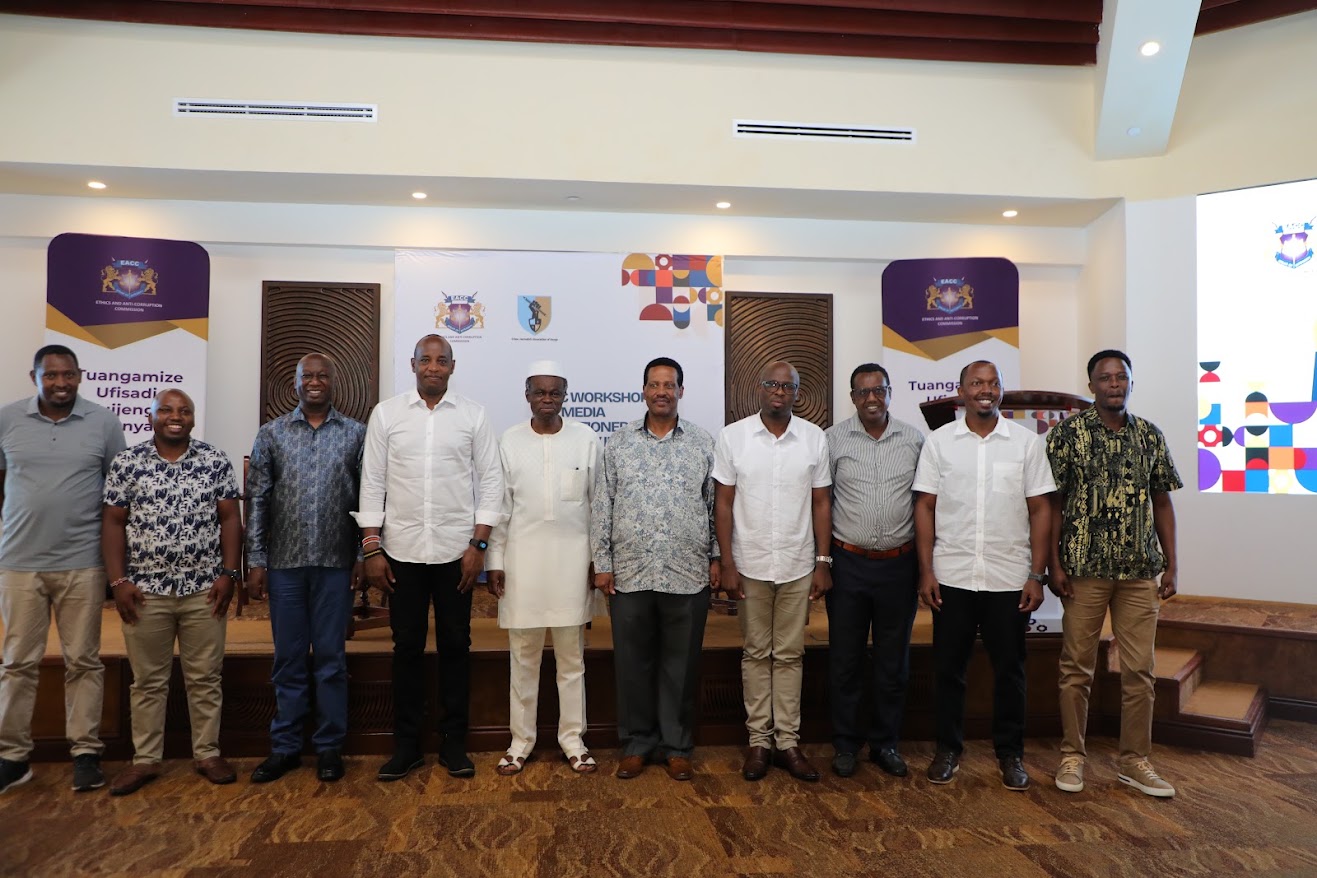
As the country prepares for the August 2027 General Election, the Ethics and Anti-Corruption Commission (EACC) has outlined a raft of measures to safeguard the integrity of the electoral process. A key priority is the verification and vetting of candidates to ensure that those who do not meet the constitutional integrity threshold are disqualified from contesting elective positions by the Independent Electoral and Boundaries Commission (IEBC). The Commission also seeks to change citizens’ attitudes towards apathy and tolerance of misconduct by empowering voters to make informed choices at the ballot. This will be achieved through the rollout of a National Integrity Awareness Campaign on electoral integrity and compliance, with a special focus on young people, beginning in December 2026. The campaign comes amid growing demand for accountability among youth, civil society and the media. Speaking during a media practitioners workshop on leadership and integrity, EACC Western Kenya Regional Manager Eric Ngumbi said the Commission would establish reporting desks to receive and act on integrity-related complaints before, during and after the elections. In a presentation on the enforcement of integrity standards for public office in Kenya, Ngumbi said the action plan would also involve engaging political parties, aspirants, public institutions and other stakeholders on integrity compliance. The Commission will further issue advisories on emerging integrity risks and participate in relevant litigation, including presenting evidence in election petitions where necessary. Meanwhile, the Commission highlighted constitutional and legal challenges that hinder the enforcement of integrity standards. Articles 99(3) and 193(3) of the Constitution were faulted for providing an exception to disqualification where an individual has not exhausted all avenues of appeal or review against a decision affecting their eligibility. According to Ngumbi, the provisions have become a major obstacle to enforcing ethical and integrity requirements for candidates. He called for legislative reforms to address the existing gaps and ambiguities, noting that individuals whose suitability is questionable remain eligible for clearance as long as they demonstrate that an appeal or review is pending. “Candidates with active corruption cases in court and under investigation are cleared to contest elections. Public appointments and elections must reflect constitutional standards on integrity. Leaders must be accountable for their conduct and use of public authority,” he said. The concerns come against the backdrop of revelations that 328 individuals with outstanding integrity issues were flagged by EACC during the 2017 and 2022 General Elections, but only five were barred from contesting by IEBC. The gaps are also being exploited to allow public officials found culpable of integrity violations to remain in office while their appeals are pending determination. To address these hindrances, EACC has proposed reforms, including making its recommendations on the integrity and suitability of persons seeking public appointments binding and ensuring the timely determination of integrity-related cases by the courts. Other proposals include establishing clear legal procedures and timelines for the integrity verification of candidates, as well as enhancing vigilance and oversight role of relevant agencies to safeguard public resources during the election period. The commission, which urged the media to sustain public accountability scrutiny and enhance public education, called for stronger collaboration among accountability institutions and non-state actors.
Source
Source: Original reporting via KBC Kenya
How does this affect you?
Get an AI analysis of this article grounded in your jurisdictions, practice areas, and any policy documents you've uploaded to Wansom.
Finish Reading the Full Story and the Expert Analysis.
Get the latest legal & regulatory intelligence in Kenya
Wansom is AI and can make mistakes.