
Dr Tandoh: Ghana Constitutional Review Discussions Need Open Approach
Summary
- Dr. Kwabena Bempah Tandoh urged the Ghanaian government to keep constitutional review discussions open to ensure broad public acceptance.
- He emphasized that citizens and stakeholders must have sufficient opportunities to contribute and feel their views are considered for the process to be legitimate.
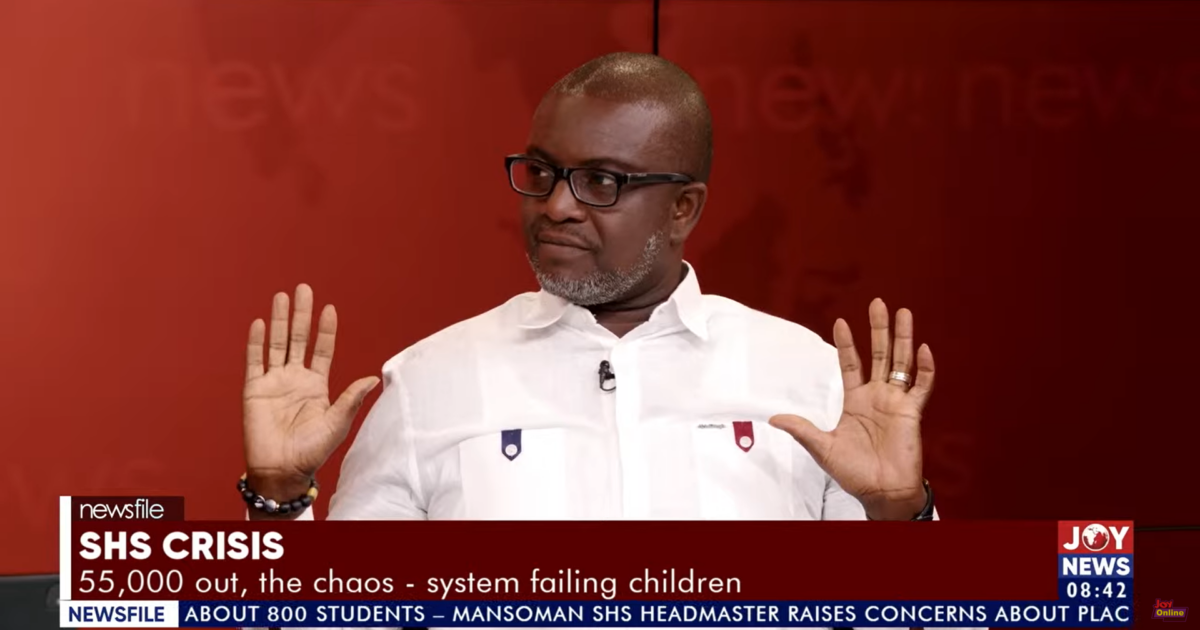
- Tandoh, a former Deputy Director-General of GES and NPP Policy Committee Education spokesperson, made these remarks on JoyNews’ Newsfile on September 12.
- He stressed that extensive consultations are necessary for the wider population to take ownership of what he termed a 'significant national exercise'.
- His comments are set against a broader Ghana governance debate, including government rejection of SOE politicization figures and IMF concerns about political influence in state entities.
Call for Open Constitutional Review Discussions
Ensuring that citizens feel heard would be critical to securing the broad public participation and legitimacy needed for what he described as a significant national exercise.
Dr. Kwabena Bempah Tandoh, a prominent figure who previously served as the Deputy Director-General of the Ghana Education Service (GES) and currently acts as spokesperson for the New Patriotic Party (NPP) Policy Committee on Education, has urged the Ghanaian government to maintain an open and inclusive approach to its ongoing constitutional review process. Speaking on JoyNews’ Newsfile on Saturday, September 12, he emphasized that the success and legitimacy of any Dr Tandoh Ghana constitutional review discussions hinge on broad public engagement.
Dr. Tandoh articulated that for the constitutional review exercise to achieve widespread public acceptance, it is imperative that citizens and various stakeholders are afforded ample opportunities to contribute meaningfully. He stressed the importance of ensuring that their perspectives are genuinely considered throughout the process. He further cautioned against treating the review as a foregone conclusion, advocating instead for continuous, extensive dialogue.
Ensuring Public Ownership and Legitimacy
The former GES Deputy Director-General highlighted that securing the wider population's ownership of the constitutional reform process necessitates extensive consultations. He argued that citizens would be more inclined to engage with and support the initiative if they were convinced that their concerns were being actively heard and addressed. This approach, he contended, is essential for fostering genuine public participation constitutional review, extending beyond the involvement of only political actors and government institutions.
Dr. Tandoh underscored that an open consultation process is crucial for allowing stakeholders to thoroughly scrutinize proposed constitutional changes, voice their concerns, and offer alternative ideas before any reforms are finalized. He described the constitutional review as a significant national exercise, asserting that ensuring citizens feel heard is paramount to achieving the broad public participation and legitimacy required for its successful implementation. He stressed the government's serious responsibility to keep the door open on such critical matters.
Broader Governance Context in Ghana
Dr. Tandoh's comments arrive amidst a broader Ghana governance debate concerning political influence within the nation's public institutions. This discussion has seen the government refute a reported figure suggesting that 54 percent of State-Owned Enterprises (SOEs) are politicized. Simultaneously, the International Monetary Fund (IMF) has also raised its own concerns regarding the extent of political influence in the management of these entities.
In this environment, Dr. Tandoh's advocacy for transparency and public involvement in Ghana constitutional reform takes on added significance. He maintained that an open and consultative process is vital not only for the integrity of the constitutional review itself but also for reinforcing public trust in governance, particularly given the ongoing scrutiny of political influence in key national sectors.
Practical Implications
Lawyers and compliance officers should closely monitor the ongoing constitutional review process in Ghana for opportunities to engage in public consultations. The emphasis on open discussions and broad public acceptance suggests that any future constitutional reforms will be heavily scrutinised for their legitimacy, requiring legal professionals to advise clients on the importance of stakeholder participation and to prepare for potential legal shifts arising from the process.
Source
How does this affect you?
Get an AI analysis of this article grounded in your jurisdictions, practice areas, and any policy documents you've uploaded to Wansom.
Finish Reading the Full Story and the Expert Analysis.
Wansom is AI and can make mistakes.