
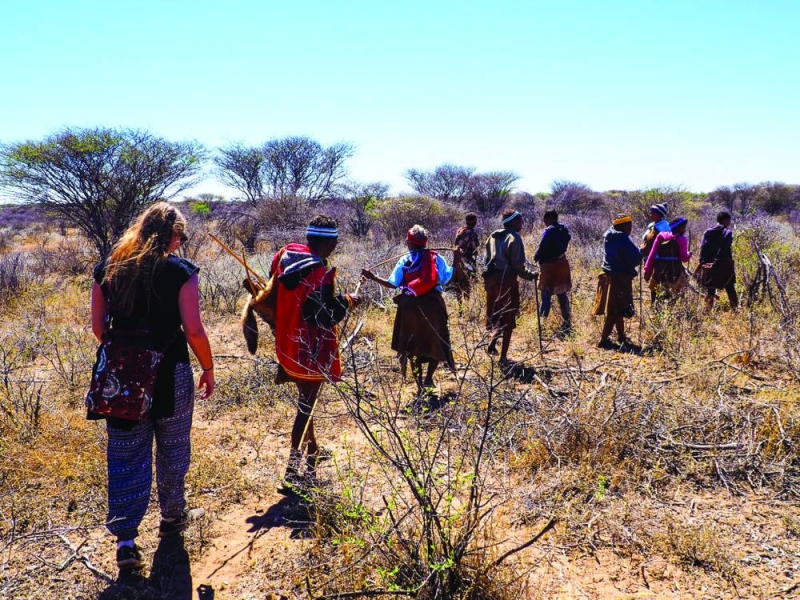
Dqae Qare Game Farm: Tensions Subside Over Wildlife Capture Plans
Summary
- Reports of planned wildlife capture at the community-owned Dqae Qare Game Farm near Gantsi caused significant local tension.
- The Dqae Qare Game Farm is a community-owned property, making decisions about its resources particularly sensitive.
- Tensions surrounding the proposed Dqae Qare Game Farm wildlife capture plans have since been calmed.
- The Gantsi District Council is implicitly involved in the broader context of wildlife management in the area.
What Happened
Disputes arising from wildlife capture plans on community-owned land, such as those observed at Dqae Qare, underscore the ongoing legal complexities surrounding wildlife management and community land rights in Botswana.
The Dqae Qare Game Farm, a property situated in the vicinity of Gantsi, recently became the focal point of considerable local unease. This community-owned enterprise, which plays a vital role in the region, faced a period of heightened tension following the emergence of reports detailing proposed plans for the capture of wildlife within its boundaries. Such initiatives, particularly on land managed directly by a community, often spark intense debate and concern among stakeholders. The prospect of these Dqae Qare Game Farm wildlife capture plans quickly led to a noticeable increase in local apprehension.
However, recent developments indicate a positive shift, with reports confirming that the previously escalating tensions have since subsided. While the specifics of how this calming effect was achieved are not detailed, the resolution of such disputes on community-owned land is often a complex process involving various local and governmental entities. The initial reports of planned wildlife capture had created a challenging environment, underscoring the delicate balance required in managing natural resources on properties with direct community oversight.
Legal and Community Context
The situation at Dqae Qare highlights the unique governance structures and inherent complexities associated with community-owned game farms in Botswana. These properties are not merely tracts of land but represent significant communal assets, often tied to the livelihoods and cultural heritage of local populations. The management of wildlife within these areas, therefore, falls under a specific legal and administrative framework designed to balance conservation goals with community development and resource utilization. The Gantsi District Council, as a local authority, typically plays a role in overseeing such matters, including aspects of wildlife management and land use planning within its jurisdiction.
Decisions regarding resource exploitation, such as the Dqae Qare Game Farm wildlife capture plans, are subject to various regulations under Botswana's wildlife conservation law, which now also includes the Community Based Natural Resources Management (CBNRM) Act of 2025, operational since January 2026. These laws aim to ensure sustainable practices and often mandate consultation with affected communities. The involvement of a community-owned game farm introduces an additional layer of complexity, as the community itself holds significant rights and responsibilities over the land and its resources. Any proposed activity, particularly one as impactful as wildlife capture, necessitates careful consideration of these established rights and the potential for broader community impact.
Implications of Wildlife Management Disputes
Disputes arising from wildlife capture plans on community-owned land, such as those observed at Dqae Qare, underscore the ongoing legal complexities surrounding wildlife management and community land rights in Botswana. The core of such tensions often lies in questions of resource control and the equitable distribution of benefits derived from natural assets. When a community collectively owns a game farm, decisions about its wildlife directly affect its members, raising concerns about transparency, consent, and the long-term sustainability of their resources. The prospect of wildlife capture can be viewed through multiple lenses: as a conservation tool, a revenue-generating activity, or a threat to ecological balance and traditional practices.
The involvement of local government bodies, like the Gantsi District Council, in wildlife management decisions on community land further complicates these dynamics. Their role often involves mediating between various interests, ensuring compliance with national wildlife conservation law Botswana, which now includes the Community Based Natural Resources Management (CBNRM) Act of 2025, operational since January 2026, and facilitating community engagement. The specific nature of the Dqae Qare land rights dispute, centered on wildlife capture, exemplifies how critical it is for all parties to navigate these legal and social landscapes with sensitivity and adherence to established protocols. The legal implications of wildlife capture Botswana extend beyond mere permits, touching upon the very fabric of community governance and resource sovereignty.
Resolution and Future Considerations
The reported calming of tensions at Dqae Qare Game Farm, following the controversy over its wildlife capture plans, signals a crucial step towards resolving a potentially divisive issue. While the precise mechanisms that led to this de-escalation remain undisclosed, the outcome underscores the importance of effective dialogue and dispute resolution processes in the context of community-owned resources. Such resolutions are vital not only for maintaining social cohesion within affected communities but also for setting precedents in how similar challenges are addressed across Botswana.
For legal practitioners and stakeholders involved in land and resource management, this development serves as a pertinent reminder of the intricate legal framework governing wildlife and community land rights. It highlights the necessity for robust community consultation processes and clear legal pathways for obtaining permits related to wildlife capture or any form of resource exploitation on community-owned properties. Ensuring that all parties, including local authorities like the Gantsi District Council and the community itself, are aligned with the principles of wildlife conservation law Botswana is paramount to mitigating future disputes and fostering sustainable management practices.
Practical Implications
This development highlights the ongoing legal complexities surrounding wildlife management and community land rights in Botswana, particularly concerning resource exploitation on community-owned properties. Lawyers should advise clients on the legal framework for wildlife capture permits and community consultation processes to mitigate future disputes in similar contexts.
Source
How does this affect you?
Get an AI analysis of this article grounded in your jurisdictions, practice areas, and any policy documents you've uploaded to Wansom.
Wansom is AI and can make mistakes.