
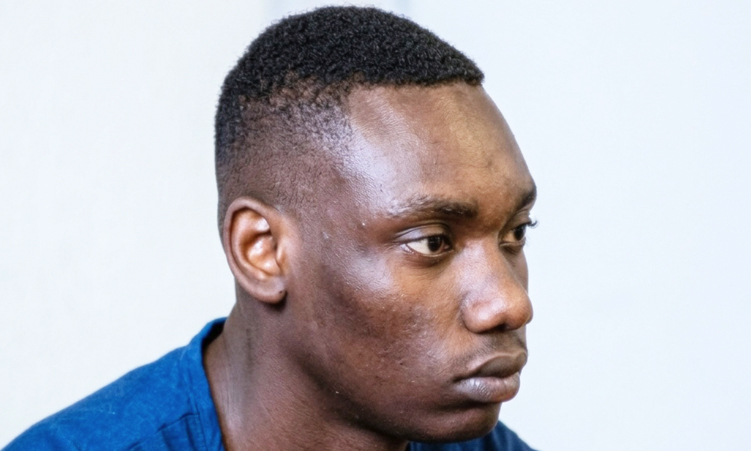
Dorado Murder Accused Admits Presence at Crime Scene
In Namibia, one of the men accused of the March 2024 robbery and murder of a Windhoek resident admitted to a police officer that he was present at the crime scene when the victim was overpowered and items were stolen. This admission was made by Nicodemus Hango to Warrant Officer Matheus Shifugula on March 9, and it represents a significant piece of evidence in the ongoing criminal proceedings related to the death of the Windhoek resident. The excerpt does not report the outcome of the trial or the specific charges, only the admission made to the police.
For legal practitioners, this development underscores the critical importance of police procedure in obtaining statements from accused persons and the stringent rules governing the admissibility of such evidence in Namibian courts. An admission of presence at a crime scene, particularly in a serious case like murder and robbery, can be highly incriminating. However, its admissibility hinges on whether it was made freely and voluntarily, without undue influence, and with the accused fully aware of their constitutional rights, including the right to remain silent and the right to legal representation. These factors are often subject to intense scrutiny during a trial-within-a-trial.
This case falls under the purview of Namibian criminal law, specifically concerning offences such as murder and robbery, which are defined by common law and regulated by the Criminal Procedure Act (e.g., Act 51 of 1977, as amended). The Act dictates the rules of evidence, arrest, detention, and trial procedure. The admissibility of Hango's statement would be rigorously tested against principles related to confessions and admissions, requiring the State to prove beyond a reasonable doubt that all procedural safeguards were observed. Given the gravity of the charges, the matter would be heard in the High Court of Namibia. The key parties involved are Nicodemus Hango (the accused), Warrant Officer Matheus Shifugula (the police officer), the deceased Windhoek resident, the Namibian Police Force, and the Prosecutor-General's office.
Defence attorneys must meticulously investigate the circumstances surrounding the taking of such admissions, including the accused's mental state, understanding of their rights, and the presence or absence of legal counsel. Prosecutors, conversely, will rely on the proper documentation and testimony regarding the admission to strengthen their case. Both sides must be prepared to argue vigorously on the admissibility and weight of this evidence. This case serves as a crucial reminder of the procedural safeguards embedded in the criminal justice system and the high evidentiary bar for admitting potentially incriminating statements. The outcome of this matter is not yet reported.
How does this affect you?
Get an AI analysis of this article grounded in your jurisdictions, practice areas, and any policy documents you've uploaded to Wansom.
Finish Reading the Full Story and the Expert Analysis.
Get the latest legal & regulatory intelligence in Namibia
Wansom is AI and can make mistakes.