
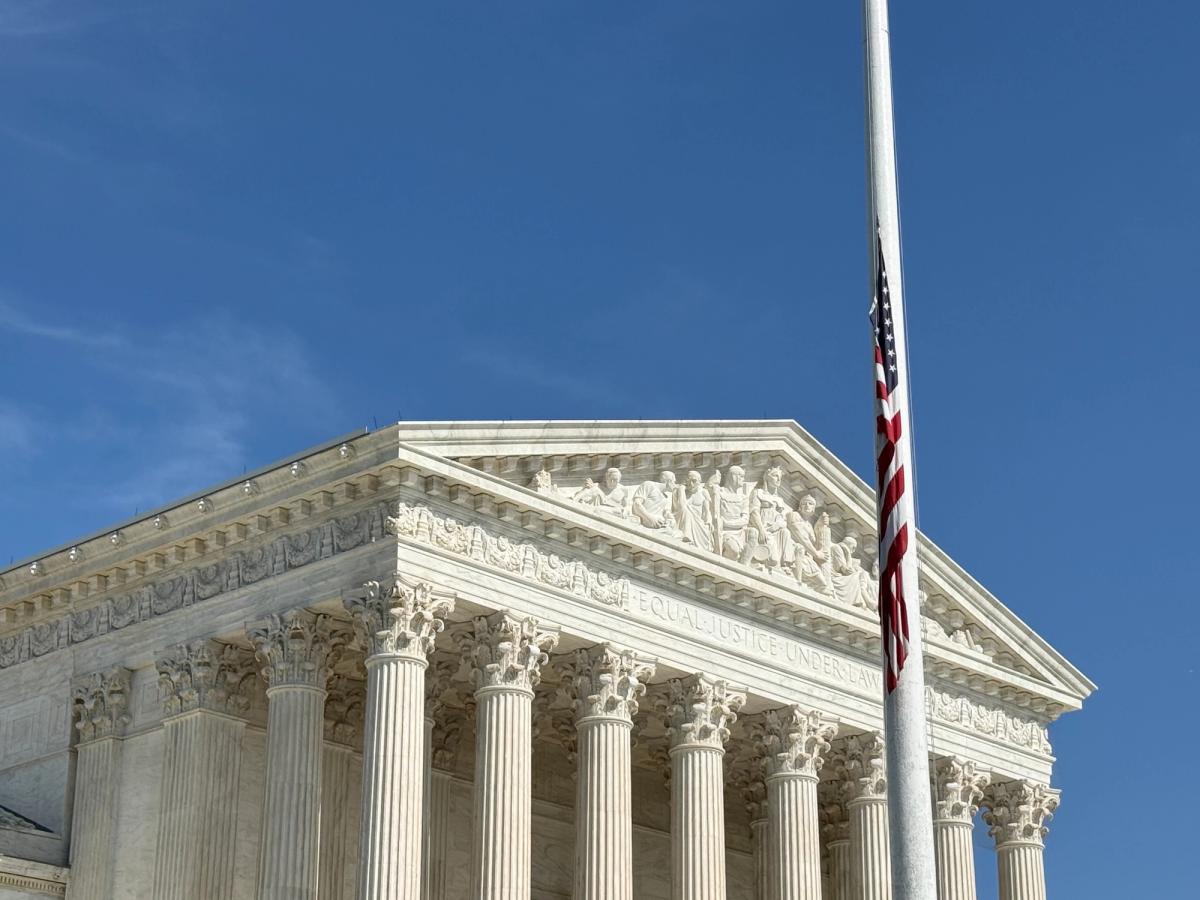
US Supreme Court: DOL v Sun Valley Orchards H-2A Case Challenges ALJ Fines
Summary
- The Supreme Court will hear arguments in Department of Labor v. Sun Valley Orchards, LLC, concerning the H-2A visa program.
- The case questions whether Department of Labor administrative law judges can impose substantial fines on employers for H-2A contract violations.
- An amicus brief argues that Sun Valley Orchards is entitled to a Seventh Amendment civil jury trial and an Article III federal court hearing.
- The challenge contends that the government's right to control immigration does not permit it to bypass an employer's constitutional rights.
- The outcome could significantly impact the Department of Labor's enforcement powers and the H-2A visa program challenges.
Key Legal Challenge to DOL Authority
The argument posits that allowing an administrative law judge to deprive Sun Valley of property through these fines, particularly for alleged contract violations related to H-2A labor laws, infringes upon the company's constitutional rights.
A significant legal battle is unfolding concerning the Department of Labor's enforcement powers under the H-2A visa program, specifically challenging the authority of its administrative law judges (ALJs). The U.S. Supreme Court is scheduled to hear arguments on Tuesday, November 10, in the case of Department of Labor v. Sun Valley Orchards, LLC. This case centers on whether ALJs, operating under Article II of the Constitution, possess the power to levy substantial financial penalties against employers accused of breaching their contractual obligations to temporary foreign agricultural workers participating in the H-2A visa program.
The core dispute revolves around the extent to which the Department of Labor can impose what have been described as "ruinous fines" on employers for alleged violations of labor laws tied to these employment contracts. The outcome of this case could significantly redefine the scope of administrative adjudication, particularly in areas involving the H-2A visa program challenges and the imposition of DOL fines. It raises fundamental questions about the balance between administrative efficiency and constitutional rights, particularly the right to a jury trial.
Constitutional Rights at Stake
Central to the arguments presented in Department of Labor v. Sun Valley Orchards LLC is the assertion that employers facing such penalties are entitled to specific constitutional protections. An amicus brief, filed in early August of this year, supports Sun Valley Orchards' position, contending that the company should have the right to a Seventh Amendment civil jury trial. This brief, prepared by Amit Vora, Chair of Kasowitz LLP's Appellate & Constitutional Litigation practice group, was co-signed by notable legal figures including former Attorneys General Edwin Meese III and Michael Mukasey, along with law professor Gary Lawson and the author of the source material.
Beyond the right to a jury, the amicus brief also argues for the necessity of an Article III federal court review for these claims. This position directly challenges the current system where DOL ALJs, who are not Article III judges, can make determinations that result in significant financial liabilities. The argument posits that allowing an administrative law judge to deprive Sun Valley of property through these fines, particularly for alleged contract violations related to H-2A labor laws, infringes upon the company's constitutional rights.
Immigration Control vs. Due Process
While acknowledging the government's inherent sovereign right to regulate immigration into the United States, including through programs like the H-2A visa program, the legal challenge asserts that this right does not supersede an employer's constitutional protections. The government, represented by Solicitor General D. John Sauer in its opening and reply briefs, maintains its authority to enforce the H-2A program's conditions.
However, the counter-argument, strongly supported by the amicus brief and its signatories, is that the government cannot condition the admission of foreign workers under the H-2A program on an employer's surrender of its constitutional rights. This perspective suggests that while the government can set terms for immigration, it cannot bypass the Seventh Amendment right to a jury trial or the requirement for an Article III federal court for certain disputes arising from those terms. The case thus delves into the complex interplay between federal regulatory power, the public rights doctrine, and fundamental due process guarantees, with potential far-reaching implications for DOL enforcement actions.
Practical Implications
This case could significantly alter the Department of Labor's enforcement powers under the H-2A visa program, potentially requiring employers to be afforded a Seventh Amendment jury trial or Article III federal court review for certain violations. Lawyers advising agricultural employers or those utilizing H-2A workers should monitor this case closely for changes in compliance risk and defense strategies against DOL administrative actions and fines.
Source
How does this affect you?
Get an AI analysis of this article grounded in your jurisdictions, practice areas, and any policy documents you've uploaded to Wansom.
Wansom is AI and can make mistakes.