
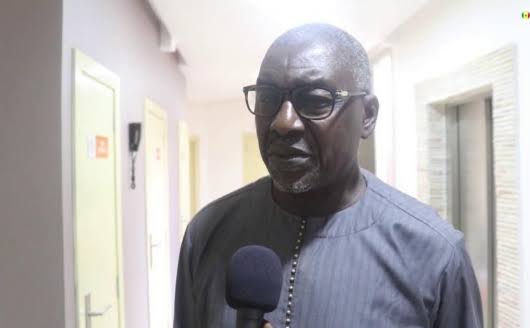
Djibril Gningue Critique Parlement Executif Tensions Senegal
Summary
- Djibril Gningue, an electoral expert, criticized the parliamentary activity in Senegal on a radio show.
- He urged parliamentarians to reassess their approach to avoid a prolonged confrontation with the executive branch.
- Gningue emphasized the need for prior consultation and coordination between institutions to prevent new tensions.
- The expert linked power struggles to Senegal's debt and political divergences, describing the situation as a 'crisis of low intensity'.
What Happened
He believes that the desired rupture with the past cannot be achieved without adopting a new fundamental text.
Djibril Gningue, a renowned electoral expert in Senegal, recently appeared on the radio show 'En Vérité' on Radio Sénégal. During his interview, he commended the mobilization of parliamentarians but urged them to reassess their approach to avoid a prolonged confrontation with the executive branch. According to Gningue, legislative reforms should be grounded in laws, and their development necessitates prior consultation. He warned that uncoordinated initiatives could create new tensions between institutions, given the current institutional configuration.
Gningue's analysis of Senegal's third republic is part of his broader assessment of the country's institutional framework, which was established by the 1963 Constitution. He believes that the desired rupture with the past cannot be achieved without adopting a new fundamental text. The expert also linked the power struggles to Senegal's debt and political divergences.
Legal Context
Senegal operates under a presidential regime, characterized by a strong central position held by the president of the Republic. This setup can limit Parliament's ability to act independently. Gningue's critique highlights the need for greater dialogue and consultation between institutions, which is essential for effective governance. The expert's remarks have sparked debate about the balance of power between the executive and legislative branches in Senegal. As a result, lawyers are closely watching the situation, as it may lead to changes in legislative reforms or a re-evaluation of the current Constitution (2001, as amended).
Why It Matters
Gningue's critique has significant implications for Senegal's political landscape. The expert's call for greater dialogue and consultation between institutions is timely, given the country's current institutional challenges. If left unaddressed, these issues could exacerbate existing tensions and undermine the effectiveness of governance. As such, Gningue's analysis serves as a reminder of the importance of balancing power between the executive and legislative branches in Senegal. This balance is crucial for ensuring that institutions work together to address the country's pressing challenges.
Practical Implications
Lawyers should watch for potential implications of Djibril Gningue's critique on the balance of power between the Executive and Parliament in Senegal, which may lead to changes in legislative reforms or a re-evaluation of the Constitution of 1963.
Source
How does this affect you?
Get an AI analysis of this article grounded in your jurisdictions, practice areas, and any policy documents you've uploaded to Wansom.
Finish Reading the Full Story and the Expert Analysis.
Get the latest legal & regulatory intelligence in Senegal
Wansom is AI and can make mistakes.