
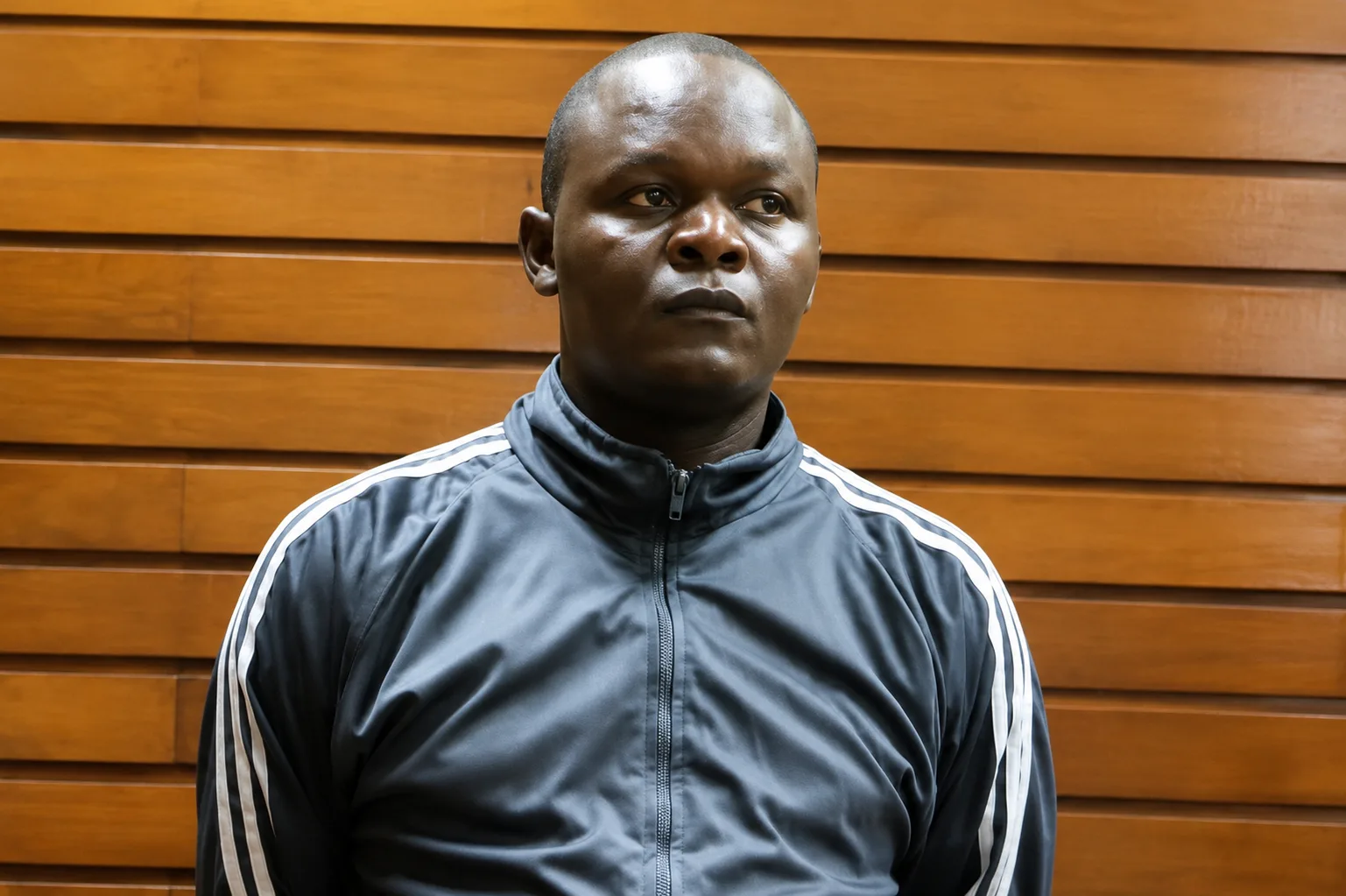
Kenya Court: Dias Juma Wabwile Rape Acquittal in Pandya Hospital Case
Summary
- Former clinical officer Dias Juma Wabwile was acquitted of rape and indecent assault charges by a Mombasa court.
- The court ruled the prosecution failed to prove the case beyond reasonable doubt, despite strong suspicion against the accused.
- A used condom with Wabwile's DNA was central to the case, but he claimed it was from consensual sex with his wife before work.
- The complainant died before testifying, and investigators failed to obtain a DNA sample from Wabwile's wife to corroborate his alibi.
- The ruling underscored Kenya's high evidentiary standard for circumstantial evidence, requiring the exclusion of all reasonable explanations consistent with innocence, as per the Sawe v Republic precedent.
Mombasa Court Acquits Clinical Officer in Rape Case
Despite acknowledging a 'very strong suspicion' against the accused, the court firmly stated that suspicion, however compelling, cannot form the sole basis for a criminal conviction.
A Mombasa court has acquitted Dias Juma Wabwile, a former clinical officer at Pandya Memorial Hospital, of charges of rape and committing an indecent act with an adult. Chief Magistrate Lucas Onyina ruled that the prosecution failed to establish its case against Mr. Wabwile beyond a reasonable doubt, leading to his exoneration from the serious allegations.
The charges stemmed from an incident alleged to have occurred around 5:00 AM on January 31, 2025, within the Pandya Memorial Hospital in Mvita Sub-County. Mr. Wabwile was accused of unlawfully penetrating a dialysis patient, identified in court documents as M.T.K. The court's decision highlights the stringent evidentiary standards required in Kenyan criminal proceedings, particularly in cases involving sexual offenses under the Sexual Offences Act Kenya.
Evidentiary Challenges and Circumstantial Evidence
A significant challenge for the prosecution was the unfortunate death of the complainant, M.T.K., prior to the commencement of the hearing, which meant she could not provide testimony. While the court acknowledged the adequate explanation for her absence, it underscored the necessity for the prosecution to present robust, independent evidence to substantiate the charges without her direct account.
Central to the prosecution's case was a used condom discovered in a hospital dustbin. Analysis by the Government Chemist confirmed the presence of spermatozoa and generated a male DNA profile that matched Mr. Wabwile's DNA sample. However, Mr. Wabwile offered an alternative explanation, asserting that the condom was his but had been used during consensual sexual activity with his wife at home before he reported for duty, after which he disposed of it at the hospital. His wife, Nancy Gakii, corroborated this account, testifying that they had engaged in sexual intercourse around 3:30 AM that morning, using a condom, before her husband left for work.
Judicial Scrutiny of Evidence and Investigation
Chief Magistrate Onyina expressed skepticism regarding certain aspects of Mr. Wabwile's defense, particularly his claim of wrapping the used condom in tissue paper before transporting it to the hospital, given that it was not found wrapped upon recovery. The court also questioned how the complainant could have known about the discarded condom and subsequently directed nurses to its location. While the judgment suggested a potential breach of professional boundaries in the doctor-patient relationship and acknowledged the patient's vulnerable state on a dialysis machine, implying Mr. Wabwile might have taken advantage, the court firmly categorized this as an inference rather than conclusive proof.
The magistrate emphasized that the absence of consent could not be presumed, stating that if the complainant had survived to testify, she could have clarified whether consent was given. Furthermore, the court criticized investigators for their failure to obtain a DNA sample from Mr. Wabwile's wife. Such a test, the magistrate noted, could have scientifically verified her claim, as her DNA would likely have been present on the outer surface of the used condom if her account were accurate. This omission left a critical gap in the scientific corroboration of the defense's narrative.
The Standard of Proof: Beyond Reasonable Doubt
In evaluating the circumstantial evidence presented, the court referenced the authoritative Court of Appeal decision in `Sawe v Republic`. This precedent mandates that for circumstantial evidence to lead to a conviction, the prosecution must exclude all other reasonable explanations consistent with the accused's innocence. Despite acknowledging a 'very strong suspicion' against the accused, the court firmly stated that suspicion, however compelling, cannot form the sole basis for a criminal conviction.
The court underscored its inability to bridge the evidentiary void left by the complainant's death by speculating on what she might have testified. Chief Magistrate Onyina ruled that the court could not guess the complainant's potential statements and base a finding on such conjecture. Ultimately, the court concluded that the totality of the evidence presented could not safely establish, beyond a reasonable doubt, that Dias Juma Wabwile had unlawfully penetrated the complainant, leading to his Mombasa rape acquittal.
Practical Implications
This case reinforces the high evidentiary standard of 'beyond reasonable doubt' in Kenyan criminal law, particularly concerning circumstantial evidence in sexual offense cases. Lawyers should note the court's emphasis on thorough investigation and the limitations of strong suspicion without conclusive proof, especially when a key witness is unavailable.
Source
How does this affect you?
Get an AI analysis of this article grounded in your jurisdictions, practice areas, and any policy documents you've uploaded to Wansom.
Wansom is AI and can make mistakes.