
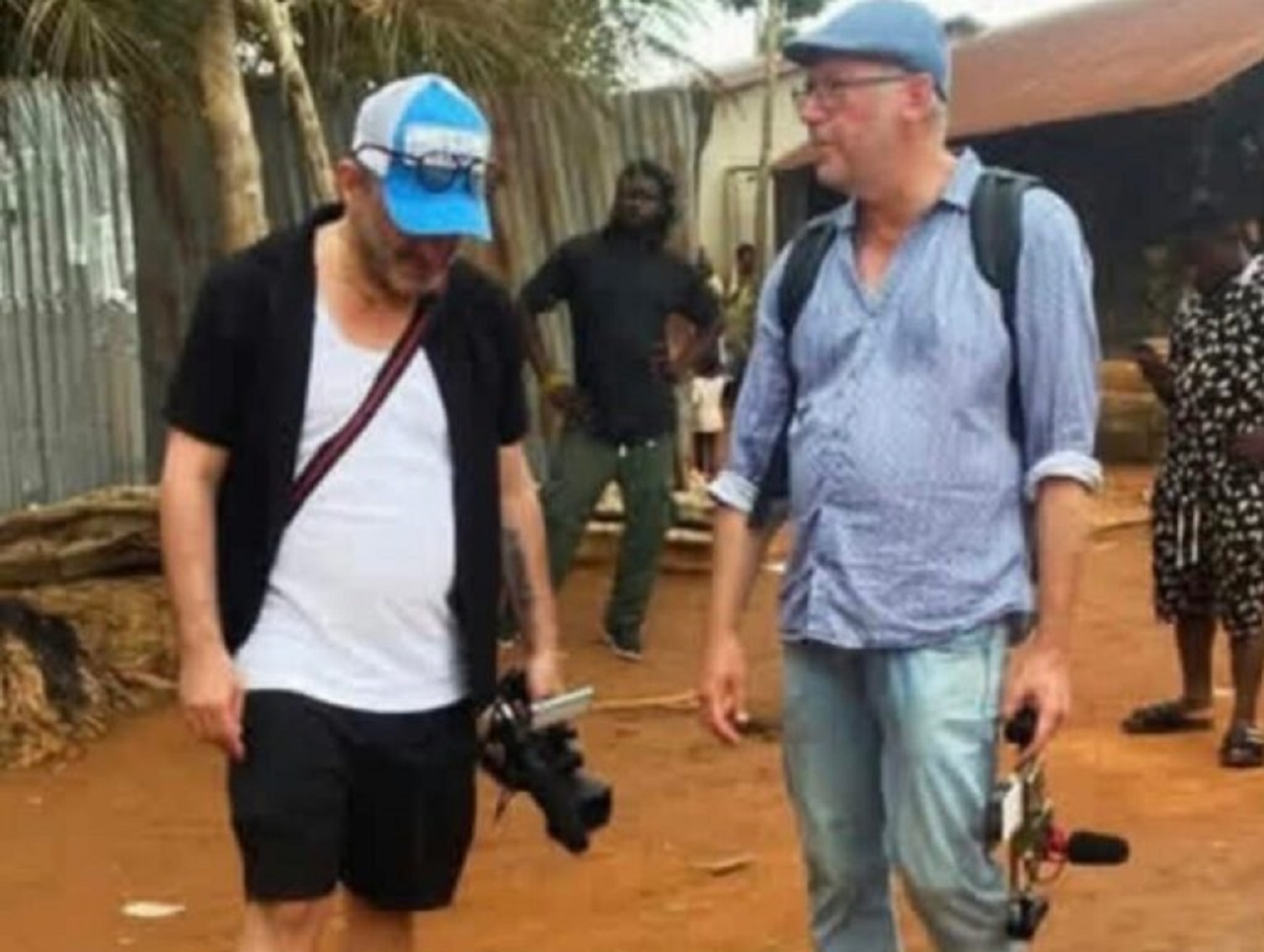
Togo: Detention of French Journalists Mocaer and Pezzani
Summary
- French journalists Gaël Mocaër and Sebastian Perez Pezzani, along with guide Fred Vedomey, have been detained in Togo since July 27, 2026.
- The crew was arrested in northern Togo while filming for the France Télévisions series Les Routes de l'impossible and subsequently held in Lomé.
- State authorities charged the media team with 'activités non autorisées' despite previously allowing them and their filming equipment to cross the border.
- The Patronat de la Presse Togolaise (PPT) and Truth Reporting Post (TRP) issued a joint statement demanding their immediate and unconditional release.
French Journalists and Guide Arrested in Northern Togo
The PPT and TRP argued that executing a procedure against information professionals who were actively engaged in their journalistic duties severely undermines the country's reputation on the international stage.
Two French journalists and their local guide remain in custody in Lomé following their arrest while filming a television documentary in the northern region of Togo. The media professionals, identified as Gaël Mocaër and Sebastian Perez Pezzani, along with Togolese guide Fred Vedomey, were detained on July 27, 2026. The team was conducting field reporting for the documentary series Les Routes de l'impossible, broadcast on France Télévisions, when local authorities halted their work.
Following their initial interception in northern Togo, the three men were transferred to the capital, Lomé, where they have been held ever since. Local media advocacy groups have voiced deep concern over the ongoing detention journalistes francais togo mocaer situation, demanding an immediate end to the proceedings against the reporting crew.
Media Associations Contest 'Unauthorized Activities' Charges
In a joint statement published in Lomé on August 21, 2026, the Patronat de la Presse Togolaise (PPT) and Truth Reporting Post (TRP) formally condemned the detention of the foreign journalists and their local fixers. Signed by PPT President Honoré Kokouda Adontui and TRP General Coordinator Pierre Claver Kuvo, the communique pointed out significant administrative inconsistencies in how the case has been handled by state officials.
The media advocacy groups emphasized that Togolese border and immigration authorities had initially authorized the entry of Gaël Mocaër, Sebastian Perez Pezzani, and their professional recording equipment into the country. Despite granting entry access, authorities later detained the team under the legal classification of 'activités non autorisées'. The PPT and TRP argued that executing a procedure against information professionals who were actively engaged in their journalistic duties severely undermines the country's reputation on the international stage.
Legal Framework and Practical Compliance for Foreign Media Crews
The press advocacy groups stressed that fundamental principles of press freedom prohibit the imprisonment of journalists simply for performing their professional duties. The statement noted that the detention violates rights guaranteed under the domestic constitution of the Togolese Republic as well as international conventions ratified by the state, urging officials to avoid actions that resemble the confiscation of press freedoms.
Under Togo's regulatory environment and droit de la presse Togo rules, this case demonstrates that standard entry visas and equipment customs clearance do not equate to full authorization for field recording. Media lawyers advising international news organizations must confirm that explicit media accreditation (accréditation presse Togo tournage) and specific territorial clearances are secured prior to deployment. Relying solely on immigration entry approvals leaves filming crews vulnerable to criminal charges of unauthorized activities.
Practical Implications
Counsel advising foreign media organizations or production crews operating in Togo must ensure explicit media accreditation and regional reporting clearances are obtained prior to deployment, as valid entry visas and customs clearance for equipment do not shield journalists from criminal charges of 'unauthorized activities'.
Source
How does this affect you?
Get an AI analysis of this article grounded in your jurisdictions, practice areas, and any policy documents you've uploaded to Wansom.
Wansom is AI and can make mistakes.