
Stephan Long: Files Denver Wrongful Prosecution Lawsuit
Summary
- Stephan Long, a Black man, shot and killed two white men in Denver in June 2023, claiming self-defense after being attacked on an I-25 exit ramp.
- Denver police officers allegedly generated a faulty probable cause statement, leading to double murder charges against Long for 14 months, which were later dropped.
- Long filed a civil rights lawsuit in 2025 against the officers and the City and County of Denver, alleging racial selective prosecution and a double-standard against Black men.
- The defendant officers are seeking dismissal based on qualified immunity, while Long's attorney argues the initial investigation's framing was flawed.
- A U.S. District Judge questioned whether the lawsuit should target the District Attorney's Office, which has absolute immunity, rather than the officers.
Incident and Subsequent Charges
Long asserts that the Denver Police Department applied a "double-standard" to Black men who defend themselves from attack in Denver, leading to the murder charges against him for the deaths of the two white men.
On June 13, 2023, Stephan Long, a 25-year-old Black man, was driving on I-25 in Denver with his wife, newborn, and toddler in a vehicle trailing behind him when a roadside incident escalated into a fatal confrontation. After being cut off on an exit ramp, Long reported that a man wearing black gloves blocked his vehicle and attacked him through his car window. Fearing for his life and the safety of his family, Long shot and killed this assailant.
Immediately following the initial shooting, a second individual, also wearing black gloves, attempted to pull Long from his car by reaching for his keys and door handle as Long tried to drive away. Long then shot this second assailant. Both men, identified as Blake Lucas, 21, and his 22-year-old brother Damon Lucas, who were white, died from gunshot wounds. Denver Police officers investigated the incident as road rage and took Long into custody for questioning.
Long alleges that during his questioning, Officer Daniel Meadows and Detective Adam Lucero did not fully inform him of his Miranda rights. He further claims that these officers subsequently generated a faulty probable cause statement, which led the Second Judicial District Attorney’s Office to pursue double murder charges against him. Despite Long's consistent assertion of self-defense, these charges remained active for 14 months until they were ultimately dropped under pressure from the Denver City Council.
Civil Rights Lawsuit Filed
In 2025, Stephan Long initiated a civil rights claim, filing a lawsuit against Officer Daniel Meadows, Detective Adam Lucero, and the City and County of Denver. The core of Long's lawsuit is an allegation of racial selective prosecution, contending that he was targeted due to his race. He asserts that the Denver Police Department applied a "double-standard" to Black men who defend themselves from attack in Denver, leading to the murder charges against him for the deaths of the two white men.
Long's attorney, Zachary Warren of Highlands Law in Denver, argued that the prosecution stemmed from a faulty probable cause report. This report, according to Warren, omitted crucial details that would have supported Long's self-defense narrative, such as the presence of Long's children in a car directly behind him and the fact that the assailant had yelled at Long's wife's car before initiating the attack. This `Stephan Long civil rights claim` seeks to challenge the actions of law enforcement and the prosecution in his case.
Judicial Scrutiny and Qualified Immunity Defense
During a recent hearing, the officers involved, represented by attorneys DJ Goldfarb for Meadows and Bernard Woessner for Lucero, sought to dismiss the `Stephan Long Denver wrongful prosecution lawsuit` by invoking qualified immunity. Goldfarb, representing Meadows, argued that the court must consider only the facts available to the officers at the time of the incident when assessing whether there was a substantial likelihood that a crime had been committed, rather than hindsight.
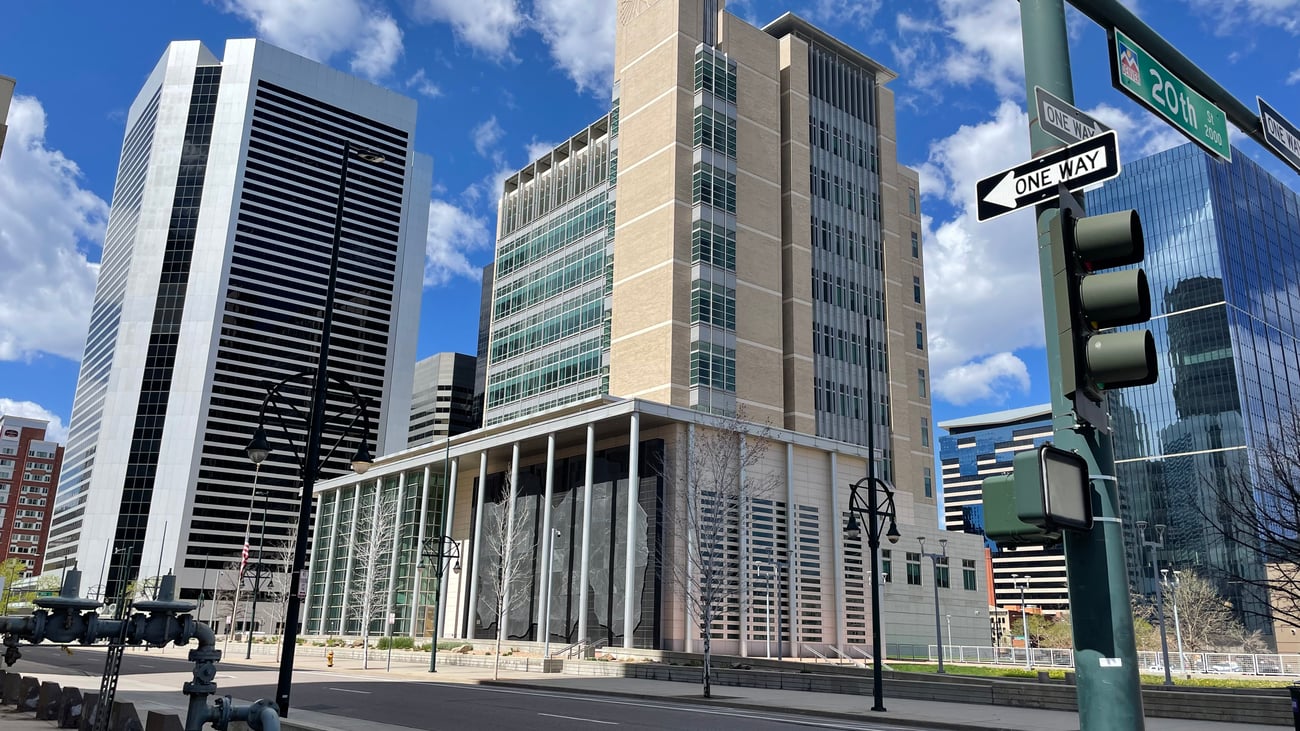
Chief U.S. District Judge Daniel Domenico, a Donald Trump appointee presiding over the case in the Alfred Arraj U.S. Courthouse, questioned the plaintiff's legal strategy. Judge Domenico acknowledged that while there was probable cause for a crime given that Long shot and killed individuals, he also noted that "at some point in the investigation it becomes clear there is no probable cause." However, he expressed skepticism about suing the officers, suggesting that Long's complaint might be more appropriately directed at the District Attorney’s Office, which possesses absolute immunity. The judge remarked, "It feels a bit to me like you’re trying to find a way to sue the people who don’t have absolute immunity, when really your complaint is against the people who do."
Warren countered that the initial framing of the investigation by the officers was central to the subsequent wrongful prosecution. This `Denver self-defense shooting lawsuit` highlights the complexities of challenging police conduct, particularly when `qualified immunity police Denver` is asserted as a defense against claims of `faulty probable cause police report` and `racial selective prosecution Colorado`.
Practical Implications
This case offers a critical examination of qualified immunity defenses in civil rights lawsuits alleging racial selective prosecution and faulty probable cause statements by law enforcement. Lawyers should monitor the court's ruling to understand evolving standards for challenging police conduct and the viability of claims against officers who allegedly disregard clear self-defense evidence, particularly when racial bias is implicated.
Source
How does this affect you?
Get an AI analysis of this article grounded in your jurisdictions, practice areas, and any policy documents you've uploaded to Wansom.
Finish Reading the Full Story and the Expert Analysis.
Wansom is AI and can make mistakes.