
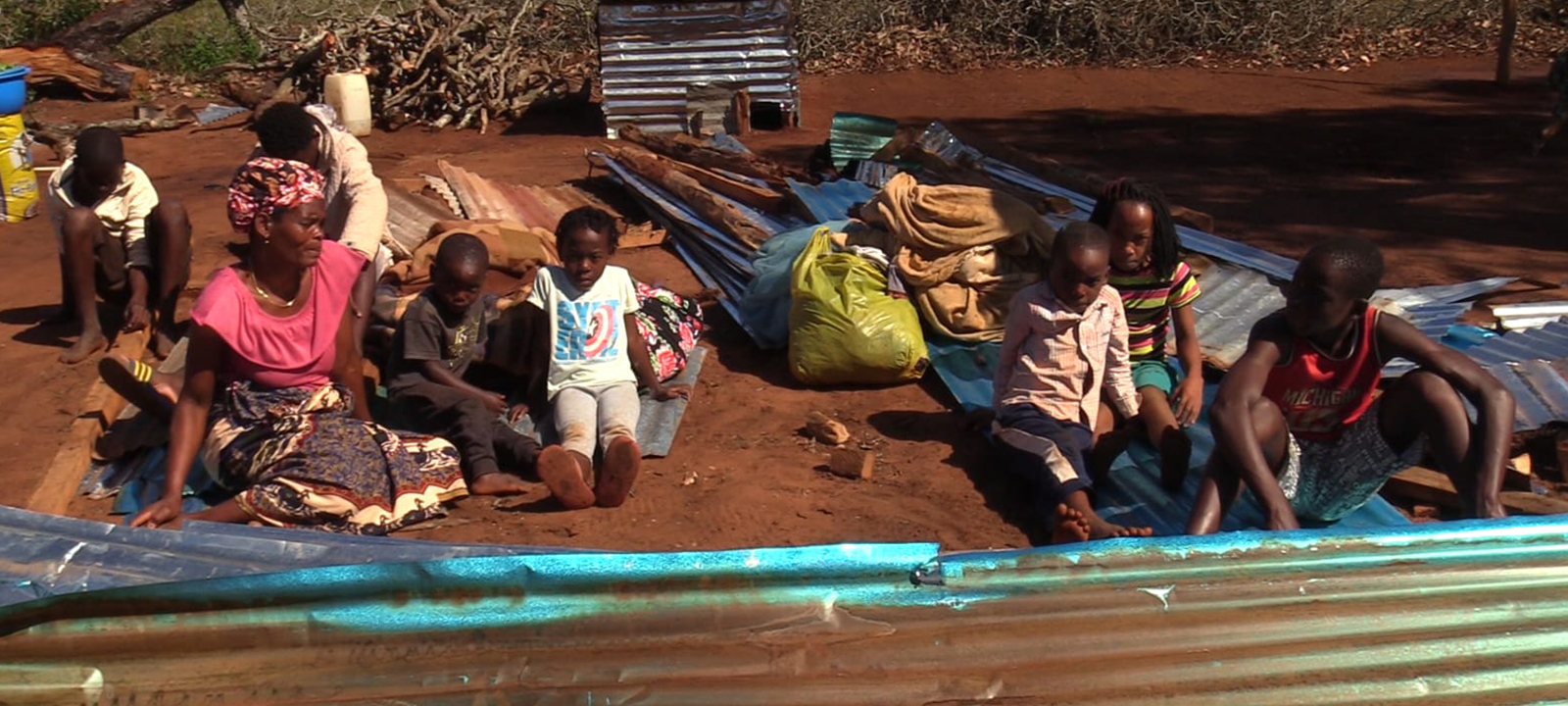
Moçambique Governo: Demolição Casas Chibuto Gera Acusações de Injustiça
Summary
- At least 100 homes were destroyed in Nhamuza, Chibuto district, Mozambique, by government-led demolitions.
- Affected families are now homeless and accuse the government of injustice.
- The lost homes, built over years of sacrifice, were valued between 200,000 and 300,000 meticais.
- The incident highlights concerns regarding property rights, due process, and compensation for affected residents.
- Legal experts are observing the situation for its implications on land disputes and housing rights in Mozambique.
Government-Led Demolitions Leave Families Homeless in Chibuto
The estimated value of these lost properties ranges between 200,000 and 300,000 meticais, a substantial sum for the residents.
A recent government-led demolition of homes in the Nhamuza area of Chibuto district, Mozambique, has resulted in at least 100 houses being destroyed, leaving numerous families without shelter. The affected residents are now exposed to the elements, grappling with the immediate aftermath of losing their dwellings. This significant event, involving the demolição casas Chibuto governo Moçambique, has sparked widespread accusations of injustice from the local community.
The demolitions have directly impacted the lives of many, who now face a critical lack of basic shelter. The scale of the destruction underscores a pressing humanitarian concern, as families who once had homes are now displaced. The incident highlights the severe consequences that can arise from such actions, particularly when they affect vulnerable populations.
Community Outcry Over Lost Homes and Investment
Families impacted by the Nhamuza Chibuto demolição have vocally accused the government of injustice, emphasizing the profound personal and financial losses they have endured. Many of these homes, constructed over years of personal sacrifice and hard work, represented significant investments for their owners. The estimated value of these lost properties ranges between 200,000 and 300,000 meticais, a substantial sum for the residents.
The community's distress stems not only from the loss of physical structures but also from the perceived disregard for their long-term efforts and established lives. The accusations of injustice reflect a deep sense of grievance among those who dedicated years to building and maintaining their residences, only to see them dismantled. This situation brings to the forefront critical questions regarding property rights and the process of land management in the region.
Legal and Human Rights Concerns Emerge
The events in Chibuto raise serious questions about legal challenges concerning property rights, due process, and the provision of adequate compensation for families affected by government-initiated demolitions in Mozambique. The accusations of injustice by the residents suggest potential issues with the legality of the demolição ilegal Chibuto, particularly if proper procedures for expropriação Chibuto were not followed or if fair indemnização demolição Moçambique was not offered.
This incident underscores the ongoing challenges related to direitos habitação Moçambique and the potential for conflito terra Chibuto. Legal professionals are closely monitoring this situation for any precedents it might set regarding land disputes and the enforcement of housing rights, especially concerning informal settlements. The outcome of this situation could have significant implications for how similar cases are handled in the future, emphasizing the need for transparent processes and equitable treatment of citizens.
Practical Implications
This development highlights potential legal challenges regarding property rights, due process, and compensation for families affected by government-led demolitions in Mozambique. Lawyers should monitor this situation for precedents on land disputes and the enforcement of housing rights, particularly concerning informal settlements.
Source
Source: Original reporting via O País
How does this affect you?
Get an AI analysis of this article grounded in your jurisdictions, practice areas, and any policy documents you've uploaded to Wansom.
Wansom is AI and can make mistakes.