
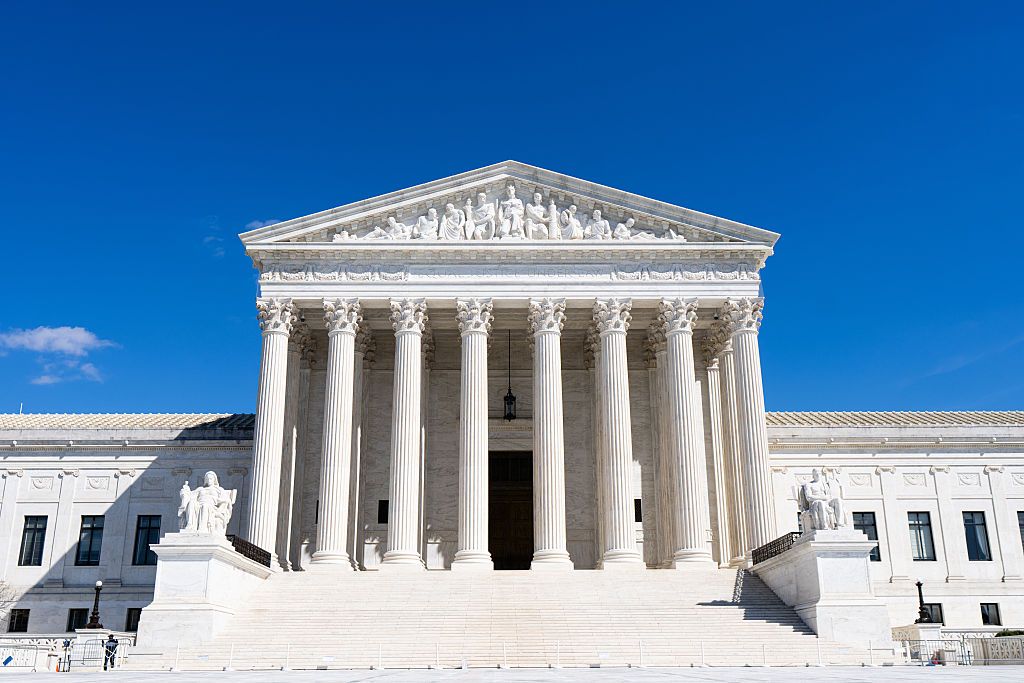
Democratic Congress: Blocks Trump SCOTUS Nominees, Shapes Court Impact
Summary
- Democrats gained control of both the House and Senate in the recent midterm elections.
- The new Democratic Senate majority will likely prevent President Trump from making further Supreme Court appointments.
- This shift increases the probability of Congress pursuing judicial reforms like ethics rules or term limits.
- Ambitious court reform proposals face legislative hurdles, including the Senate filibuster and a presidential veto.
- Democratic victories at the state level, such as in Texas, are expected to alter the Supreme Court's future caseload.
A Shifting Political Landscape
The altered power dynamics within the Senate are expected to severely complicate, if not entirely preclude, President Donald Trump's capacity to nominate another justice to the nation's highest court.
The recent midterm elections delivered significant gains for the Democratic Party, fundamentally altering the balance of power in Washington. With at least 40 additional seats secured in the House of Representatives and a minimum of seven new seats in the Senate, Democrats are poised to assume control of both legislative chambers come January. This electoral outcome grants the party considerable influence over the nation's policymaking agenda and positions them to play a pivotal role in shaping the future trajectory of the Supreme Court.
This newfound congressional majority marks a critical juncture, as it empowers Democrats to steer legislative priorities and exert greater oversight across various governmental functions. The shift in control of both the House and Senate ensures that the Democratic agenda will now have a direct pathway through Congress, setting the stage for potential legislative action that could directly or indirectly affect the judiciary.
Impact on Supreme Court Appointments
One of the most immediate and profound consequences of the Democratic takeover of Congress pertains to the process of US Supreme Court appointments. The altered power dynamics within the Senate are expected to severely complicate, if not entirely preclude, President Donald Trump's capacity to nominate another justice to the nation's highest court. Should a vacancy emerge after the new Congress convenes, the Democratic majority in the Senate will possess the necessary votes to reject any potential SCOTUS nominations Senate consideration.
This strategic advantage means that Democrats could effectively block a presidential nominee, or even prevent confirmation hearings from advancing, thereby eliminating the prospect of another Trump judicial appointment during this period. The ability to control the Senate's confirmation process represents a significant check on the executive branch's power to shape the judiciary, ensuring that any future Supreme Court vacancies would face substantial scrutiny and potential opposition from the newly empowered Democratic caucus.
Prospects for Judicial Reform
Beyond appointments, the Democratic Congress Supreme Court impact extends to the increased likelihood of legislative efforts aimed at judicial reform. Several prominent Democratic leaders have recently expressed support for various initiatives designed to modify the structure or ethical guidelines of the Supreme Court. These proposals include the implementation of new ethics rules for justices, the establishment of term limits for their service, or even an expansion of the court's overall size.
However, the immediate passage of these more ambitious reform proposals faces considerable legislative hurdles. Despite their control of both chambers, Democrats currently lack the supermajority required to overcome a filibuster in the Senate. Furthermore, any legislation passed would still be subject to a presidential veto from Donald Trump, creating significant obstacles for the more transformative elements of the Democratic judiciary agenda in the short term.
Broader Judicial and State-Level Implications
The ramifications of the Democratic electoral success are not confined solely to federal legislative action but also extend to the nature and volume of the Supreme Court's workload, particularly influenced by state-level outcomes. Democratic victories in various states, notably in Texas, are anticipated to alter the types of cases that ultimately reach the nation's highest court.
For years, under Republican leadership, Texas had been a prolific source of legal challenges targeting regulations enacted by the Biden administration and seeking to overturn established Supreme Court precedent. A shift towards Democratic state officials could lead to a reduction in such aggressive legal maneuvers, potentially reshaping the docket and focus of the Supreme Court by diminishing the flow of certain types of politically charged cases originating from state governments. This illustrates a multifaceted Democratic Congress Supreme Court impact, reaching from federal appointments to the very cases the Court considers.
Practical Implications
Lawyers should monitor legislative efforts regarding Supreme Court appointments and potential court reforms (e.g., ethics, term limits, expansion) as these developments could significantly alter the Court's composition and future jurisprudential direction, impacting case law and constitutional interpretation.
Source
How does this affect you?
Get an AI analysis of this article grounded in your jurisdictions, practice areas, and any policy documents you've uploaded to Wansom.
Wansom is AI and can make mistakes.