
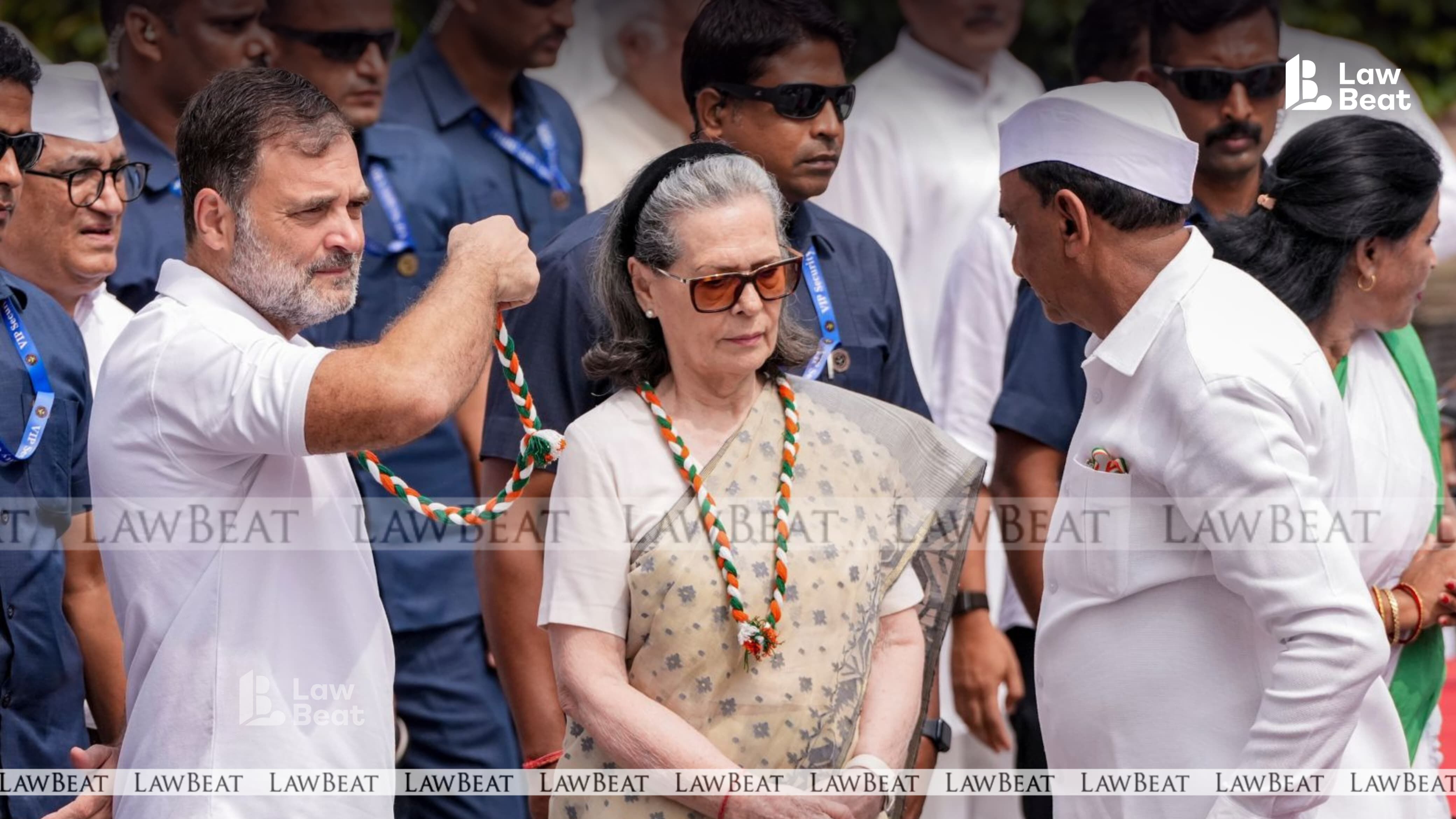
Delhi High Court: Sonia Gandhi, Rahul Gandhi Disrupt Vande Mataram
Summary
- Delhi Police received a complaint against Sonia Gandhi and Rahul Gandhi over alleged disruption during 'Vande Mataram' rendition.
- A separate complaint was lodged against Sonia Gandhi in Karnataka over another alleged incident involving the national song.
- The controversy raises questions about free speech and expression during patriotic events, with potential risks of defamation claims or reputational damage.
What Happened
While the Union Home Ministry has issued guidelines mandating the playing or singing of 'Vande Mataram' at designated government functions and requiring standing, the Supreme Court has clarified that these guidelines are advisory, not legally binding on individuals to sing, and do not impose penal consequences for non-compliance. Article 51A of the Constitution, which outlines fundamental duties, explicitly refers to the National Flag and National Anthem, but not the National Song.
Delhi Police received a complaint against Sonia Gandhi and Rahul Gandhi over an alleged disruption during the rendition of 'Vande Mataram' at the All India Congress Committee (AICC) headquarters in New Delhi on Independence Day. The incident has sparked controversy, with some accusing the Congress leaders of disrespecting the national song. A separate complaint was also lodged against Sonia Gandhi in Karnataka over a different alleged incident involving the rendition of 'Vande Mataram'. The complaints have raised questions about the limits of free speech and expression during patriotic events.
Legal Context
The Delhi Police complaint is just one of several recent incidents where individuals and organizations have been accused of disrupting or disrespecting the national song. In India, 'Vande Mataram' holds a special significance as it was written by Bankim Chandra Chattopadhyay in 1870 and is considered a symbol of national pride. While the Union Home Ministry has issued guidelines mandating the playing or singing of 'Vande Mataram' at designated government functions and requiring standing, the Supreme Court has clarified that these guidelines are advisory, not legally binding on individuals to sing, and do not impose penal consequences for non-compliance. Article 51A of the Constitution, which outlines fundamental duties, explicitly refers to the National Flag and National Anthem, but not the National Song. However, the court has also recognized the right to dissent and peaceful protest.
Why It Matters
The controversy surrounding Sonia Gandhi and Rahul Gandhi's alleged disruption of 'Vande Mataram' raises important questions about the balance between free speech and national pride. As lawyers and compliance officers, it is essential to be aware of the potential risks of defamation claims or reputational damage to individuals and organizations involved in similar disruptions. The incident also highlights the need for clear guidelines on what constitutes disrespecting the national song and the consequences of such actions.
Practical Implications
Lawyers and compliance officers should watch for potential defamation claims or reputational damage to individuals and organizations involved in similar disruptions, and ensure their clients are aware of the risks and take necessary precautions.
Source
How does this affect you?
Get an AI analysis of this article grounded in your jurisdictions, practice areas, and any policy documents you've uploaded to Wansom.
Wansom is AI and can make mistakes.