
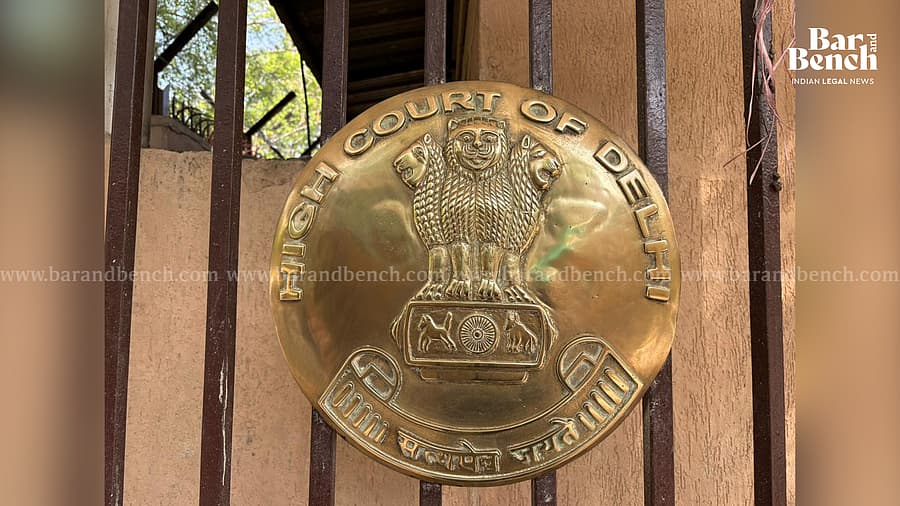
Delhi High Court: Police Must Decide UFBU Protest Site by Sep 28
Summary
- The Delhi High Court directed Delhi Police to decide on a bank union's protest site request by September 28.
- Justice Amit Mahajan issued the order in response to a plea from the United Forum of Bank Unions Delhi State (UFBU).
- UFBU sought permission for a peaceful dharna at Jantar Mantar from September 28-30, challenging police denial and delay.
- The planned protest is part of a nationwide strike by bank employees seeking a 5-day banking week and reconsideration of the PLI scheme.
- The court also mandated authorities to consider an alternate protest location by Monday if Jantar Mantar was not approved.
Court Directs Police on Protest Site
This judicial oversight ensures that authorities cannot indefinitely delay or arbitrarily deny requests for protest sites, thereby upholding fundamental rights even amidst administrative complexities.
The Delhi High Court recently intervened in a dispute concerning a planned protest by government bank employees, issuing a directive to the Delhi Police. On a Friday, Justice Amit Mahajan ordered the police to make a definitive decision by September 28 regarding a request for a protest site in the national capital. This decision, the court stipulated, must then be formally communicated to the union.
The court's order specifically instructed the respondent authorities to consider the request for an alternative location for the demonstration by the following Monday. This directive came in response to a plea lodged by the United Forum of Bank Unions Delhi State (UFBU), which sought judicial intervention after facing delays and an initial denial from the police regarding their proposed protest.
Background to the Planned Demonstrations
The United Forum of Bank Unions Delhi State (UFBU) had approached the Delhi High Court after their attempts to secure permission for a peaceful dharna at Jantar Mantar were met with resistance. The union had specifically requested to hold their demonstrations on September 28, 29, and 30, coinciding with a broader nationwide strike.
This three-day strike, scheduled from September 28 to September 30, was called by bank employees across the country to press for two primary demands: the implementation of a five-day banking week and a reconsideration of the existing Performance Linked Incentive (PLI) scheme. Faced with the police's challenge to their initial request for Jantar Mantar, the UFBU's petition to the court also included a contingency, asking for an alternate location if Jantar Mantar was deemed unsuitable for their protest.
Legal Context and Judicial Intervention
The Delhi High Court's intervention, spearheaded by Justice Amit Mahajan, underscores the judiciary's role in safeguarding the right to peaceful assembly, particularly when administrative processes appear to hinder it. The UFBU's petition directly challenged the Delhi Police's denial and the perceived delay in granting permission for the proposed demonstrations, highlighting a common point of contention for organizations planning protests in Delhi.
By directing the Delhi Police to make a timely decision and consider an alternate site, the court provided a crucial legal avenue for the United Forum of Bank Unions Delhi to pursue their right to protest. This judicial oversight ensures that authorities cannot indefinitely delay or arbitrarily deny requests for protest sites, thereby upholding fundamental rights even amidst administrative complexities.
Significance for Protest Rights in Delhi
This ruling by the Delhi High Court holds significant implications for unions and organizations planning demonstrations in the capital. It establishes a precedent where the judiciary can compel authorities to act decisively on requests for protest locations, particularly when faced with police inaction or denial. The court's clear directive for a decision by September 28 and the consideration of an alternate site by Monday demonstrates a commitment to facilitating the exercise of protest rights.
For groups like the United Forum of Bank Unions Delhi, this decision provides a potential legal recourse if their bank employees strike permission is unduly delayed or denied. It reinforces the principle that while authorities have a role in managing public order, this must be balanced with the constitutional right to peaceful protest, ensuring that the Delhi Police protest decision-making process is both timely and fair.
Practical Implications
Lawyers advising unions or organizations planning protests in Delhi should note the Delhi High Court's willingness to direct authorities to make timely decisions on protest site requests, offering a potential legal avenue if permission is unduly delayed or denied.
Source
How does this affect you?
Get an AI analysis of this article grounded in your jurisdictions, practice areas, and any policy documents you've uploaded to Wansom.
Finish Reading the Full Story and the Expert Analysis.
Get the latest legal & regulatory intelligence in India
Wansom is AI and can make mistakes.