
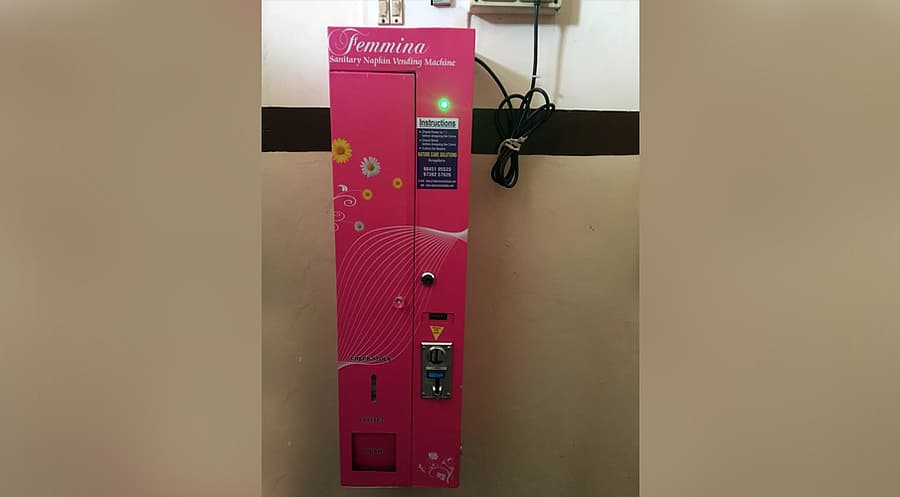
Delhi High Court: Sanitary Pad Vending Machines in Police Stations
Summary
- The Delhi High Court has ordered the Commissioner of Delhi Police to conduct a survey of all police stations and provide sanitary pad vending machines and washrooms for women police personnel.
- The court's order is a recognition of the importance of providing basic menstrual hygiene facilities to women in uniform, who have been struggling with inadequate access to such facilities.
- Lawyers advising women police personnel should be aware of this court order and advise their clients to report any non-compliance, as failure to provide basic menstrual hygiene facilities may expose the Delhi Police to liability.
Delhi High Court Orders Sanitary Pad Vending Machines in Police Stations
The survey must be conducted in six weeks and based on its findings, steps must be taken to provide 'each police station with the facility of sanitary pad vending machines and washrooms for exclusive use of women personnel'.
In a significant ruling, the Delhi High Court has directed the Commissioner of Delhi Police to conduct a survey of all police stations in the national capital and construct women's washrooms with sanitary pad vending machines for women police personnel. The order was passed by a Division Bench comprising Chief Justice Devendra Kumar Upadhyaya and Justice Tejas Karia while hearing a public interest litigation (PIL) petition filed by NGO Justice for Rights Foundation through its Women Cell representative Muskan Singh Bankura.
The PIL petition highlighted the lack of basic menstrual hygiene facilities in police stations, with data obtained through the Right to Information Act revealing an almost complete absence of functional sanitary pad vending machines, menstrual waste incinerators, and dedicated budgetary allocations for menstrual hygiene.
Relevant Legal/Regulatory Context
The Delhi High Court's order is a significant development in the context of menstrual hygiene in Indian law enforcement. The court's direction to conduct a survey and provide sanitary pad vending machines and washrooms for women police personnel is a recognition of the importance of providing basic menstrual hygiene facilities to women in uniform. This ruling comes on the heels of several reports highlighting the lack of access to menstrual hygiene facilities in police stations, which has led to concerns about the health and dignity of women police personnel.
The court's order also highlights the need for greater accountability in ensuring compliance with existing laws and regulations related to menstrual hygiene. The Delhi Police will be required to file an affidavit detailing the steps taken to ensure compliance with the court's order, underscoring the importance of transparency and accountability in this matter.
Why It Matters
The Delhi High Court's order has significant implications for women police personnel who have been struggling with inadequate menstrual hygiene facilities. The provision of sanitary pad vending machines and washrooms will not only improve their health and dignity but also enhance their productivity and job satisfaction. Moreover, this ruling sets a precedent for other law enforcement agencies in the country to follow suit and provide basic menstrual hygiene facilities to women in uniform.
Lawyers advising women police personnel should be aware of this court order and advise their clients to report any non-compliance, as failure to provide basic menstrual hygiene facilities may expose the Delhi Police to liability. This ruling is a step towards creating a more inclusive and equitable work environment for women in law enforcement.
Practical Implications
Lawyers advising women police personnel should be aware of this court order and advise their clients to report any non-compliance, as failure to provide basic menstrual hygiene facilities may expose the Delhi Police to liability.
Source
Source: Original reporting via The Hindu
How does this affect your business?
Get an AI analysis of this article grounded in your jurisdictions, practice areas, and any policy documents you've uploaded to Wansom.
Wansom is AI and can make mistakes.