
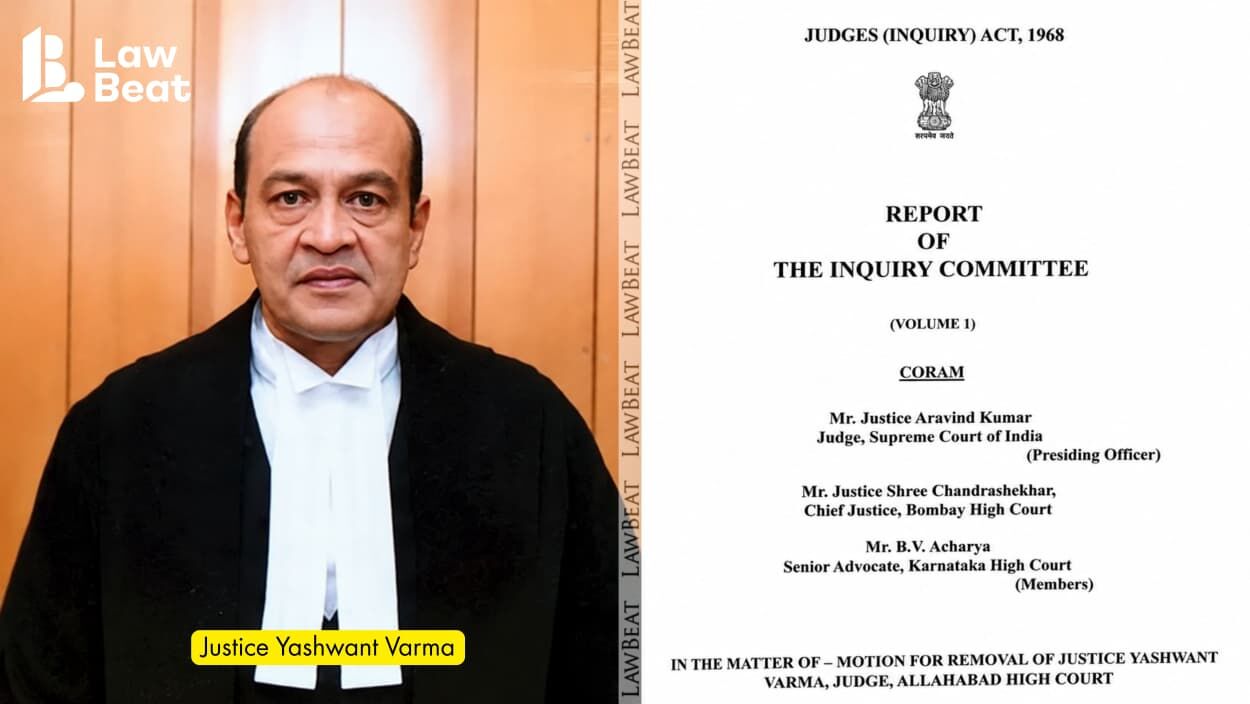
Delhi High Court Judge Yashwant Varma Inquiry Committee Report
Summary
- The Inquiry Committee has held all three charges against former Justice Yashwant Varma proved.
- Substantial unexplained currency notes were found within his official residential premises.
- Material evidence was not preserved, and Varma's explanations were deemed unsatisfactory.
What Happened
Former Justice Varma’s “whole defence is false and adds to grave suspicion against him”
The Inquiry Committee's report on allegations against Yashwant Varma, who resigned as a High Court Judge in April 2026, has been tabled in the Lok Sabha, marking a significant development in the case. The three-member committee, comprising Supreme Court judge Justice Aravind Kumar and two other experts, examined evidence related to a fire at Varma's official residence in New Delhi. During their investigation, they found substantial unexplained currency notes within the premises, which was one of the key charges against the then Delhi High Court Judge. The Committee also noted that material evidence was not preserved properly, and Varma's explanations regarding the presence of currency were deemed unsatisfactory. In its report, the Committee observed that Varma's defence was 'false and adds to grave suspicion' against him.
Legal Context
The Inquiry Committee's findings are based on the Judges (Inquiry) Act, 1968, which provides for the investigation of allegations against judges. The report will be tabled in the Lok Sabha under Section 4(3) of the Act, read with Rules 9 and 10 of the Judges (Inquiry) Rules, 1969. The Committee's conclusions are significant as they set a precedent for disciplinary action against judges in similar cases. The report also highlights the importance of preserving material evidence in such investigations. According to the Committee, Varma failed to provide a satisfactory explanation regarding the presence and source of the unexplained currency notes.
Why It Matters
The Inquiry Committee's report has far-reaching implications for the judiciary and the legal profession as a whole. Lawyers and compliance officers should be aware of the potential consequences of allegations of judicial misconduct, which could lead to reputational risks for judges and institutions involved. The report also underscores the need for transparency and accountability in the investigation process. As the Committee's findings are tabled in the Lok Sabha, Varma's resignation has rendered the removal proceedings virtually infructuous, though the report's implications for the broader judiciary remain significant.
Practical Implications
Lawyers and compliance officers should be aware of the implications of this inquiry committee report, which could set a precedent for disciplinary action against judges in similar cases. They may also need to advise clients on potential reputational risks associated with allegations of judicial misconduct.
Source
Source: Original reporting via Lok Sabha
How does this affect you?
Get an AI analysis of this article grounded in your jurisdictions, practice areas, and any policy documents you've uploaded to Wansom.
Wansom is AI and can make mistakes.