
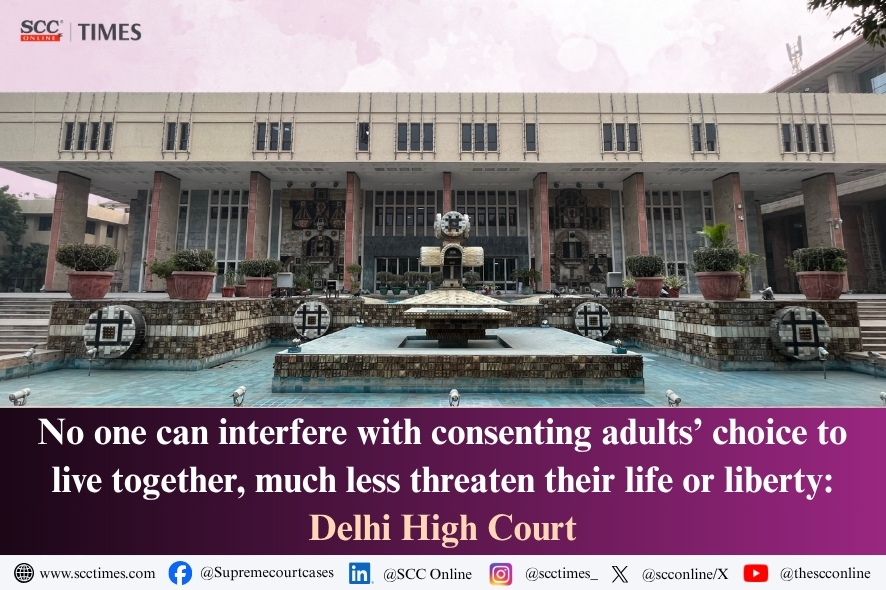
Delhi High Court: Consenting Adults Live Together, No Interference
Summary
- The Delhi High Court affirmed that no one can interfere with consenting adults' choice to live together.
- The court also stated that threats to the life or liberty of cohabiting adults are strictly prohibited.
- This ruling is grounded in Article 19 and Article 21 of the Constitution of India.
- These constitutional articles guarantee fundamental rights, including the right to freedom and the right to life and liberty, to all parties involved.
What Happened
The Delhi High Court has issued a significant declaration, unequivocally stating that no individual or entity possesses the authority to interfere with the personal decision of consenting adults who choose to live together.
The Delhi High Court has issued a significant declaration, unequivocally stating that no individual or entity possesses the authority to interfere with the personal decision of consenting adults who choose to live together. This judicial pronouncement firmly establishes the legal protection afforded to such arrangements, emphasizing the sanctity of individual autonomy in matters of cohabitation. The court went further, asserting that any actions aimed at threatening the life or liberty of individuals in live-in relationships are strictly prohibited and will not be tolerated. This ruling provides a clear legal framework, reinforcing the rights of adults to make independent choices about their living arrangements without fear of external coercion or harm.
Legal Context
The foundation of the court's robust stance lies deeply embedded within the Constitution of India, specifically drawing upon Article 19 and Article 21. These two articles are cornerstones of individual liberties, guaranteeing fundamental rights to every citizen. Article 19 broadly encompasses various aspects of freedom, including the freedom of speech and expression, and by extension, the freedom to choose one's associations and living arrangements. Article 21, on the other hand, is a comprehensive guarantee of the right to life and personal liberty, which has been interpreted by courts to include the right to dignity, privacy, and the freedom to make personal choices. The Delhi High Court underscored that these constitutional safeguards extend fully to each of the consenting adults involved in a cohabitation arrangement, ensuring their inherent right to freedom and their right to life and liberty are upheld. This judicial interpretation solidifies the India right to live together as a protected constitutional entitlement.
Why It Matters
This pronouncement by the Delhi High Court carries substantial weight and offers profound implications for consenting adults cohabitation India. By explicitly anchoring the choice to live together within the ambit of fundamental rights guaranteed by Article 19 and Article 21, the court provides a powerful legal shield against potential societal disapproval, familial pressure, or any form of harassment. It serves as a critical affirmation of individual autonomy and the right to life liberty India, making it unequivocally clear that the state is obligated to protect citizens exercising these deeply personal choices. For legal professionals, this decision establishes a strong and clear precedent, offering a robust framework for advising clients in live-in relationships and effectively challenging any interference or threats they may face. It reinforces the constitutional safeguards available, ensuring that the personal decisions of consenting adults are respected and protected under law.
Practical Implications
This ruling provides a strong precedent for lawyers advising clients in India on the legal validity and protection of live-in relationships, particularly when facing societal or familial interference. It reinforces the constitutional safeguards under Articles 19 and 21, which can be cited to uphold the fundamental rights of consenting adults.
Source
Source: Original reporting via SCC Times
How does this affect you?
Get an AI analysis of this article grounded in your jurisdictions, practice areas, and any policy documents you've uploaded to Wansom.
Wansom is AI and can make mistakes.