
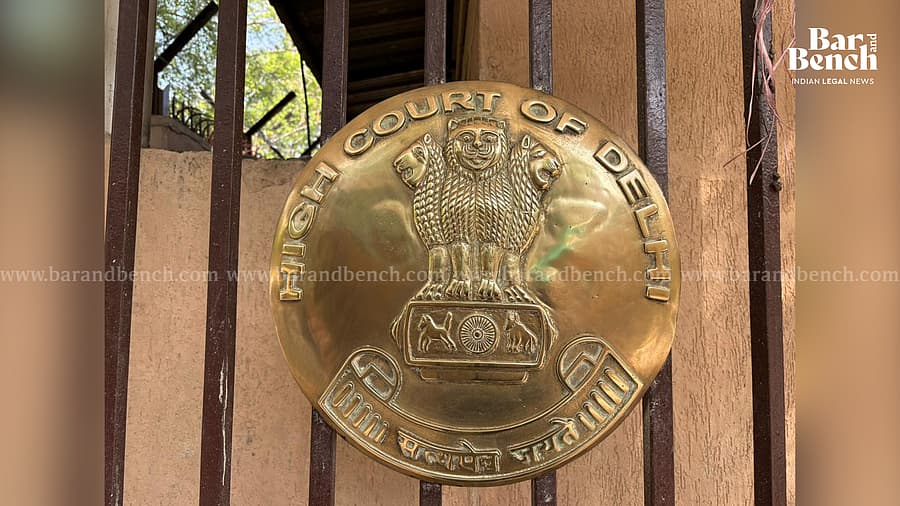
Delhi High Court: Orders IAS Disability Medical Review After Irregularity Claims
Summary
- A visually disabled candidate has petitioned the Delhi High Court, alleging irregularities in the 2013 IAS disability assessment process.
- She claims two higher-ranked candidates, initially deemed ineligible by medical boards, later received disability certification via a “Super Appellate Board.”
- The petitioner questions the legality of this “Super Appellate Board,” arguing it deprived her of a reserved IAS seat.
- On September 3, the Delhi High Court directed the Central government to clarify the legal basis for constituting such review boards after appellate decisions.
- The court's decision could significantly impact the finality and challengeability of disability certification in civil services.
What Happened
The Delhi High Court's inquiry into the legitimacy of a “Super Appellate Board” directly addresses a fundamental question about the finality and integrity of the IAS disability reservation challenge and the broader medical review board appeal system.
A visually disabled candidate for the Indian Administrative Services (IAS) has brought a petition before the Delhi High Court, alleging significant irregularities in the medical assessment of disability status during the 2013 Civil Services Examination (CSE). The petitioner, Ganatra Komal Pravinbhai, contends that these alleged procedural flaws directly resulted in her being unjustly denied an IAS position. Her legal challenge, filed against the Union of India and others, centers on the claim that two other candidates were improperly granted disability certification, thereby occupying a reserved IAS vacancy that should have been hers.
According to the petitioner, these two candidates, despite ranking higher in the examination, were initially deemed ineligible for reservation under the disabled quota. This determination was made by both an initial medical review board and a subsequent appellate body, establishing a clear finding against their eligibility. However, the situation reportedly changed dramatically after the constitution of an additional Review Medical Board, which the petitioner critically refers to as a “Super Appellate Board.” It was following the intervention of this newly formed board that the two candidates ultimately received the benefit of disability reservation, a decision that the petitioner argues was irregular and unlawful.
Legal Challenge and Court's Directive
The core of Ganatra Komal Pravinbhai's petition to the Delhi High Court revolves around the legality of establishing such a “Super Appellate Board.” She has specifically questioned the authority and procedure behind forming a medical review body that appears to override the findings of established appellate medical boards. This challenge to the `Super Appellate Board legality` is a pivotal aspect of the case, potentially setting a precedent for future `civil services disability certification` processes.
Responding to these serious allegations, the Delhi High Court, on September 3, issued a significant directive. A Bench comprising Justices Anil Kshetarpal and Shail Jain ordered the Central government to provide a clear clarification on whether Review Medical Boards can legitimately be constituted after Appellate Medical Boards have already rendered their definitive opinion regarding candidates' eligibility for disability-based reservations. The court further instructed the counsel for the Union of India to submit an affidavit from an officer of appropriate seniority, outlining the government's position on this critical procedural matter. This directive underscores the court's intent to thoroughly examine the `Delhi HC IAS disability medical review` process.
Implications for Disability Reservations
The ongoing proceedings in `Ganatra Komal Pravinbhai v. Union of India` carry substantial implications for the framework governing disability reservations in civil services. The Delhi High Court's inquiry into the legitimacy of a “Super Appellate Board” directly addresses a fundamental question about the finality and integrity of the `IAS disability reservation challenge` and the broader `medical review board appeal` system. A ruling on this matter could either affirm the existing multi-tiered review process or introduce stricter guidelines regarding how and when medical assessments for disability benefits can be revisited or overturned.
Should the court find that such “Super Appellate Boards” lack proper legal backing, it could significantly strengthen the position of initial and appellate medical board decisions, making them more difficult to challenge or circumvent. This would provide greater certainty for candidates and recruitment bodies alike, ensuring a more transparent and equitable process for `civil services disability certification`. Conversely, if the court validates the existence and authority of such boards, it would clarify the permissible avenues for appeal and review, albeit with potential implications for the perceived finality of earlier medical opinions. The outcome of this case is therefore crucial for all stakeholders involved in disability-based recruitment for government positions.
Practical Implications
Lawyers advising civil services candidates on disability reservations should closely monitor the Delhi High Court's proceedings in this case. The court's decision on the legality of 'Super Appellate Boards' could establish a crucial precedent regarding the finality and challengeability of disability certification processes, impacting future appeals and compliance requirements for government recruitment bodies.
Source
How does this affect you?
Get an AI analysis of this article grounded in your jurisdictions, practice areas, and any policy documents you've uploaded to Wansom.
Finish Reading the Full Story and the Expert Analysis.
Wansom is AI and can make mistakes.