
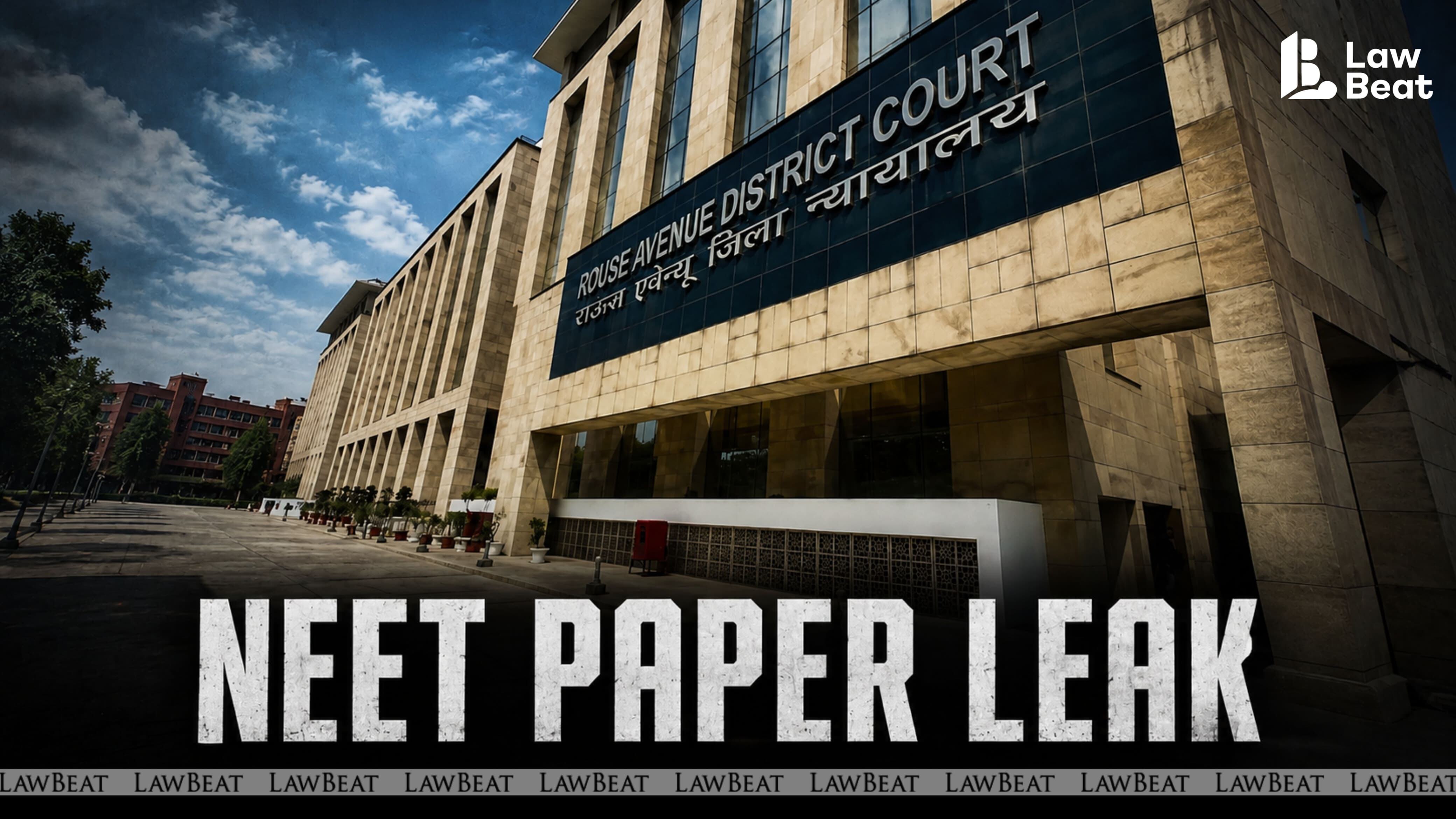
Delhi Court Rejects Polygraph Test for NEET Paper Leak Accused
Summary
- A Delhi court rejected a plea from three accused in the NEET UG 2026 paper leak case to undergo polygraph and brain-mapping tests.
- The CBI has filed a nearly 20,000-page chargesheet against 13 accused, citing 360 witnesses, 422 documents, and 43 material objects.
- The court's decision may set a precedent for other jurisdictions and could impact the admissibility of such evidence in Indian courts.
The NEET Paper Leak Case: A Complex Investigation
The CBI has filed a nearly 20,000-page chargesheet against 13 accused, citing 360 witnesses, 422 documents, and 43 material objects.
The Delhi court's decision to reject the plea for polygraph and brain-mapping tests in the NEET paper leak case has sparked interest in the admissibility of such evidence in Indian courts. The accused, Mangal Lal Biwal, Vikas Biwal, and Dinesh Biwal, had sought permission to undergo these tests voluntarily, claiming it would help demonstrate their innocence and assist the CBI investigation. However, the court's rejection raises questions about the reliability and validity of polygraph and brain-mapping tests in proving guilt or innocence. The CBI has filed a nearly 20,000-page chargesheet against 13 accused, citing 360 witnesses, 422 documents, and 43 material objects. The case originated from a complaint lodged by the Department of Higher Education on May 12, concerning alleged irregularities in the NEET-UG 2026 examination held on May 3.
Legal Context: Article 21 and the Admissibility of Evidence
The accused had argued that a fair investigation and trial were facets of their fundamental rights under Article 21 of the Constitution. However, the court's decision to reject the plea for polygraph and brain-mapping tests suggests that these tests may not be considered admissible evidence in Indian courts. The CBI opposed the plea, with Senior Public Prosecutor V.K. Pathak submitting that the application was not maintainable and seeking costs against the accused. This raises questions about the role of polygraph and brain-mapping tests in high-profile investigations like the NEET paper leak case.
Why It Matters: Implications for Future Cases
The court's decision may set a precedent for other jurisdictions and could impact the admissibility of such evidence in Indian courts. Lawyers should watch for the potential implications of this decision on future cases involving polygraph or brain-mapping tests, particularly in high-profile investigations like the NEET paper leak case. The CBI has been conducting an extensive investigation into the alleged irregularities and leakage of the NEET-UG 2026 question paper, with searches conducted at 92 locations across multiple states. The court took cognisance of the chargesheet on August 12.
Practical Implications
Lawyers should watch for the potential implications of this decision on future cases involving polygraph or brain-mapping tests, particularly in high-profile investigations like the NEET paper leak case. The court's ruling may set a precedent for other jurisdictions and could impact the admissibility of such evidence in Indian courts.
Source
How does this affect you?
Get an AI analysis of this article grounded in your jurisdictions, practice areas, and any policy documents you've uploaded to Wansom.
Wansom is AI and can make mistakes.