
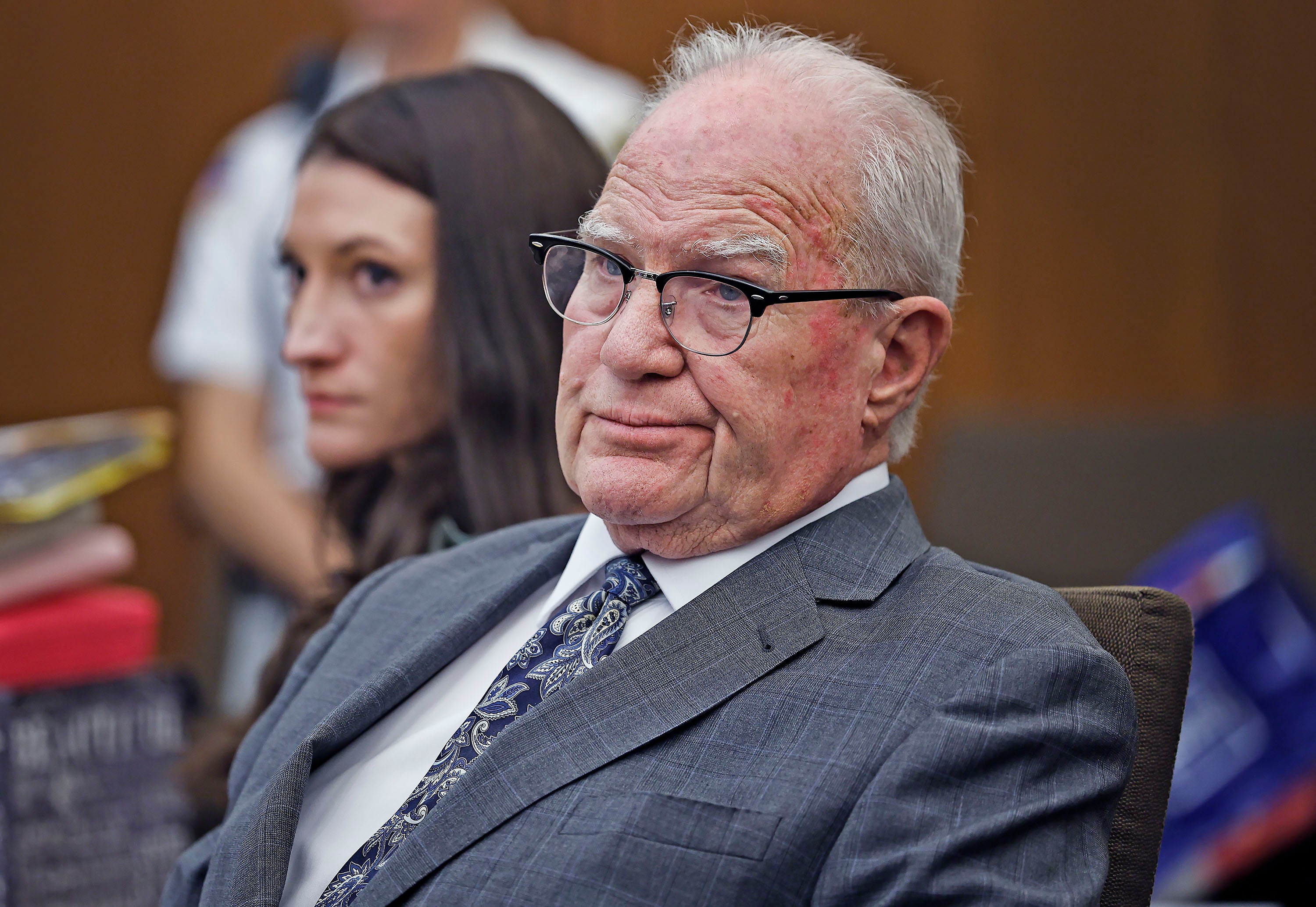
Defense Attorney Kevin Reddington Gains Social Media Following in Clancy Murder Trial
On September 2, 2026, Kevin Reddington, the 75-year-old defense lawyer for Lindsay Clancy in her Massachusetts murder trial, garnered significant social media attention and a fan base as the jury entered its fifth day of deliberations. Reddington, known by monikers such as 'Big Redd' and 'Shreddington,' has been trying cases for over 40 years and is defending Clancy against charges that she murdered her three children. The defense strategy centers on Clancy's claim that she should not be held criminally responsible due to suffering from overmedication, bipolar disorder, and postpartum psychosis. The excerpt details Reddington's assertive courtroom style, including heated exchanges with Massachusetts Superior Court Judge William Sullivan and challenging Clancy's former psychiatrist, Dr. Jennifer Tufts, as well as publicly criticizing the district attorney for not offering a plea deal.
This situation carries substantial legal significance, illustrating the growing intersection of high-profile criminal trials with public opinion and social media engagement. The development of a social media 'fan base' for a defense attorney during an active murder trial underscores how legal proceedings are increasingly scrutinized and commented upon outside traditional legal channels. For practitioners, this highlights the dual challenge of managing a complex legal defense while navigating intense public and media attention, which can influence perceptions of the case, even if not directly impacting the jury. Furthermore, the defense's reliance on mental health conditions like postpartum psychosis and bipolar disorder raises critical questions about criminal responsibility and the role of psychiatric evidence in serious felony cases.
The legal context for this case is a murder trial within the Massachusetts Superior Court system, presided over by Judge William Sullivan. Massachusetts law recognizes various defenses related to mental state, including lack of criminal responsibility due to mental disease or defect, which can encompass conditions like postpartum psychosis. The adversarial nature of the trial is evident in Reddington's interactions with the judge and his cross-examination of the psychiatrist, as well as his public comments regarding plea negotiations. Plea bargaining is a common feature of the criminal justice system, and the decision by a district attorney not to offer a plea deal in a high-profile case can be a strategic choice with significant implications for both sides. The jury's ongoing deliberations are a critical phase, where they weigh the evidence presented, including the complex mental health defense.
Attorneys should take away several key lessons from this ongoing trial. Firstly, the pervasive influence of social media means that lawyers in high-profile cases must be acutely aware of their public image and the narratives forming around their cases, even if they choose not to engage directly. Secondly, the case emphasizes the importance of a robust and often aggressive defense, particularly when dealing with complex mental health defenses that require expert testimony and careful presentation to a jury. Finally, it serves as a reminder of the intense pressures and strategic considerations involved in major criminal litigation, from courtroom advocacy to managing public perception and navigating plea discussions. The outcome of the jury's deliberations in this matter is not reported in the excerpt.
How does this affect you?
Get an AI analysis of this article grounded in your jurisdictions, practice areas, and any policy documents you've uploaded to Wansom.
Finish Reading the Full Story and the Expert Analysis.
Wansom is AI and can make mistakes.