
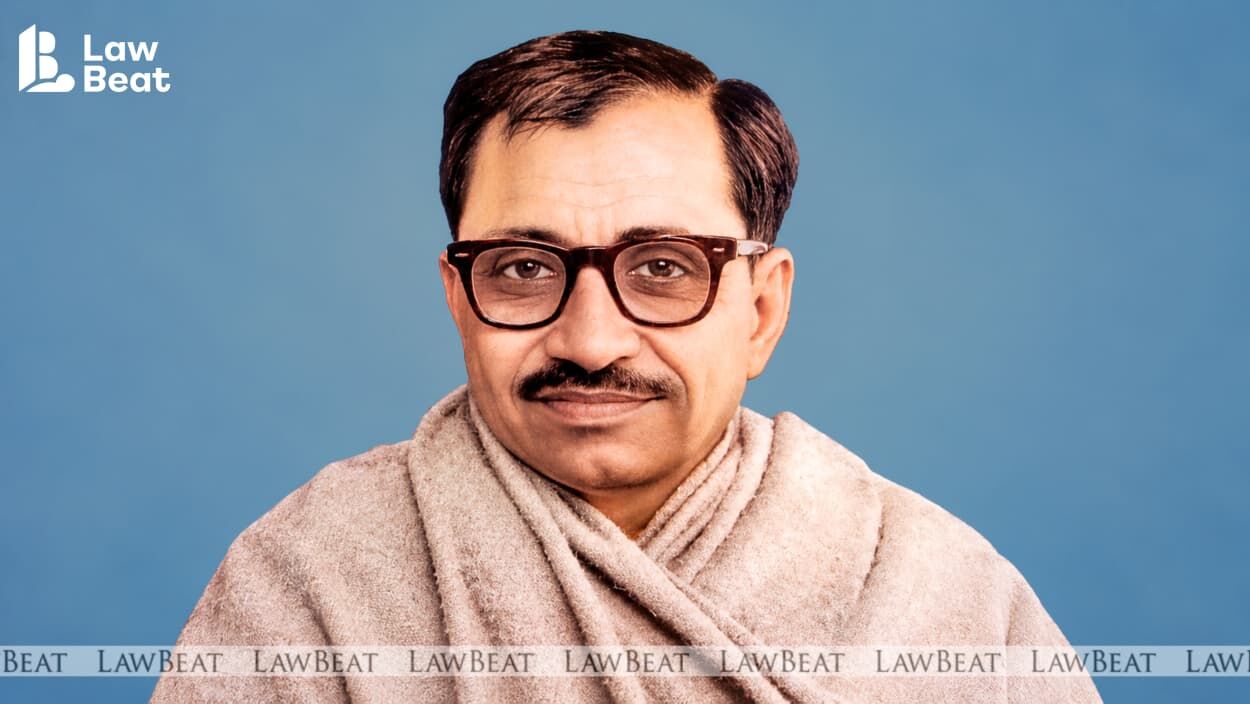
India: Law Of The Last Person Legal Application For Holistic Justice
Summary
- Pandit Deendayal Upadhyaya, a leading political figure, developed the philosophies of "Antyodaya" and "Integral Humanism."
- These ideas offer a unique Bharatiya view of the state, society, and person, providing valuable lessons for legal professionals.
- Bharatiya culture views life as an integrated whole, contrasting with legal systems that compartmentalize individuals into specific identities.
- A fair application of law, informed by Upadhyaya's philosophy, requires considering the full circumstances of a case, such as distinguishing between tax evasion and technical defects.
- Integral Humanism strengthens justice by advocating for a holistic legal approach that ensures penalties are proportionate and contextually aware.
Understanding Deendayal Upadhyaya's Vision
A truly fair application of the Law of the Last Person legal application, informed by Upadhyaya's philosophy, would necessitate a deeper inquiry into the specific circumstances.
Pandit Deendayal Upadhyaya, a prominent figure in India's political landscape, was a leading voice within both the Rashtriya Swayamsevak Sangh and the then Bharatiya Jana Sangh. Beyond his political roles, he was recognized as a dedicated public policy practitioner and a true "jan sevak." His profound philosophical contributions, particularly the concepts of "Antyodaya" and "Integral Humanism," offered a distinctive Bharatiya perspective on the state, societal structures, and the individual.
These ideas hold significant lessons for contemporary legal professionals, providing a framework for a more holistic approach to justice. The author, who studied law at Gujarat National Law University, initially encountered Upadhyaya's name through the Pandit Deendayal Petroleum University (now Pandit Deendayal Energy University) campus located nearby. This initial familiarity, however, was limited to inter-university rivalry. It was only after embarking on a legal career that the author fully grasped the depth and importance of Upadhyaya's thoughts.
The Challenge of Legal Compartmentalization
A core tenet of Bharatiya culture, as articulated by Upadhyaya, views life as an integrated whole. This perspective contrasts sharply with the way modern legal systems often operate, which tend to compartmentalize individuals into various legal identities. For instance, tax law identifies a person as an assessee, labor law as an employer, and criminal law as an accused. While this categorization is deemed legally necessary for the functioning of the system, it frequently fails to capture the complete picture of an individual seeking justice.
This fragmentation can obscure the broader circumstances surrounding a legal issue. Consider a small trader who fails to pay taxes; the law might immediately label them a defaulter. However, a truly fair application of the Law of the Last Person legal application, informed by Upadhyaya's philosophy, would necessitate a deeper inquiry into the specific circumstances. It would distinguish between deliberate evasion and a failure stemming from technical issues or institutional shortcomings, thereby ensuring that the full context of the person's situation is considered.
Integral Humanism and Justice Application
Upadhyaya's concept of Integral Humanism legal implications extends to strengthening the application of justice by advocating for a comprehensive understanding of an individual's situation. This holistic legal approach in India suggests that any penalty imposed should not be a mere reaction to a legal classification but rather a considered response that takes into account the full human context. The Antyodaya principles justice India seeks to ensure that the most vulnerable are not unfairly penalized due to systemic or circumstantial factors.
By emphasizing the integrated nature of human life, Bharatiya legal thought encourages legal practitioners to look beyond narrow definitions and consider the broader societal and personal factors influencing a case. This approach, rooted in Integral Humanism, aims to ensure that justice is not only legally sound but also deeply empathetic and contextually aware, ensuring that the consequences of legal actions remain proportionate and just.
Source
How does this affect you?
Get an AI analysis of this article grounded in your jurisdictions, practice areas, and any policy documents you've uploaded to Wansom.
Finish Reading the Full Story and the Expert Analysis.
Get the latest legal & regulatory intelligence in India
Wansom is AI and can make mistakes.