
DC Circuit: Boasberg Venezuelan Migrant Return Order Likely Overturned
Summary
- A D.C. Circuit panel is reviewing a federal judge's order to return over 200 Venezuelan migrants deported to El Salvador.
- Chief U.S. District Judge James Boasberg had ordered the government to facilitate the return of migrants, designated as Tren de Aragua gang members under the Alien Enemies Act, to resume asylum proceedings.
- The government argues it holds no "constructive custody" over migrants released from a Salvadoran prison to Venezuela, challenging the scope of habeas corpus.
- Migrant advocates contend that denying return creates a loophole for mass deportations despite conceded due process violations.
- The D.C. Circuit's decision will establish precedent on judicial authority to order the return of wrongfully deported migrants and the applicability of habeas corpus in cases of transfer to foreign custody.
DC Circuit Weighs Judicial Authority in Migrant Return Case
The final ruling in this appeal will set a significant precedent on the extent of judicial power to order the return of migrants wrongfully deported and the reach of habeas corpus for individuals transferred to foreign custody.
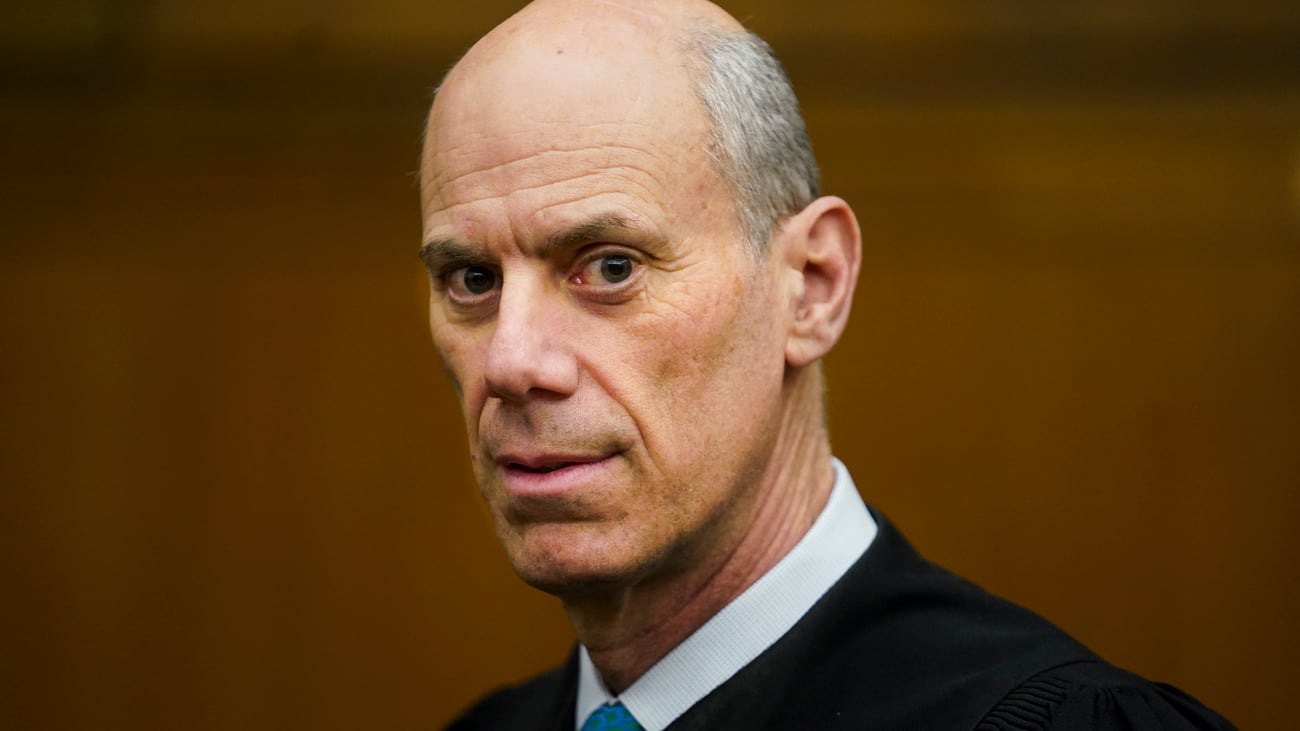
A federal appeals court in Washington recently heard arguments in a pivotal case concerning a federal judge's directive for the government to facilitate the return of hundreds of Venezuelan migrants. The D.C. Circuit panel, on Friday, appeared inclined to support the Trump administration's challenge against an order issued by Chief U.S. District Judge James Boasberg. This long-running dispute centers on whether Judge Boasberg overstepped his authority by demanding the government bring back over 200 Venezuelan men who were deported to El Salvador in March 2025.
These migrants were initially sent to the CECOT mega-prison in El Salvador and have since been released to Venezuela. Judge Boasberg's February order specifically mandated their return to the United States to allow them to continue their asylum proceedings, a decision the government is now appealing. The outcome of this appeal will significantly impact the scope of judicial power regarding the return of individuals deported under contentious circumstances.
Legal Battle Over Habeas Corpus and Constructive Custody
The core of the legal challenge revolves around the designation of these Venezuelan migrants as members of the Tren de Aragua gang under the Alien Enemies Act, which led to their deportation. Judge Boasberg's order aimed to provide a pathway for these individuals to contest their designations through supplemental habeas corpus petitions. His directive also envisioned virtual hearings and the potential resumption of their asylum proceedings upon their return to U.S. immigration custody.
However, Justice Department attorney Tiberius Davis argued against the notion that the U.S. government maintained "constructive custody" over the migrants while they were in El Salvador, or now that they are in Venezuela. Davis contended that Judge Boasberg's interpretation of the record could "open the floodgates" to claims asserting U.S. custody over prisons globally, raising questions about judicial oversight of conditions in facilities in countries like Iraq or Eswatini, and potentially entangling courts in sensitive diplomatic negotiations. Senior U.S. Circuit Judge A. Raymond Randolph echoed concerns about the applicability of habeas corpus, noting that its usual remedy is release from confinement, which the migrants have already experienced. He suggested that a claim for damages due to a due process violation might be more appropriate than seeking a return through habeas corpus.
Due Process Concerns and International Precedent
Lee Gelernt of the American Civil Liberties Union, representing the migrant class, urged the D.C. Circuit to uphold Judge Boasberg's order, warning that siding with the government would create an "extraordinary loophole" in its mass deportation efforts. Gelernt highlighted the government's position as effectively allowing it to "whisk people away to a foreign prison," concede due process violations, and then claim the matter is closed because the individuals are no longer on U.S. soil. This argument underscores the critical due process implications of the case.
Despite the government's payment of approximately $4.7 million to Salvadoran President Nayib Bukele for holding the detainees, Davis maintained that this did not equate to "unilateral control" over their detention. He cited the need for "substantial negotiation" to facilitate the return of individuals like Kilmar Ábrego García, who was wrongfully designated an MS-13 member and deported. Senior U.S. Circuit Judge Harry T. Edwards expressed skepticism regarding this argument, reminding the court of the Supreme Court's consistent stance that migrants, even those who enter without permission, are entitled to due process under the Constitution. The final ruling in this appeal will set a significant precedent on the extent of judicial power to order the return of migrants wrongfully deported and the reach of habeas corpus for individuals transferred to foreign custody.
Practical Implications
This case will establish precedent on the scope of judicial power to order the return of migrants wrongfully deported under the Alien Enemies Act and the applicability of habeas corpus for individuals transferred to foreign custody. Lawyers representing migrants or challenging government deportation actions should monitor the final DC Circuit ruling for its impact on due process arguments and available remedies.
Source
How does this affect you?
Get an AI analysis of this article grounded in your jurisdictions, practice areas, and any policy documents you've uploaded to Wansom.
Finish Reading the Full Story and the Expert Analysis.
Get the latest legal & regulatory intelligence in United States
Wansom is AI and can make mistakes.