
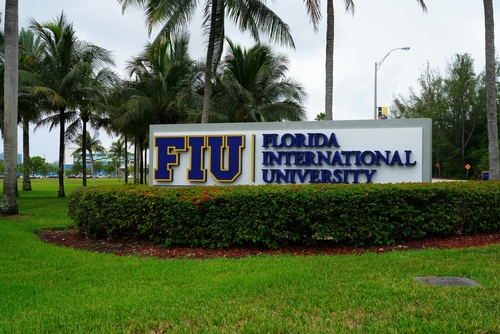
Daniel Z. Epstein FIU Interim Dean Sanctions: Judge Denies Pro Hac Vice
Summary
- Daniel Z. Epstein was appointed interim dean of Florida International University College of Law last month, despite faculty concerns and his prior elimination from the permanent dean search.
- U.S. District Judge Kathleen Williams sanctioned Epstein in July, denying his pro hac vice motions for at least one year for improperly seeking a settlement in a Trump-IRS case.
- FIU faculty are considering a call for Epstein to be placed on administrative leave due to these court battles.
- Epstein previously served as a special assistant and senior associate counsel to President Donald Trump and represented him in various legal matters.
- The appointment occurs as Florida has recently moved to allow non-ABA-accredited law school graduates to take the state bar, a change applauded by the FTC.
Controversial Appointment at FIU Law
U.S. District Judge Kathleen Williams of the Southern District of Florida imposed these sanctions in an active case involving former President Trump and the Internal Revenue Service.
Faculty members at Florida International University are expressing significant concerns following the appointment of Daniel Z. Epstein as the interim dean of the Florida International University College of Law. Epstein, who assumed the role last month, has drawn scrutiny due to his professional background and recent judicial actions against him. This appointment comes despite an earlier search committee having eliminated him from consideration for the permanent deanship.
Sources familiar with the process indicated that Epstein, a former special assistant and senior associate counsel to President Donald Trump from 2017 to 2020, was initially deemed unsuitable by the search committee. He did not advance past the first cut of 20 candidates from a pool of over 30 applicants, primarily because he was an untenured professor at St. Thomas University College of Law with no administrative experience. However, despite these initial assessments, some sources suggested that Epstein was still likely to secure the permanent dean position.
The selection process itself was unusual. After the search committee's three top recommendations were rejected, Jeanette Nuñez, who became FIU president last year at the request of Florida Governor Ron DeSantis, ultimately named a law dean not included on the committee's recommended list. This decision has fueled faculty unease, leading the FIU faculty senate steering committee to discuss a proposal to place Daniel Z. Epstein on administrative leave until his ongoing legal issues are resolved.
Judicial Sanctions and Professional Standing
A significant factor contributing to the faculty's apprehension is a series of judicial sanctions issued against Daniel Z. Epstein in July. U.S. District Judge Kathleen Williams of the Southern District of Florida imposed these sanctions in an active case involving former President Trump and the Internal Revenue Service. The judge's ruling specifically denied Epstein's motions to appear pro hac vice in the case for a period of at least one year, a critical limitation on a lawyer's ability to practice in a jurisdiction where they are not licensed.
Judge Williams further stipulated that parties involved in the litigation are prohibited from referring to, using, or citing a purported settlement agreement. Her finding was that this agreement had been "improperly sought in an attempt to gain judicial legitimacy." This pro hac vice denial for Daniel Epstein underscores the serious implications of the sanctions, directly impacting his capacity to represent clients in federal court and raising questions about his professional conduct.
Broader Context of Florida's Legal Education Landscape
Epstein's appointment and the surrounding controversy unfold against a backdrop of significant shifts in Florida's legal education and accreditation policies. In January, Florida became the second among a handful of Republican-led states to distance itself from the American Bar Association (ABA) Section of Legal Education and Admissions to the Bar. This move saw the Florida Supreme Court open the door to alternative law school accreditors, thereby allowing graduates from non-ABA-accredited institutions to sit for the state's bar examination.
The Federal Trade Commission (FTC) subsequently endorsed Florida's decision, sending a 14-page letter to the Florida Supreme Court to "applaud the amendment." This broader regulatory change, coupled with politically influenced appointments, highlights a period of flux for legal education in the state. The Florida International University College of Law, which reported 581 JD students in 2025 and an 88.34% first-time bar pass rate, now finds itself at the center of these converging professional and political currents.
Practical Implications
This case highlights the practical implications of judicial sanctions on a lawyer's professional standing, specifically the denial of pro hac vice status for improperly seeking a settlement. Lawyers should be aware that such actions can severely limit their ability to represent clients and serve as a cautionary example regarding procedural integrity and ethical conduct in litigation.
Source
Source: Original reporting via Law.com
How does this affect you?
Get an AI analysis of this article grounded in your jurisdictions, practice areas, and any policy documents you've uploaded to Wansom.
Finish Reading the Full Story and the Expert Analysis.
Wansom is AI and can make mistakes.