
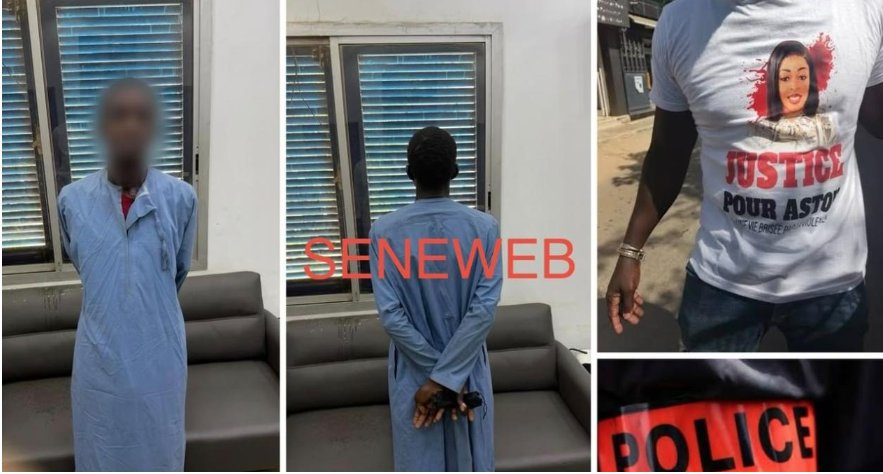
Alioune Badara Gaye: Repatriated for Sénégal Assassination Charge
Summary
- Astou Pierre, 43, died on October 1, 2026, from a pulmonary embolism after being severely burned in an acid attack on June 23, 2026.
- Alioune Badara Gaye, 39, is accused of the attack, which he reportedly confessed was due to a dispute with his pregnant ex-partner over an abortion and her social activities.
- Gaye fled to Mauritania but was arrested and repatriated to Senegal on November 3, 2026, through Interpol's international police cooperation.
- He was brought before the prosecutor on November 6, 2026, and faces charges of "assassinat" and "acte de barbarie."
- Several of Astou Pierre's colleagues were also injured during the acid attack at her workplace in Dakar.
The Attack and Its Fatal Consequences
This tragic incident, culminating in the Alioune Badara Gaye assassinat Sénégal, highlights the severe consequences of domestic disputes escalating into extreme violence.
On June 23, 2026, Astou Pierre, a 43-year-old cashier employed at the bar-restaurant Le Fourgon, became the victim of a brutal acid attack in Dakar. The incident occurred at her workplace, situated at the intersection of Amitié 3 and Liberté 4, where she was doused with a corrosive substance. The severe burns she sustained necessitated immediate hospitalization at Fann. After an initial period of treatment, Ms. Pierre was discharged and returned to her home.
However, her condition tragically deteriorated over time, leading to her re-hospitalization on September 28. Despite medical efforts, Astou Pierre succumbed to her injuries on October 1, with a pulmonary embolism identified as the cause of death. This devastating outcome transformed the initial assault into a homicide, prompting a more serious investigation into the actions of Alioune Badara Gaye, the 39-year-old plasterer from Derklé accused of the crime. Several of Ms. Pierre's colleagues present at the establishment were also injured by the corrosive liquid during the attack.
International Pursuit and Arrest
Following the heinous assault, Alioune Badara Gaye fled Senegal, seeking refuge in Mauritania. The gravity of the Astou Pierre acid attack Dakar case necessitated an international response to ensure justice. An official request for international assistance was issued on October 13, initiating a cross-border manhunt.
Through robust Interpol coopération policière Sénégal, authorities successfully located and apprehended Mr. Gaye in Mauritania. This collaborative effort demonstrates the critical role of international law enforcement agencies in pursuing individuals who attempt to evade justice by crossing national borders. On November 3, Mr. Gaye was repatriated to Senegal and subsequently handed over by the BCN Interpol of Dakar to the Dieuppeul police station, which was tasked with leading the investigation into the meurtre acide Dieuppeul.
Legal Proceedings and Grave Charges
The Dieuppeul police station meticulously compiled the case file, which was then formally transmitted to the Senegalese justice system. On Friday, November 6, 2026, Alioune Badara Gaye was brought before the prosecutor, facing severe Alioune Badara Gaye charges. He is currently being prosecuted for both assassinat and acte de barbarie, reflecting the extreme nature of the crime and the suffering inflicted upon the victim.
During his 96-hour period in police custody, Mr. Gaye reportedly admitted his culpability, according to reports from Seneweb and Rewmi. He attributed his actions to a dispute with Astou Pierre, his former partner, who was pregnant with his child and had decided to terminate the pregnancy against his wishes. He also cited anger over her social activities at the bar La Rose as a contributing factor to his violent outburst. Mr. Gaye now awaits the formal opening of a judicial inquiry and a potential indictment by an investigating judge, marking the next critical phase in the legal process for this Alioune Badara Gaye assassinat Sénégal case.
Why It Matters
This tragic incident, culminating in the Alioune Badara Gaye assassinat Sénégal, highlights the severe consequences of domestic disputes escalating into extreme violence. The charges of assassinat and acte de barbarie Sénégal underscore the legal system's commitment to addressing such heinous crimes with the utmost gravity, particularly when a victim's death results from a prolonged period of suffering following an initial assault. The application of these charges in this context sets a significant precedent for similar cases involving severe domestic violence.
Furthermore, the successful apprehension and repatriation of Alioune Badara Gaye through Interpol coopération policière Sénégal serves as a powerful testament to the effectiveness of international collaboration in law enforcement. It sends a clear message that individuals cannot escape justice by fleeing across borders, reinforcing the reach and determination of legal systems to hold perpetrators accountable. This case, therefore, carries substantial weight, not only for the victim's family but also for the broader legal and social landscape in Senegal, emphasizing the importance of robust legal frameworks and international partnerships in combating violent crime.
Practical Implications
For criminal lawyers in Senegal, this case illustrates the application of 'assassinat' and 'acte de barbarie' charges in severe domestic violence contexts where the victim's death is a delayed consequence of the initial assault. It also highlights the effectiveness of international police cooperation through Interpol in apprehending suspects who flee across borders, providing a precedent for similar cross-jurisdictional criminal pursuits.
Source
How does this affect you?
Get an AI analysis of this article grounded in your jurisdictions, practice areas, and any policy documents you've uploaded to Wansom.
Wansom is AI and can make mistakes.