
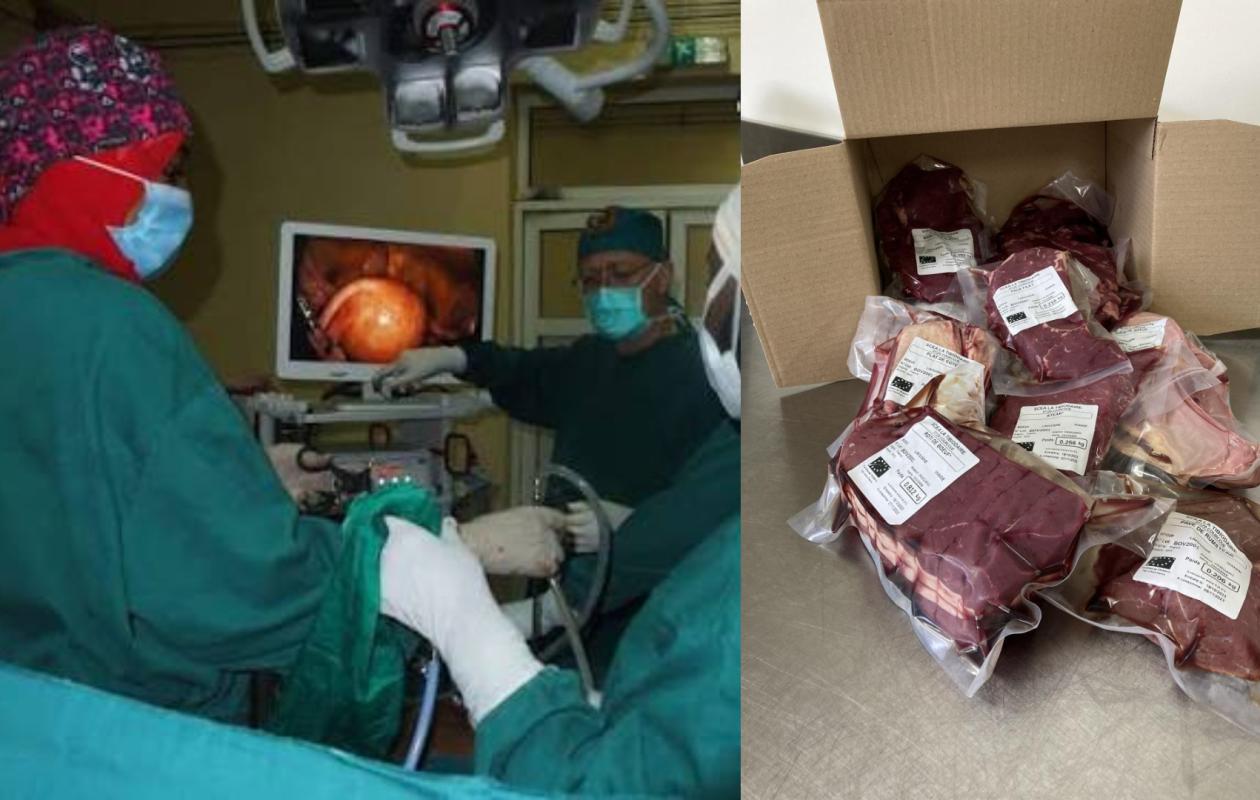
Senegal: Dakar Imported Meat Deaths Investigation Launched
Summary
- Four individuals have died and five are in a coma following a meal among friends at a hotel in Dakar.
- The meat consumed during the gathering reportedly originated from the United States, according to local media.
- A judicial inquiry has been launched to determine the circumstances, and autopsies have been ordered for the deceased.
- The package containing the meat was initially held at the airport for phytosanitary controls before its entry into Senegal was authorized.
- An alternative theory suggesting intoxication linked to a food supplement was also considered but did not gain unanimous acceptance.
Tragic Incident Unfolds in Dakar
The tragic events in Dakar highlight the paramount importance of stringent food safety compliance and thorough supply chain due diligence for all entities involved in importing food products into Senegal.
A social gathering among friends at a hotel situated along Dakar's scenic Corniche has culminated in a devastating outcome, with four individuals confirmed deceased and five others currently in a coma. The severity of the situation escalated on Monday when two additional participants succumbed to their conditions, bringing the total number of fatalities to four. Among those who attended the ill-fated meal were Adama Salif Diallo and Abdou Tidiane Diop.
The central focus of the ongoing investigation revolves around a meal that included meat, which has been identified as a potential factor in the severe health crisis experienced by the attendees. This tragic incident has cast a somber shadow over the community, prompting urgent calls for clarity and accountability regarding the circumstances that led to such a profound loss of life and widespread illness.
Judicial Inquiry Initiated Amidst Uncertainty
In response to the grave incident, Senegalese authorities have promptly launched a comprehensive judicial inquiry. This investigation aims to meticulously ascertain the precise circumstances surrounding the deaths and severe illnesses that followed the gathering in Dakar. As a critical component of this legal process, autopsies have been formally mandated for the deceased individuals, a crucial step to determine the exact cause of death and provide definitive medical evidence.
Reports from prominent local media outlets, including Le Quotidien and Seneweb, indicate that the meat consumed during the gathering reportedly originated from the United States. However, these same reports prudently caution that merely identifying the geographical source of the meat does not, at this preliminary stage, establish a definitive causal link to the fatalities or the widespread Dakar food poisoning. An alternative hypothesis, suggesting a possible intoxication alimentaire linked to a food supplement, was also briefly considered, though this theory did not garner unanimous acceptance among those involved in the early stages of the inquiry. The ongoing judicial inquiry Dakar deaths investigation is tasked with sifting through these possibilities to provide conclusive answers.
Scrutiny on Imported Food and Phytosanitary Controls
The tragic incident has inevitably brought into sharp focus the regulatory processes governing the import of food products into Senegal, particularly concerning the specific package containing the meat under investigation. It has been revealed that the consignment was initially subjected to detention at the airport for phytosanitary controls. This is a standard and essential procedure designed to ensure the safety, quality, and compliance of imported goods with national health standards.
Despite this initial scrutiny and the application of phytosanitary measures, the package subsequently received official authorization for entry into Senegalese territory. This sequence of events underscores the inherent complexities of international food supply chains and highlights the critical role of robust regulatory oversight at every stage. The judicial inquiry will undoubtedly examine the specifics of these controls and the authorization process in detail as part of its broader scope, especially given the potential for Senegal meat contamination.
Implications for Food Safety and Due Diligence
The tragic events in Dakar serve as a profound and urgent reminder of the paramount importance of stringent food safety compliance and thorough supply chain due diligence for all entities involved in importing food products into Senegal. This incident underscores that even with established regulatory frameworks and controls, vulnerabilities can persist, potentially leading to severe and irreversible consequences for public health.
For businesses operating in the food import sector and for legal professionals advising them, the ongoing judicial inquiry into the Dakar imported meat deaths investigation presents a crucial and high-stakes case study. Lawyers should closely monitor the proceedings for any indications of product liability claims or potential regulatory enforcement actions. Particular attention will be paid to the efficacy and integrity of phytosanitary controls and the comprehensive traceability of product origin, which are fundamental aspects of ensuring public health and preventing future incidents of food poisoning. The ultimate outcome of this inquiry could significantly influence future import regulations and compliance requirements, emphasizing the critical need for robust safeguards against contamination.
Practical Implications
This incident highlights the critical importance of robust food safety compliance and supply chain due diligence for businesses importing food products into Senegal. Lawyers should monitor the judicial inquiry for potential product liability claims or regulatory enforcement actions, especially concerning phytosanitary controls and origin tracing.
Source
How does this affect you?
Get an AI analysis of this article grounded in your jurisdictions, practice areas, and any policy documents you've uploaded to Wansom.
Finish Reading the Full Story and the Expert Analysis.
Get the latest legal & regulatory intelligence in Senegal
Wansom is AI and can make mistakes.