
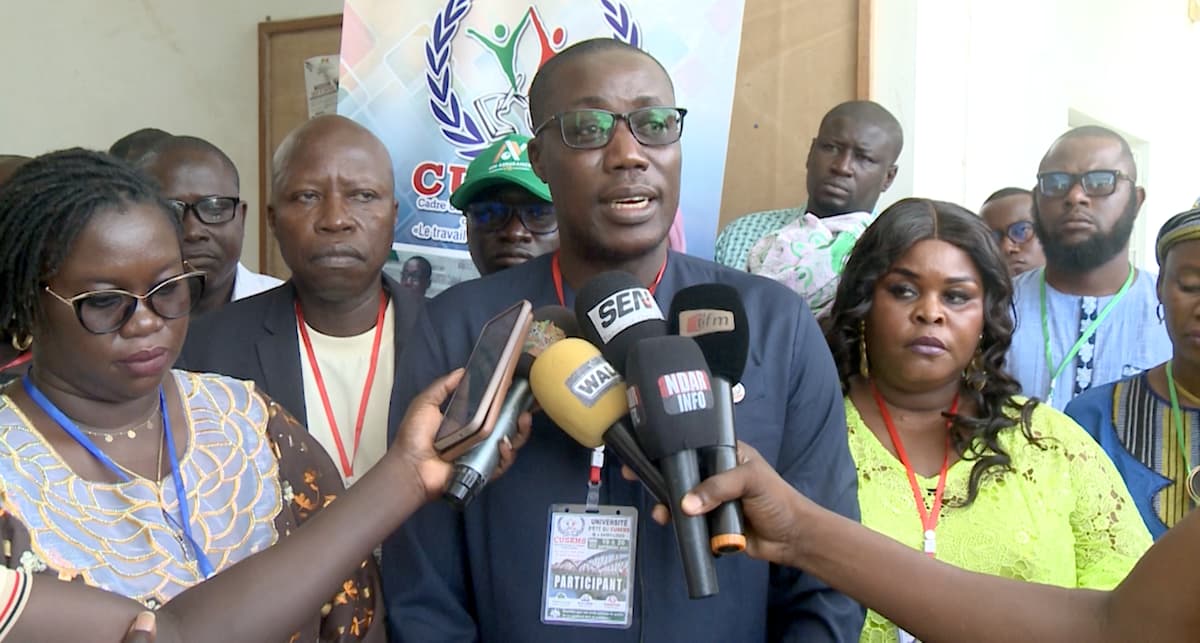
CUSEMS Sénégal: Accord 16 Avril Non-Respecté, Enseignants Alertent
Summary
- The CUSEMS teachers' union in Saint-Louis warns of a difficult academic year due to the government's failure to implement commitments from the April 16 accord.
- Key grievances include salary deductions ranging from 50,000 to 300,000 CFA francs for striking teachers and stalled progress on a remuneration system inquiry.
- The G7 inter-union in Diourbel has launched its fifth action plan, echoing demands for corrected remuneration, an end to abusive deductions, and digitalization of services.
- National exam correctors and decision-making teachers also face delays in payments and reclassification, complicating the establishment of promised one-stop service centers.
- Union leaders warn that continued government inaction could lead to a renewed hardening of the union front and potential paralysis of the school system.
Escalating Tensions Over Unfulfilled Accord
The current impasse carries significant implications for the stability of Senegal's education sector.
The CUSEMS teachers' union in Saint-Louis has issued a stark warning regarding the upcoming academic year, citing significant delays in the government's adherence to commitments made in a key agreement. Union representatives emphasize that this is not merely a threat but a reflection of current realities, attributing potential difficulties to the state's inaction. Following a meeting to assess progress, union leaders reported widespread disappointment among educators.
The core of the CUSEMS ultimatum revolves around the full implementation of clauses outlined in a protocol signed on April 16 at the Primature. This crucial accord was the culmination of several months of intense strike action and approximately twenty hours of continuous negotiations, aimed at resolving long-standing grievances. However, the current unrest is primarily fueled by ongoing salary deductions imposed on striking teachers, with amounts ranging from 50,000 to 300,000 CFA francs.
El Hadji Malick Youm of the SAEMS union has publicly condemned these deductions as excessive, suggesting they could equate to five to seven days' worth of pay. Similarly, Amidou Diédhiou from the SELS union expressed shared sentiments of injustice regarding these withholdings, as unions continue to press for the government to honor its commitments. A diagnostic inquiry into the remuneration system, which was slated for completion in August with findings presented by the end of September, has also stalled, with representative organizations reporting they have yet to receive the terms of reference, identify the selected firm, or ascertain the ministerial department responsible for its oversight.
Broader Union Discontent and Legal Implications
The dissatisfaction extends beyond Saint-Louis, with the G7 inter-union of teachers in Diourbel launching its fifth action plan to demand compliance with agreements initially signed in 2022. Modou Thiam, spokesperson for the G7, has accused authorities of displaying contempt, employing dilatory tactics, and engaging in denigration. The demands articulated by the G7 align closely with concerns raised in Saint-Louis, encompassing the correction of the remuneration system, an end to what they term abusive salary deductions, and the digitalization of administrative services.
Further compounding the situation, correctors for national examinations are still awaiting payment of their compensation, despite the exams concluding at the end of July. Additionally, decision-making teachers continue to face delays in securing the necessary project numbers required for their reclassification and career advancements. These systemic blockages are hindering the establishment of promised one-stop service centers, exacerbating the frustration among educators. The persistent issue of ponctions salariales enseignants Sénégal, particularly after a signed accord, raises significant questions about the government's adherence to collective bargaining principles and droit du travail Sénégal syndicats.
The ongoing disputes highlight critical labor law and collective bargaining issues in Senegal, particularly concerning the enforcement of agreements between unions and the government, and the legality of salary deductions for striking workers. The repeated calls for respect for the Protocole d'accord 16 avril Sénégal and earlier 2022 agreements underscore a fundamental breakdown in trust and compliance, with potential legal ramifications for all parties involved.
Looming Crisis for Senegal's Education System
The current impasse carries significant implications for the stability of Senegal's education sector. Aliou Diouf has warned that if the government maintains its current stance, teacher unions will be left with no alternative but to "dig up the hatchet," signaling a return to more aggressive industrial action. The proliferation of action plans across various regions and the continued application of salary deductions are creating a volatile environment.
This situation risks a renewed hardening of the union front, potentially leading to widespread school paralysis. The CUSEMS Sénégal accord 16 avril was intended to bring stability after a period of intense grève enseignants Sénégal 2023, but its perceived non-implementation threatens to reignite widespread disruption. The government's ability to honor its commitments and address the grievances of its teaching staff will be crucial in averting a full-blown crisis that could severely impact students and the national academic calendar.
Practical Implications
This situation highlights critical labor law and collective bargaining issues in Senegal, particularly concerning the enforcement of agreements between unions and the government, and the legality of salary deductions for striking workers. Lawyers advising educational institutions, government bodies, or unions should assess compliance risks related to existing agreements, prepare for potential litigation over alleged breaches or unlawful deductions, and anticipate significant disruptions to public services.
Source
Source: Original reporting via ndarinfo
How does this affect you?
Get an AI analysis of this article grounded in your jurisdictions, practice areas, and any policy documents you've uploaded to Wansom.
Finish Reading the Full Story and the Expert Analysis.
Get the latest legal & regulatory intelligence in Senegal
Wansom is AI and can make mistakes.