
Cross River Environmental Accountability: NGOs Empower Fishers
Summary
- Fishers in Cross River are reporting declining catches, polluted waters, and disappearing mangroves.
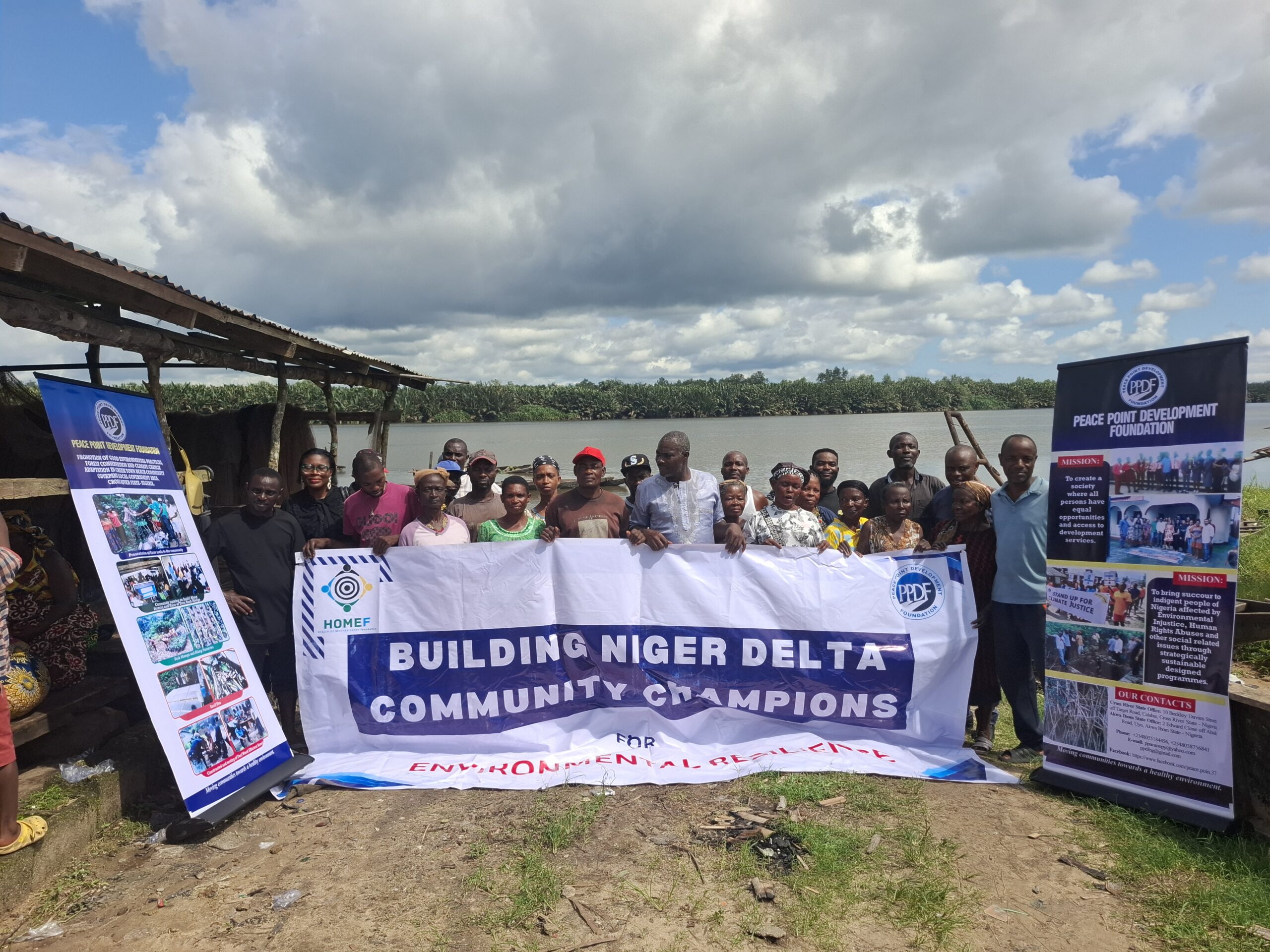
- The Peace Point Development Foundation and Health of Mother Earth Foundation are training local community members.
- This training focuses on documenting environmental threats, defending rights, and demanding accountability.
Community Concerns Emerge in Cross River
This development indicates a heightened risk of environmental litigation and regulatory scrutiny for companies operating in Cross River.
Local fishers residing in Nigeria's Cross River region are voicing significant concerns regarding the degradation of their aquatic environment. They specifically highlight a noticeable decline in their fish catches, the increasing contamination of local waters, and the steady disappearance of vital mangrove ecosystems. These environmental shifts directly impact their livelihoods and traditional way of life, raising alarms about the long-term sustainability of their communities.
The reported issues, particularly the Cross River mangrove pollution, underscore a broader ecological crisis. Mangroves serve as crucial breeding grounds for fish and act as natural barriers against coastal erosion, making their decline a serious threat to both biodiversity and community resilience. The fishers' observations paint a stark picture of environmental deterioration that demands immediate attention and robust intervention to protect the natural resources upon which these communities depend.
Empowering Local Advocacy for Environmental Justice
In response to these escalating environmental challenges, two prominent non-governmental organizations, the Peace Point Development Foundation (PPDF) and the Health of Mother Earth Foundation (HOMEF), have initiated a program to empower local residents. These organizations are actively engaged in training community members, equipping them with the necessary skills to systematically document environmental threats, assert their fundamental rights, and effectively demand accountability from responsible parties. This initiative aims to foster a grassroots movement for environmental justice Nigeria.
By providing training in documentation and rights advocacy, PPDF and HOMEF are strengthening the capacity of fishers and other community members to become active participants in environmental governance. This empowerment is critical for ensuring that local voices are heard and that their experiences of environmental degradation are formally recognized and addressed. The focus on defending rights and demanding accountability signals a strategic shift towards more proactive community-led enforcement of environmental standards.
Heightened Scrutiny for Environmental Accountability
This development indicates a heightened risk of environmental litigation and regulatory scrutiny for companies operating in Cross River. The organized efforts by community groups, supported by organizations like the Peace Point Development Foundation and Health of Mother Earth Foundation, to document threats and demand accountability, signify a more assertive stance from local populations. This proactive approach by communities could lead to increased legal challenges and demands for compensation related to environmental damage, emphasizing the critical need for robust Nigeria environmental law compliance.
For businesses and industries operating within the region, this underscores the growing importance of Cross River environmental accountability. Legal and compliance teams should proactively assess their environmental impact and community relations to mitigate potential disputes. The empowerment of local fishers to defend their community rights in Nigeria and document environmental threats creates a more challenging operating environment for entities that do not adhere to stringent environmental protection standards, potentially leading to significant legal and reputational consequences.
Practical Implications
This development indicates a heightened risk of environmental litigation and regulatory scrutiny for companies operating in Cross River, as community groups are being empowered to document threats and demand accountability. Legal and compliance teams should proactively assess environmental impact and community relations to mitigate potential disputes.
Source
How does this affect you?
Get an AI analysis of this article grounded in your jurisdictions, practice areas, and any policy documents you've uploaded to Wansom.
Finish Reading the Full Story and the Expert Analysis.
Get the latest legal & regulatory intelligence in Nigeria
Wansom is AI and can make mistakes.