
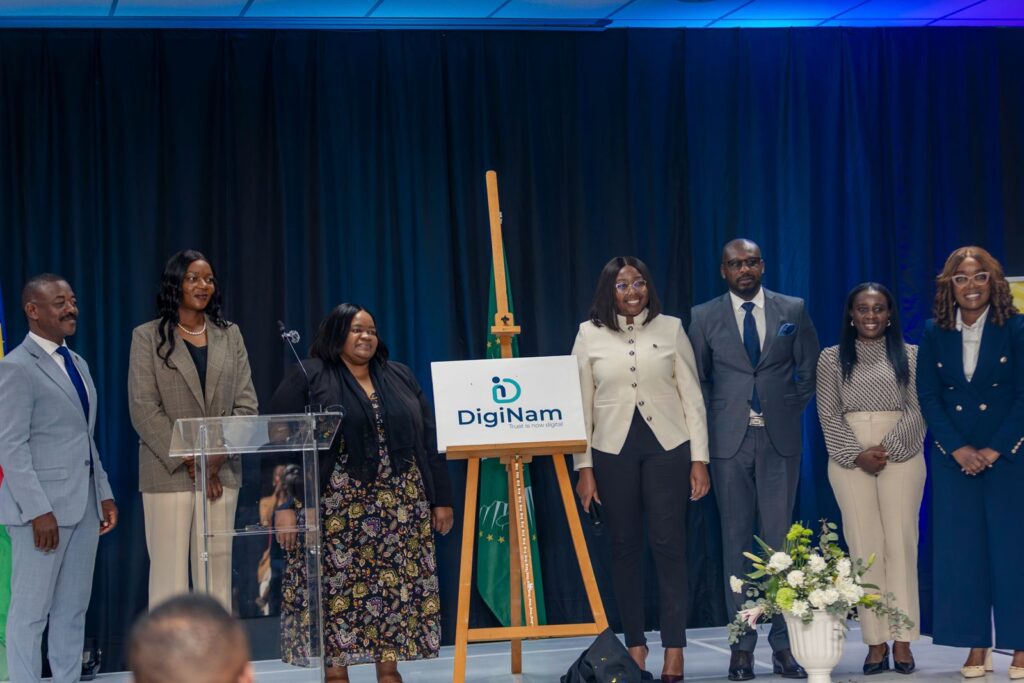
Cran Launches DigiNam: Namibia Adopts Digital Signatures, Verified IDs
The Communications Regulatory Authority of Namibia (CRAN) recently launched a new digital trust system, DigiNam, in Windhoek, enabling Namibians to use verified digital identities and electronic signatures for online document signing and service access.
CRAN introduced DigiNam, a system specifically designed to facilitate the use of verified digital identities and electronic signatures. This initiative aims to allow individuals and entities in Namibia to sign documents and access various services online, thereby streamlining digital interactions. According to CRAN spokesperson Mufaro Nesongano, DigiNam is intended to enhance trust and efficiency in online transactions. The launch event for this significant digital infrastructure occurred in Windhoek on a Monday, marking a pivotal moment for digital transformation in the country.
This development holds substantial legal significance, as it represents a practical implementation of the legal recognition of electronic transactions and signatures. For legal professionals, it underscores the increasing enforceability and validity of electronic signatures and digital identities across various sectors, from commercial contracts to public administration. The system is poised to reduce reliance on physical documentation, accelerate business processes, and enhance accessibility to services. However, it also introduces critical considerations regarding data security, the integrity of authentication protocols, and the legal evidentiary weight of digitally signed documents in different legal contexts, requiring careful attention to compliance and risk management.
The legal framework underpinning electronic transactions and signatures in Namibia is primarily established by the Electronic Transactions Act, 2001 (Act No. 14 of 2001). This Act provides for the legal recognition of electronic communications, data messages, and electronic signatures, aiming to facilitate electronic commerce and government services. CRAN, as the regulatory body for communications, is instrumental in operationalising the principles of this Act through initiatives like DigiNam, potentially issuing accompanying regulations or technical standards to govern the use, verification, and security of these digital identities and signatures. The key parties involved are CRAN, its spokesperson Mufaro Nesongano, and the Namibian public and businesses who will be the end-users of this new digital trust system.
Attorneys must thoroughly familiarise themselves with the technical and legal specifications of the DigiNam system and any associated regulations or guidelines issued by CRAN. They should proactively advise clients on the proper use, legal implications, and security requirements pertaining to electronic signatures and digital identities, ensuring full compliance with the Electronic Transactions Act, 2001, and any new directives. This includes understanding the evidentiary value of digital signatures in litigation, the necessary security measures to prevent fraud, and potential liabilities arising from their misuse. Businesses should review and update their internal processes for document execution and consider integrating digital signing solutions that align with DigiNam's standards to ensure legal validity and operational efficiency.
How does this affect you?
Get an AI analysis of this article grounded in your jurisdictions, practice areas, and any policy documents you've uploaded to Wansom.
Finish Reading the Full Story and the Expert Analysis.
Wansom is AI and can make mistakes.