
Courthouse News Essay: No Specific Legal Development in Columbus Film Interruption
Summary
- In 1991, the author inadvertently ran through a film set on the Grand Canyon's North Rim, disrupting a movie depicting a battle between Spaniards and Indigenous people for the 1992 Columbus quincentennial.
- The author, running an eight-mile daily routine, maintained a 6:40-minute-per-mile pace directly through the staged conflict without stopping.
- Subsequent research in 1992 revealed the interrupted film was widely considered the worst of the Columbus-themed releases.
- The author also recounted a Thanksgiving Day visit to an Indigenous family on the "rez," where a boy named José playfully tried to get the author to ride a nervous, unbroken horse.
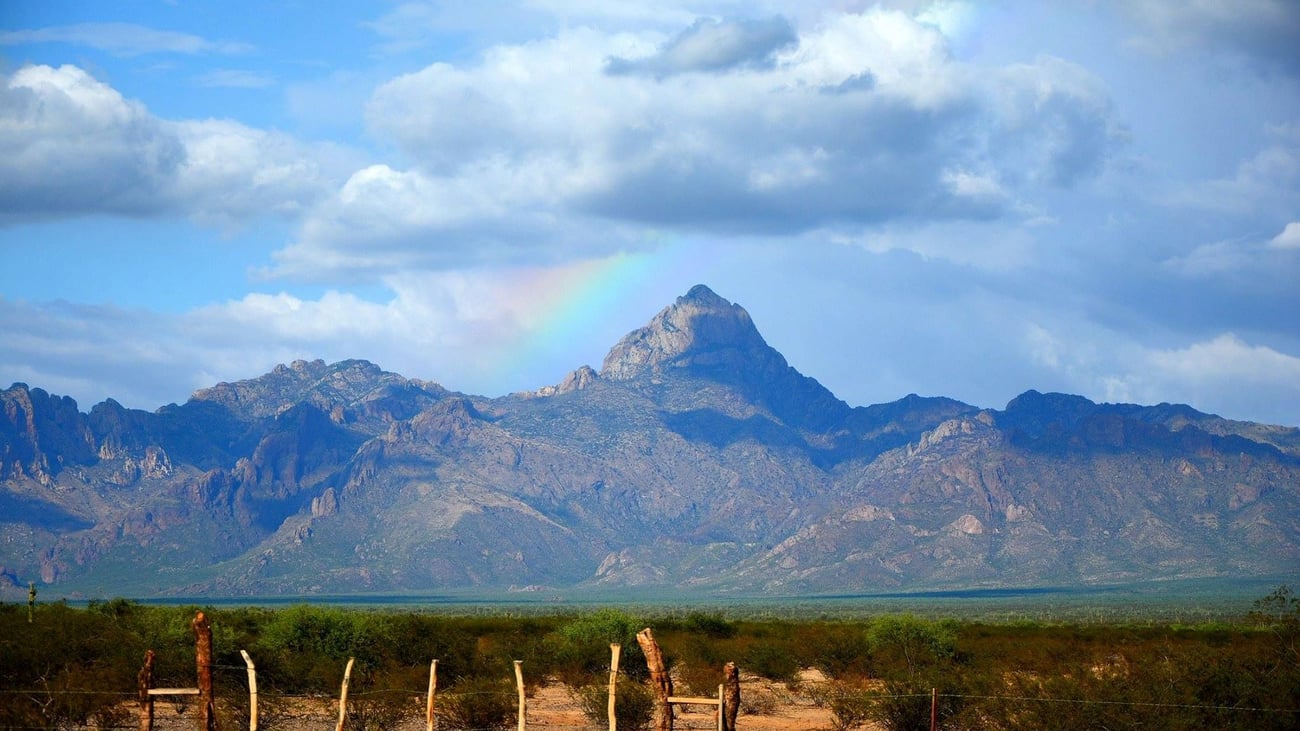
- Baboquivari Peak, sacred to the Tohono O’odham, is mentioned as a significant cultural landmark.
An Unexpected Encounter on the North Rim
The casual appropriation of a natural landscape for a poorly conceived film about European conquest stands in stark contrast to the profound spiritual significance of places like Baboquivari Peak for the Tohono O’odham.
In 1991, as the 500th anniversary of Christopher Columbus's 1492 voyage approached, at least three film studios were actively producing movies slated for release the following year to commemorate the quincentennial. While the author never viewed any of these cinematic productions, a unique personal experience led to an unwitting interruption of one such film shoot. This incident unfolded during a camping trip on the Grand Canyon's North Rim, a location the author found less impressive for its views compared to the South Rim, despite its more challenging accessibility and fewer tourist crowds.
It was this relative seclusion that likely attracted a movie company to stage a historical battle sequence in a remote vale on the North Rim. The scene depicted "iron-clad, spear-carrying Spaniards" engaging in combat with "half-naked Indians." The author, adhering to a daily routine of an eight-mile run, was clad in shorty-shorts, no top, with a ponytail secured by a beaded hairband received from an Indigenous student. Approaching the film set from the east, running parallel to the rim, the natural topography of gentle swales on either side concealed the ongoing production until the author crested a rise.
Upon descending into the vale, the author encountered the full spectacle: white men in period armor and helmets, wielding spears, bows, and arrows, accompanied by two to four horses adorned with armor over colorful blankets, confronting a group of nearly nude Indigenous actors who were shaking their fists and vocalizing at the Spaniards. Undeterred and focused on completing the daily run, the author maintained a 6:40-minute-per-mile pace, striding directly through the staged conflict, effectively dividing the "armies." The author departed the scene without hearing any directorial command to "Cut!" Subsequent research conducted in 1992 revealed that the specific film inadvertently interrupted was widely considered the poorest of the Columbus-themed releases, garnering exceptionally negative reviews. The author humorously speculated that the unscripted interruption might have constituted the film's best, albeit unincluded, scene.
Cultural Reflections and a Thanksgiving Day Visit
The broader cultural context surrounding Indigenous communities is subtly woven into the author's narrative, notably through the mention of Baboquivari Peak, a site held sacred by the Tohono O’odham people, visible from the village of South Komelic. This connection underscores the deep historical and spiritual ties Indigenous groups maintain with their ancestral lands, a stark contrast to the superficial portrayals sometimes seen in media. The author's personal engagement with these communities is further highlighted by a Thanksgiving Day visit to a family on the "rez," many of whose children the author had previously taught or coached.
On this formal occasion, the author wore traditional running shorts, a ponytail, a headband, and a T-shirt, reflecting a blend of personal routine and respect for the gathering. While seated under a "huato" with the family, engaged in conversation, the middle son, José, arrived on a young, energetic horse, riding bareback. The author, despite limited equestrian knowledge, immediately recognized the horse's nervous disposition and untamed nature.
José dismounted and attempted to hand the reins to the author, inviting, "Try it, Kahn." The surrounding siblings struggled to suppress their amusement, while their mother, a respected figure and one of the author's cherished acquaintances, remained unsmiling. The author politely declined, stating, "No, man." José persisted, with the horse fidgeting and pawing the ground, reiterating, "Come on, you’ll like it," and then, "Come on, Kahn, it’s easy." This interaction paints a vivid picture of community life and the author's personal relationships within the Indigenous setting.
The Enduring Legacy of Portrayals
The author's two distinct anecdotes, one involving a staged historical reenactment and the other a genuine cultural exchange, collectively illuminate the complex relationship between historical representation and lived Indigenous experience. The casual appropriation of a natural landscape for a poorly conceived film about European conquest stands in stark contrast to the profound spiritual significance of places like Baboquivari Peak for the Tohono O’odham. The cinematic depiction of "half-naked Indians" shaking fists offers a superficial and potentially demeaning portrayal, far removed from the nuanced reality of Indigenous life and community bonds.
The personal encounter with José and his unbroken horse on Thanksgiving Day provides a grounded, authentic glimpse into an Indigenous community. This interaction, characterized by familial warmth, playful teasing, and a respectful understanding of boundaries, offers a counter-narrative to the often-stereotypical representations found in mainstream media. It highlights the importance of direct engagement and personal relationships in fostering genuine appreciation for Indigenous cultures, rather than relying on historical dramatizations that may lack accuracy or sensitivity. The author's unique position, moving between these two worlds, underscores the ongoing challenge of ensuring that Indigenous stories and experiences are told with integrity and respect.
Source
How does this affect you?
Get an AI analysis of this article grounded in your jurisdictions, practice areas, and any policy documents you've uploaded to Wansom.
Finish Reading the Full Story and the Expert Analysis.
Get the latest legal & regulatory intelligence in United States
Wansom is AI and can make mistakes.