
COUD Restaurant Operators: Unpaid Invoices Halt Senegal Reopening
Summary
- Five university restaurant operators serving COUD have announced they will not reopen their facilities until outstanding invoices are paid.
- The operators cite a lack of a formal payment schedule, months of pre-financing services, and increased supply costs leading to an economic imbalance.
- Their unified position was communicated to COUD management on October 5th, impacting the scheduled October 14th reopening.
- The dispute has already led to student protests, paralysis of the social campus, and disruption of academic activities at UCAD.
- COUD has not yet publicly addressed its stance on the unpaid invoices or proposed payment solutions, despite the looming university re-entry on October 15th.
University Restaurant Operators Halt Services
The situation illustrates the legal risks inherent in public procurement contracts, particularly when payment terms are unclear or unenforced, potentially leading to a rupture de contrat services universitaires.
Five university restaurant operators serving the Centre des Œuvres Universitaires de Dakar (COUD) have declared they will not resume operations until their outstanding invoices are settled. This decision directly impacts the upcoming academic year at the Université Cheikh Anta Diop (UCAD), with the scheduled reopening of these facilities on October 14th, just one day before the university's official re-entry.
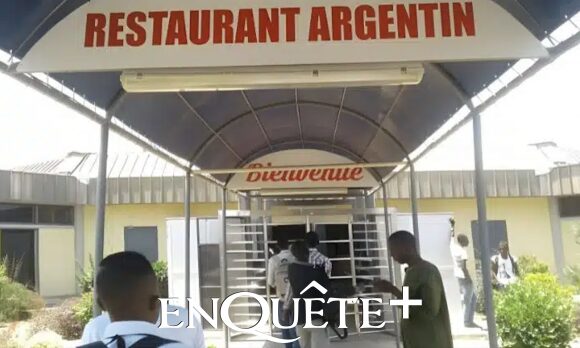
The operators, responsible for the Central, Argentin, Self, ESP, and Fastef restaurants, formally communicated their unified stance to COUD management on October 5th. This collective decision followed a coordination meeting held at COUD on October 2nd, which focused on preparations for the resumption of services. Their position underscores a significant dispute regarding COUD restaurant operators unpaid invoices Senegal, highlighting a critical challenge in public service provision.
Financial Grievances and Economic Imbalance
The operators' refusal to reopen stems from a lack of clarity regarding their financial remuneration. They report not having received a formalized payment schedule for their accumulated debts, creating substantial operational difficulties. Without predictable payment visibility, these businesses struggle to manage their cash flow, negotiate effectively with suppliers, and secure necessary financing to sustain their operations.
For several months, the operators assert, they have been pre-financing the services provided to COUD, covering essential expenses such as salaries, supplier payments, social contributions, and bank loan repayments. Compounding these challenges, they have also faced a significant increase in supply costs, with multiple product categories experiencing price hikes. To substantiate this, they included a table detailing raw material purchase prices in their communication. This situation, they argue, has led to an economic imbalance that they can no longer absorb independently, emphasizing the severity of the factures impayées COUD UCAD. They are seeking a concrete, secure, and immediate resolution, clarifying that their actions are not intended to harm students or public service, but rather to address their unsustainable financial position.
Broader Disruptions and Contractual Implications
The ongoing dispute between the Centre des Œuvres Universitaires de Dakar (COUD) and its restaurant service providers has immediate and far-reaching consequences beyond the financial realm. Students, now deprived of access to these essential dining facilities, are compelled to urgently reorganize their meal arrangements. This disruption has already sparked a protest movement that has, since recently, paralyzed the social campus, leading to significant disturbances in academic activities.
The situation illustrates the legal risks inherent in public procurement contracts, particularly when payment terms are unclear or unenforced, potentially leading to a rupture de contrat services universitaires. The operators' claims of pre-financing services and facing an economic imbalance due to rising costs highlight the importance of robust clauses addressing economic equilibrium and force majeure in such agreements. With the Université Cheikh Anta Diop's (UCAD) re-entry set for October 15th and second-session exams at the Faculty of Sciences and Techniques continuing until October 24th, the unresolved Université Cheikh Anta Diop restaurant dispute threatens to severely impact the organization of university life and the academic calendar in Sénégal. COUD has not yet publicly stated its position on the unpaid invoices or proposed payment modalities, leaving a critical void in the resolution process.
Practical Implications
This case illustrates the legal risks associated with public procurement contracts where payment terms are unclear or unenforced, potentially leading to service disruption and contractual disputes. Lawyers advising public entities or service providers should review existing contracts for robust payment clauses and dispute resolution mechanisms, especially concerning economic equilibrium and force majeure provisions.
Source
Source: Original reporting via EnQuête+
How does this affect you?
Get an AI analysis of this article grounded in your jurisdictions, practice areas, and any policy documents you've uploaded to Wansom.
Finish Reading the Full Story and the Expert Analysis.
Get the latest legal & regulatory intelligence in Senegal
Wansom is AI and can make mistakes.