
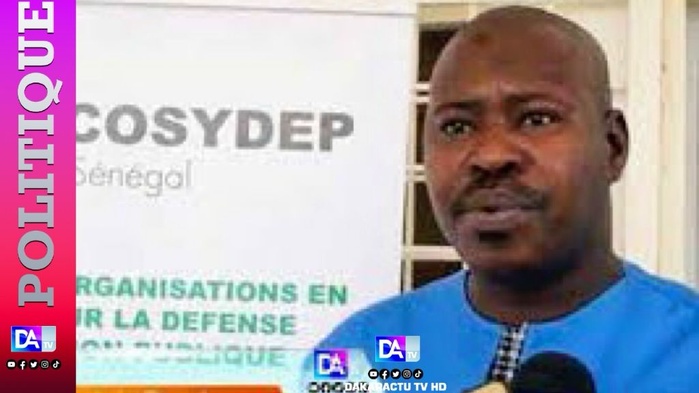
COSYDEP Calls for New Education Legal Framework in Senegal
In Senegal, the Coalition des Organisations en Synergie pour la Défense de l’Education Publique (COSYDEP) has called for a comprehensive overhaul of the normative framework governing education, specifically requesting a new education orientation law, a Children's Code, and clearer provisions for compulsory schooling, as part of the 2026 General Policy Statement.
This initiative by COSYDEP highlights significant gaps in Senegal's current education legislation and signals a potential wave of legislative reform. For legal practitioners, particularly those involved in public law, human rights, child protection, and education policy, this represents a critical opportunity to engage with forthcoming legislative processes. Businesses operating in sectors related to education technology, infrastructure development, or social services may also face new regulatory requirements or opportunities. The emphasis on inclusion, digital transformation, and climate change also suggests a forward-looking approach that could influence future public procurement and investment, requiring legal counsel to adapt to evolving regulatory landscapes.
Senegal's legal framework for education is currently anchored by the 1991 Orientation Law, modified in 2004. COSYDEP's call for a new law indicates that this existing legislation is deemed insufficient to address contemporary challenges such as demographic shifts, the digital revolution, artificial intelligence, climate change, and the evolving labor market. The proposed Children's Code would likely build upon or integrate with existing child protection laws and international conventions ratified by Senegal, such as the Convention on the Rights of the Child. The concept of "obligation scolaire" (compulsory schooling) is fundamental, and its redefinition would involve clarifying state responsibilities under the Constitution of Senegal, which guarantees the right to education, and potentially impact administrative law regarding local government and ministerial duties. The legislative process for such reforms would typically involve the Ministry of National Education, the National Assembly, and public consultations.
The primary actor is the Coalition des Organisations en Synergie pour la Défense de l’Education Publique (COSYDEP), an influential advocacy group focused on public education. The implicit key parties are the Senegalese government, particularly the Ministry of National Education, and the National Assembly, which would be responsible for drafting and enacting any new legislation. Other significant stakeholders include various civil society organizations, educators, parents, and children themselves, whose rights and interests are at the core of these proposed reforms.
Attorneys should closely monitor legislative developments emanating from the 2026 General Policy Statement, particularly any draft bills related to education reform or a new Children's Code. Understanding the proposed changes to compulsory schooling, teacher recruitment, infrastructure, and special provisions for vulnerable children will be crucial for advising clients in the education sector, NGOs, and businesses involved in public-private partnerships. Engaging with public consultations or submitting expert opinions during the legislative process could be beneficial for shaping the final legislation and ensuring client interests are represented.
How does this affect you?
Get an AI analysis of this article grounded in your jurisdictions, practice areas, and any policy documents you've uploaded to Wansom.
Finish Reading the Full Story and the Expert Analysis.
Wansom is AI and can make mistakes.