
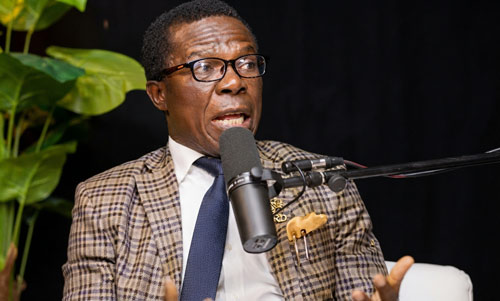
Cosmas Maduka: Plateau Invoice Inflation Cost Firm Contract
Summary
- Prominent Nigerian businessman Dr. Cosmas Maduka alleged that officials from a former Plateau State administration demanded he inflate vehicle invoices from ₦40 million to ₦80 million.
- Maduka's company reportedly lost the contract because it refused to comply with the demand for invoice padding.
- The businessman indicated that his firm's policy of transparent pricing often deters federal lawmakers, including Senators and House of Assembly members, from purchasing vehicles from them.
- The incident highlights ongoing corruption risks within Nigerian public procurement, particularly concerning state-level contracts.
Allegations of Procurement Irregularities
For companies operating in Nigeria, such incidents serve as a stark reminder of the critical need for robust anti-bribery and corruption (ABC) compliance programs.
Prominent Nigerian entrepreneur, Dr. Cosmas Maduka, has recently brought to light serious allegations concerning public procurement practices within a past administration of Plateau State. Dr. Maduka, a well-known figure in the business community, recounted an incident where officials from the state government allegedly pressured his company to significantly inflate the value of invoices for vehicles it was contracted to supply. This demand for Cosmas Maduka Plateau invoice inflation ultimately led to his firm losing the lucrative contract.
According to Dr. Maduka's account, the request involved doubling the stated price of vehicles. Specifically, his company was asked to present invoices reflecting a value of ₦80 million for vehicles that were actually priced at ₦40 million. This substantial discrepancy points to a clear attempt at Plateau State government over-invoicing, a practice that diverts public funds and undermines fiscal integrity. The businessman clarified that these demands originated not from the current leadership in Plateau State, but from the administration that preceded it, shedding light on potential Maduka former Plateau governor corruption during that period.
Broader Context of Public Procurement Fraud
Dr. Maduka's revelation underscores persistent challenges within Nigeria public procurement fraud, particularly at the state government level. The alleged demand for Coscharis Motors invoice padding claim is a common tactic used to siphon public resources, where the difference between the actual cost and the inflated invoice price is often misappropriated. Such practices not only lead to financial losses for the state but also erode public trust in government institutions and hinder development.
The businessman further elaborated on his company's commitment to ethical dealings, stating that their policy of issuing invoices at actual market prices often means they do not secure business from certain public officials. He noted that federal lawmakers, including Senators and members of the House of Assembly, typically avoid purchasing vehicles from his firm precisely because of this transparent pricing approach. This stance highlights a broader systemic issue where integrity in invoicing can be a barrier to securing government contracts, suggesting that the expectation of inflated pricing might be widespread.
Legal and Compliance Imperatives
The allegations of Nigerian anti-corruption allegations in Plateau State carry significant legal and ethical implications for both public officials and private contractors. Engaging in invoice inflation constitutes a clear breach of public trust and often violates anti-corruption laws designed to ensure accountability in the use of public funds. For companies operating in Nigeria, such incidents serve as a stark reminder of the critical need for robust anti-bribery and corruption (ABC) compliance programs.
Legal professionals advising clients on government tenders must emphasize stringent adherence to transparent invoicing practices and thorough due diligence. Companies should implement internal controls that prevent employees from succumbing to demands for inflated billing, thereby mitigating legal and reputational risks. The experience of Dr. Maduka reinforces the message that while ethical conduct might sometimes lead to lost business opportunities in the short term, it is fundamental for long-term sustainability and for fostering a more transparent and accountable public procurement environment in Nigeria.
Practical Implications
This report highlights ongoing corruption risks within Nigerian public procurement, particularly concerning state-level contracts. Lawyers advising clients on government tenders should reinforce anti-bribery and corruption compliance programs, emphasizing transparent invoicing and due diligence to mitigate legal and reputational exposure.
Source
How does this affect you?
Get an AI analysis of this article grounded in your jurisdictions, practice areas, and any policy documents you've uploaded to Wansom.
Finish Reading the Full Story and the Expert Analysis.
Get the latest legal & regulatory intelligence in Nigeria
Wansom is AI and can make mistakes.