
Constitutional Amendment Debate: Official Presidential Residence
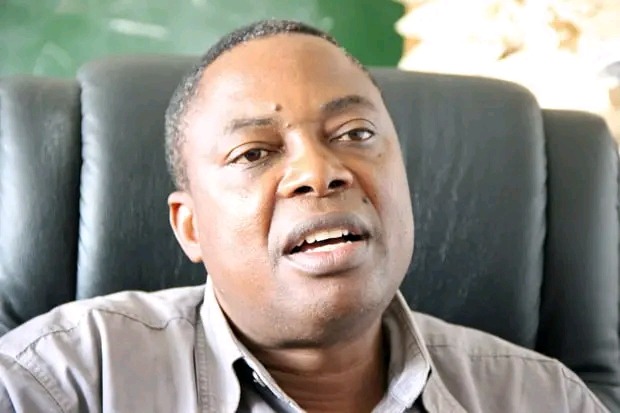
Dr. Lee Habasonda, a political scientist and lecturer at the University of Zambia, recently advocated for the inclusion of a law defining the official residence of the Head of State within Zambia's ongoing constitutional amendment debate. The excerpt indicates that Dr. Habasonda believes this specific issue should be a key component of the proposed constitutional and policy reforms currently under discussion in the country. His commentary highlights a perceived gap in the existing legal framework concerning the precise definition and regulation of the President's official dwelling, suggesting that such a provision would bring greater clarity and structure to state governance.
This public statement carries significant legal implications for practitioners, particularly those engaged in public law, constitutional matters, and governance. A constitutional provision explicitly defining the official residence of the Head of State could impact various legal domains, including state property law, public finance, security legislation, and even the protocols surrounding presidential transitions. Such a definition could clarify the legal status of state-owned properties used by the President, influence budgetary allocations for maintenance and security, and potentially set precedents for future officeholders. For businesses, especially those involved in construction, property management, or security services for state entities, a clearer constitutional mandate could affect procurement processes and contractual agreements related to presidential residences.
The legal context for this discussion is Zambia's current constitutional amendment process, which provides an opportunity to review and revise fundamental laws governing the nation. While the excerpt does not specify particular articles, any amendment concerning the Head of State's residence would likely fall under provisions related to the Executive branch, presidential emoluments, state assets, or general principles of good governance. The Zambian Constitution outlines the framework for the presidency, and any new provision would either amend existing articles or introduce new ones to address this specific aspect. The process of constitutional amendment in Zambia typically involves extensive public consultation, parliamentary debate, and potentially a national referendum, depending on the nature of the proposed changes. The Constitutional Court of Zambia would ultimately be responsible for interpreting any newly enacted provisions and resolving any disputes arising from their application.
The key party involved in this specific development is Dr. Lee Habasonda, who has publicly voiced his opinion on the matter. The broader context involves the Zambian government, particularly the legislative arm (Parliament) responsible for enacting constitutional amendments, and the Executive, whose office would be directly affected by such a provision. While the excerpt does not report any formal legislative proposal or action, Dr. Habasonda's intervention contributes to the public discourse surrounding the constitutional review. The outcome of whether this specific suggestion will be adopted into the constitutional amendment process is not yet reported.
Practitioners, especially those specializing in constitutional and administrative law, should closely monitor the ongoing constitutional amendment debate in Zambia for any developments related to the Executive and state property. Understanding the nuances of how the presidential residence might be constitutionally defined will be crucial for advising clients on matters ranging from state contracts and property law to governance and public accountability. Businesses that interact with the state, particularly in areas of infrastructure, security, or property services, should also pay attention to these discussions, as constitutional clarity could influence future tenders and operational requirements. Attorneys should be prepared to analyze the implications of any new constitutional provisions on existing laws and practices.
How does this affect you?
Get an AI analysis of this article grounded in your jurisdictions, practice areas, and any policy documents you've uploaded to Wansom.
Finish Reading the Full Story and the Expert Analysis.
Get the latest legal & regulatory intelligence in Zambia
Wansom is AI and can make mistakes.