
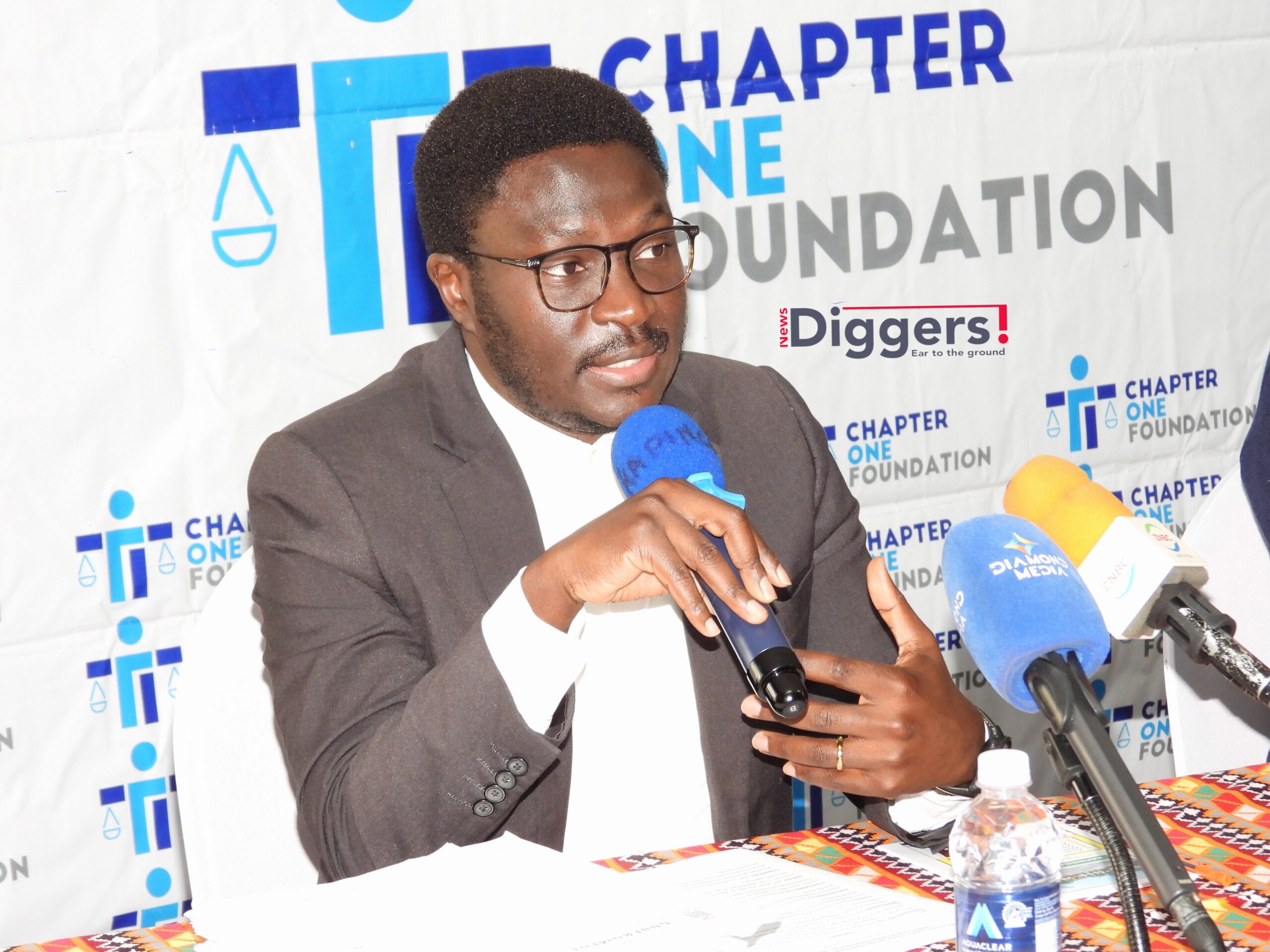
COF Zambia: Ready for Presidential Term Limits Litigation
Summary
- Chapter One Foundation (COF) Executive Director Josiah Kalala stated civil society would consider legal action.
- This action would be triggered by any attempts to remove Zambia's constitutional two-term presidential limit.
- Kalala expressed hope that the government would publicly disavow support for removing the term limits.
What Happened
This positions the Chapter One Foundation at the forefront of potential COF Zambia presidential term limits litigation, signaling a robust and determined defense of established democratic norms and constitutional provisions.
The Chapter One Foundation (COF), a prominent civil society organization in Zambia, has issued a definitive statement through its Executive Director, Josiah Kalala, indicating a readiness to pursue legal action. This declaration comes with a clear condition: COF and its civil society allies will consider initiating litigation if any attempts are made to dismantle the constitutionally mandated two-term limit for the presidency. This proactive stance underscores a firm commitment to safeguarding the existing constitutional framework of Zambia.
Kalala explicitly stated that the civil society sector would seriously evaluate and potentially undertake legal proceedings should efforts to remove the Zambia constitutional two-term limit for the head of state gain traction. This positions the Chapter One Foundation at the forefront of potential COF Zambia presidential term limits litigation, signaling a robust and determined defense of established democratic norms and constitutional provisions. The organization's readiness to engage the judiciary highlights the gravity with which it views any proposed changes to this fundamental aspect of governance.
Despite this preparedness for judicial confrontation, Kalala also articulated a preferred, less adversarial path. He expressed a hope that the government would preemptively issue a clear public statement affirming its non-support for any initiatives aimed at eliminating the presidential term limits. This sentiment suggests a desire for political assurance and a clear commitment from the executive branch to uphold the current constitutional order, potentially averting the need for civil society legal action Zambia.
Legal Context
At the heart of this potential legal dispute lies the Zambia constitutional two-term limit, a foundational element embedded within the nation's supreme law. This specific provision is meticulously designed to ensure a regular and peaceful transfer of power, thereby preventing the concentration of authority in a single individual for an indefinite period. Such limits are widely recognized as crucial safeguards against the erosion of democratic principles and are instrumental in fostering accountability within the highest echelons of government.
The constitutional entrenchment of presidential term limits serves as a bulwark against potential authoritarianism, promoting political stability and encouraging a dynamic political landscape where leadership renewal is a regular feature. Any proposed alteration or abolition of such a fundamental limit would inevitably precipitate a significant legal and public discourse, as it directly challenges the very essence of the country's constitutional architecture. The prospect of Josiah Kalala presidential term limits litigation underscores the profound importance of these entrenched legal protections and the constitutional principles they embody.
This constitutional provision reflects a broader international trend among democratic nations to institutionalize checks on executive power. By limiting the tenure of the president, the constitution aims to prevent the abuse of power, reduce corruption, and ensure that leaders remain responsive to the electorate, knowing their time in office is finite. The legal framework surrounding these limits is therefore not merely a technicality but a cornerstone of democratic governance, making any challenge to it a matter of profound constitutional significance.
Why It Matters
The unequivocal declaration by the Chapter One Foundation carries substantial implications for Zambia's political and legal landscape, signaling a critical moment for constitutional governance. It clearly communicates that civil society organizations are not only vigilant but also prepared to actively utilize judicial avenues to uphold constitutional integrity, particularly concerning vital democratic safeguards such as presidential term limits. Such civil society legal action Zambia could establish a significant precedent for how future constitutional amendments or challenges are addressed within the nation's legal system.
This development is of particular relevance for legal professionals specializing in constitutional law and public law in Zambia, as it foreshadows potentially high-stakes litigation that could reshape constitutional interpretation. The outcome of any such legal challenge would not only directly determine the fate of presidential term limits but also profoundly influence the broader understanding of constitutional checks and balances and the distribution of power within the Zambian state. It underscores the active and critical role that civil society plays in monitoring and defending democratic institutions against perceived threats or attempts to undermine foundational legal principles.
The potential for COF Zambia presidential term limits litigation highlights the ongoing tension between political expediency and constitutional fidelity. It serves as a powerful reminder that the constitution is not merely a document but a living framework that requires constant vigilance and, at times, robust defense from all sectors of society, including civil society organizations. The Chapter One Foundation's stance reinforces the idea that constitutional principles, once established, are not easily discarded and that there are dedicated actors prepared to defend them through legal means.
Practical Implications
Lawyers specializing in constitutional law and public law in Zambia should monitor this development closely, as it signals potential high-profile litigation challenging attempts to alter presidential term limits, which could have significant implications for governance and constitutional interpretation.
Source
How does this affect you?
Get an AI analysis of this article grounded in your jurisdictions, practice areas, and any policy documents you've uploaded to Wansom.
Finish Reading the Full Story and the Expert Analysis.
Get the latest legal & regulatory intelligence in Zambia
Wansom is AI and can make mistakes.