
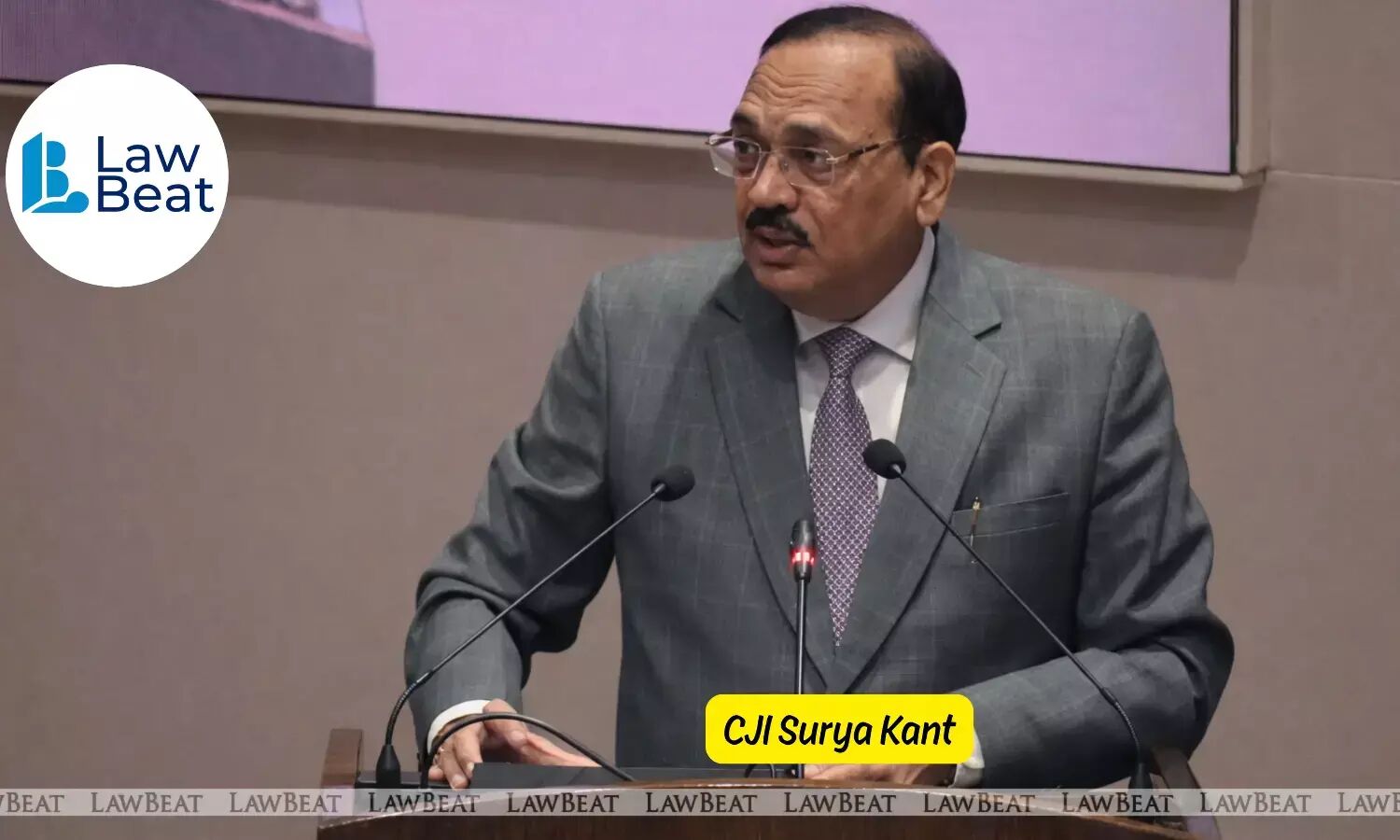
CJI Surya Kant: Refuses Rahul Gandhi Meeting Over Sub Judice Matters
Summary
- CJI Surya Kant refused to meet Rahul Gandhi and Mallikarjun Kharge regarding electoral issues and other grievances.
- The Chief Justice cited the sub judice nature of the matters and the principle of separation of powers as reasons for his refusal.
- He emphasized that the Supreme Court lacks administrative powers for such issues and advised the opposition to use formal judicial channels.
- The CJI suggested filing a petition, noting that similar issues were already scheduled for hearing and assured an expeditious review.
- The opposition had sought to discuss alleged electoral irregularities, including the SIR exercise and demands for the CEC's resignation.
Judicial Head Declines Political Meeting
The Chief Justice underscored that engaging in discussions about ongoing cases through such a meeting would fundamentally contradict the principle of Separation of Powers, a core element of India's basic structure doctrine, and would be inconsistent with established judicial ethics and propriety.
Chief Justice of India Surya Kant recently declined a request for a meeting from prominent opposition figures, including Leader of Opposition Rahul Gandhi and Congress president Mallikarjun Kharge. The leaders had sought an appointment on October 10, 2026, to be held on October 12, 2026, between 4 PM and 5 PM, with the intention of submitting a memorandum addressing various concerns.
The memorandum was slated to cover a range of issues, including matters related to the Chief Election Commissioner and the Election Commission of India, allegations of arbitrary arrests of students, the closure of metro stations, and the cancellation of trains. This request came amidst ongoing opposition protests in Delhi, which focused on the SIR exercise and alleged electoral irregularities, with the opposition also demanding the resignation of Chief Election Commissioner Gyanesh Kumar and a return to paper ballots.
Upholding Constitutional Principles and Judicial Propriety
In his response, the Chief Justice of India Surya Kant articulated clear reasons for his refusal, emphasizing the foundational principles governing the Indian judiciary. He highlighted that the issues the opposition leaders wished to discuss were already sub judice before the Supreme Court of India. The Chief Justice underscored that engaging in discussions about ongoing cases through such a meeting would fundamentally contradict the principle of Separation of Powers, a core element of India's basic structure doctrine, and would be inconsistent with established judicial ethics and propriety.
Furthermore, CJI Kant clarified that the Supreme Court of India is not vested with administrative powers to address the types of issues presented by the opposition. He stressed that the judiciary's role is distinct from that of the executive or legislative branches, reinforcing the importance of judicial independence and the proper channels for addressing grievances within the constitutional framework.
Proper Channels for Redressal
Instead of an administrative meeting, Chief Justice Kant advised the opposition leaders to invoke the judicial powers of the Supreme Court through formal legal processes. He noted that some matters highlighting similar concerns were already scheduled for hearing on October 13, 2026, indicating the court's readiness to address such issues through established legal procedures.
The CJI provided specific instructions for filing a petition, stating that it could be submitted physically at the Supreme Court on October 12, 2026, between 10:30 AM and 4:30 PM, or alternatively, through the e-filing option, which allows submissions at any time. He offered an assurance that any such petition would be heard at the earliest possible opportunity, in accordance with the law, thereby guiding the political leaders toward the appropriate legal avenues for their concerns. This development occurred ahead of a planned 'Chalo Delhi – March for Democracy' by the opposition to the Supreme Court.
Practical Implications
This development reinforces the strict adherence to the principle of separation of powers and judicial independence in India. Lawyers should advise clients that grievances related to matters sub judice or electoral irregularities must be addressed through formal judicial processes (filing petitions) rather than attempting to engage the judiciary in administrative or political discussions, as the Supreme Court's role is judicial, not administrative.
Source
How does this affect you?
Get an AI analysis of this article grounded in your jurisdictions, practice areas, and any policy documents you've uploaded to Wansom.
Finish Reading the Full Story and the Expert Analysis.
Get the latest legal & regulatory intelligence in India
Wansom is AI and can make mistakes.