
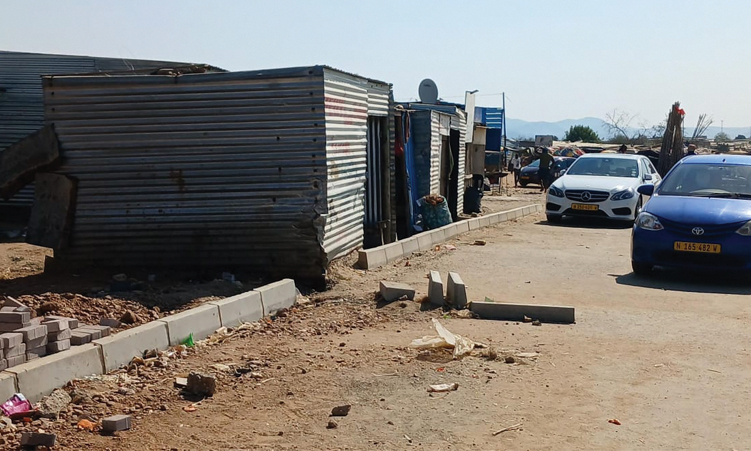
City of Windhoek: Files Havana Eviction Case Against 50 Residents
Summary
- The City of Windhoek has sued over 50 residents in Havana for refusing to relocate from land designated for a road project and community stalls.
- The City's application to the Windhoek High Court seeks permission for the forced removal of approximately 50 homes.
- The land is needed to complete a road at a key intersection and to establish community stalls for vendors in Havana.
- This case highlights the legal challenges municipalities face in urban development projects requiring resident relocation.
- The High Court's decision will set a precedent for property rights, due process, and compensation standards in future land disputes in Namibia.
The Havana Eviction Dispute
The City of Windhoek has initiated legal proceedings against more than 50 individuals residing in Havana, seeking a court order to forcibly remove them from their homes.
The City of Windhoek has initiated legal proceedings against more than 50 individuals residing in Havana, seeking a court order to forcibly remove them from their homes. This significant **City of Windhoek Havana eviction case** stems from the residents' refusal to vacate land designated for a municipal development project. The urban authority's application to the Windhoek High Court represents a critical step in its efforts to clear the site for planned infrastructure.
The land in question, located within the Havana area, is earmarked for a dual purpose: the completion of a vital road at a key intersection and the establishment of community stalls. These stalls are intended to provide a designated space for local vendors to sell their goods, aiming to integrate economic opportunities with urban planning. However, the approximately 50 households currently occupying the site have resisted relocation, leading to the current **Windhoek High Court land dispute**.
This standoff highlights the complex challenges faced by municipal authorities in balancing urban development goals with the rights and needs of existing communities. The City's move to seek judicial intervention underscores the difficulties encountered when voluntary relocation efforts prove unsuccessful, forcing a legal confrontation over land use and occupation in a rapidly developing urban environment.
Municipal Eviction Application in Namibia
The core of the City of Windhoek's legal strategy is a **municipal eviction application Namibia** filed with the High Court. Through this application, the City is requesting explicit judicial permission to carry out the forced removal of the approximately 50 homes situated on the disputed land. This legal action is a direct response to the persistent refusal of the **Havana residents forced removal** from the site, which the City deems essential for its public works projects.
The City's petition to the High Court is a formal request for authority to clear the area, enabling the progression of the **City of Windhoek road project** and the construction of the community stalls. Such applications are often a last resort for municipalities when negotiations or voluntary relocation schemes fail. The court's decision in this matter will therefore be closely watched, as it could establish important precedents for how similar land disputes are resolved in the future, particularly concerning the extent of municipal powers in urban development and the protections afforded to residents.
Implications for Property Rights and Urban Development
This **Namibia property rights eviction** case carries significant implications beyond the immediate parties involved. The High Court's ruling will inevitably shape the legal landscape for future urban development projects across Namibia, particularly those requiring the relocation of residents. It will provide clarity on the legal thresholds and processes municipalities must adhere to when undertaking forced evictions, potentially influencing standards for due process and compensation.
For legal practitioners, the outcome of this case will be crucial in understanding the balance between municipal authority to implement public projects and the fundamental property rights of citizens. The court's interpretation of existing laws and its approach to granting orders for forced removal will set a precedent for how similar land disputes are managed, impacting both urban planning strategies and the legal protections available to communities facing displacement due to development initiatives.
Practical Implications
This case highlights the legal challenges and potential precedents for municipal authorities undertaking urban development projects in Namibia, particularly concerning forced evictions and resident relocation. Lawyers should monitor the High Court's decision for implications on property rights, due process, and compensation standards in similar land disputes.
Source
How does this affect you?
Get an AI analysis of this article grounded in your jurisdictions, practice areas, and any policy documents you've uploaded to Wansom.
Wansom is AI and can make mistakes.