
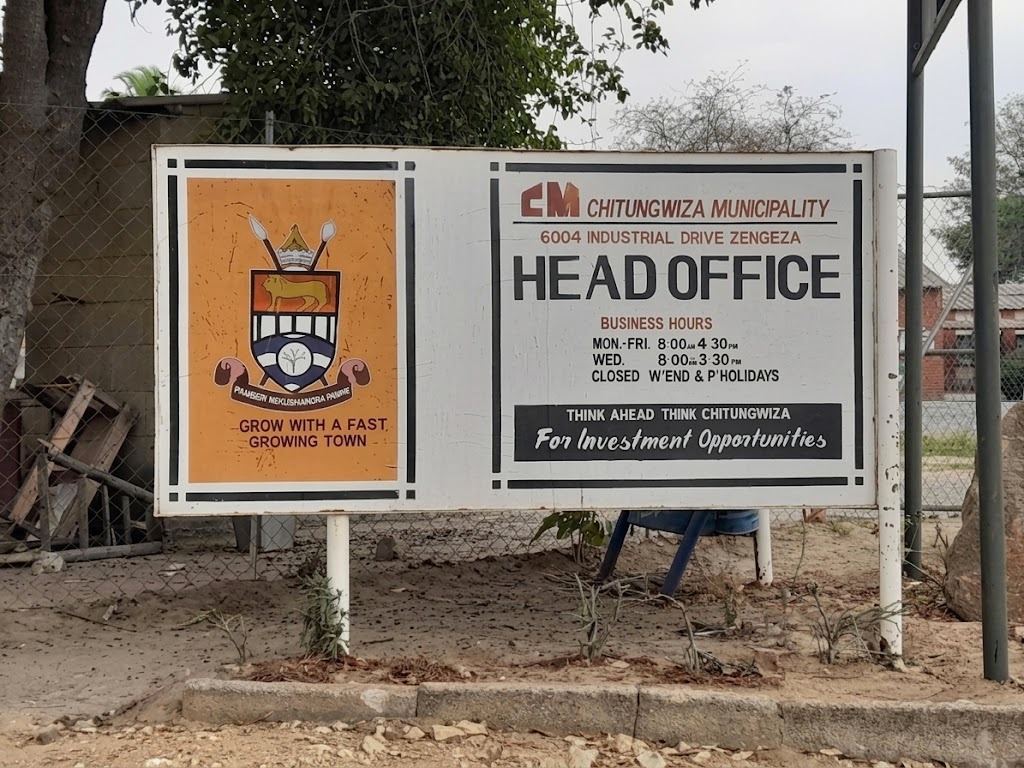
Chitungwiza Council: Enforces Illegal Vending Ban on Road Servitudes
Summary
- The Chitungwiza local authority has issued a public notice announcing an immediate end to illegal trading.
- The directive, signed by the Acting Town Clerk, specifically targets informal traders operating along road servitudes and town streets.
- This action constitutes a Chitungwiza illegal vending ban, signaling a decisive move to regulate informal commerce.
- The notice indicates a heightened enforcement posture against trading practices deemed non-compliant with local regulations.
Immediate Ban on Informal Trading Announced
This declaration effectively institutes a Chitungwiza illegal vending ban, marking a decisive move by the local council to regulate and control informal commerce.
The Chitungwiza local authority has formally declared an immediate cessation of all unauthorized commercial activities occurring within its municipal boundaries. This significant directive, communicated via a public notice, bears the signature of the Acting Town Clerk, underscoring its official and urgent nature. The announcement specifically targets individuals engaged in informal trading along the various road servitudes and within the bustling town streets of Chitungwiza.
This declaration effectively institutes a Chitungwiza illegal vending ban, marking a decisive move by the local council to regulate and control informal commerce. The public notice from the Chitungwiza Town Clerk serves as a clear signal of an impending crackdown on trading practices that fall outside the established legal frameworks governing urban commercial spaces. This action is poised to reshape the landscape for numerous informal traders who rely on these locations for their livelihoods, indicating a firm stance from the local government against what it deems non-compliant operations.
Legal and Regulatory Framework
Under Zimbabwean law, local authorities like Chitungwiza are vested with considerable powers to manage and regulate public spaces, including the designation of areas for commercial activity and the enforcement of urban planning bylaws. This recent Chitungwiza illegal vending ban is a direct exercise of these powers, operating within the broader framework of Zimbabwe local authority vending regulations. These regulations typically delineate permissible trading zones, licensing requirements, and operational standards for informal businesses.
The council's characterization of the targeted activities as "illegal trading" indicates that, in its view, these operations are being conducted without the necessary permits or in locations not designated for such commerce, thereby contravening established municipal ordinances. The issuance of a public notice, particularly one signed by a high-ranking official like the Acting Town Clerk, is a standard administrative procedure for councils to communicate policy changes or enforcement intentions to the public. This method serves to formally assert the local authority's regulatory mandate and to ensure public awareness of impending compliance measures, particularly concerning Illegal street vending Zimbabwe law. The immediate effect of the ban underscores the council's perception of the urgency of the matter, suggesting that the current scale or nature of informal trading along road servitudes and town streets has reached a point where swift intervention is deemed essential for public order and urban management.
Implications for Informal Traders
The Chitungwiza informal traders ultimatum carries profound implications for the substantial number of individuals and families who depend on street vending for their daily sustenance. An "immediate end" to trading along road servitudes and town streets translates into an abrupt cessation of economic activity for these vendors, potentially leaving them without immediate alternative sources of income or designated trading spaces. This directive signals a significantly heightened risk of enforcement actions, which could range from the confiscation of goods and equipment to the imposition of fines or other penalties for those who continue to operate in the now-prohibited areas.
For legal professionals advising businesses or individuals involved in informal trading within Chitungwiza, this public notice represents a critical development. It necessitates prompt communication with clients to alert them to the increased enforcement risk and the potential for severe disruption to their operations or financial penalties. The Chitungwiza illegal vending ban, therefore, is not merely a regulatory adjustment but a measure with direct and potentially severe socio-economic consequences, highlighting the need for informal traders to urgently seek clarity on compliance and potential relocation options to avoid adverse outcomes.
Practical Implications
Lawyers advising businesses or individuals involved in informal trading in Chitungwiza should immediately alert clients to this ultimatum, as it signals heightened enforcement risk and potential for disruption or penalties for non-compliant operations along road servitudes and streets.
Source
Source: Original reporting via Newsday
How does this affect you?
Get an AI analysis of this article grounded in your jurisdictions, practice areas, and any policy documents you've uploaded to Wansom.
Finish Reading the Full Story and the Expert Analysis.
Get the latest legal & regulatory intelligence in Zimbabwe
Wansom is AI and can make mistakes.