
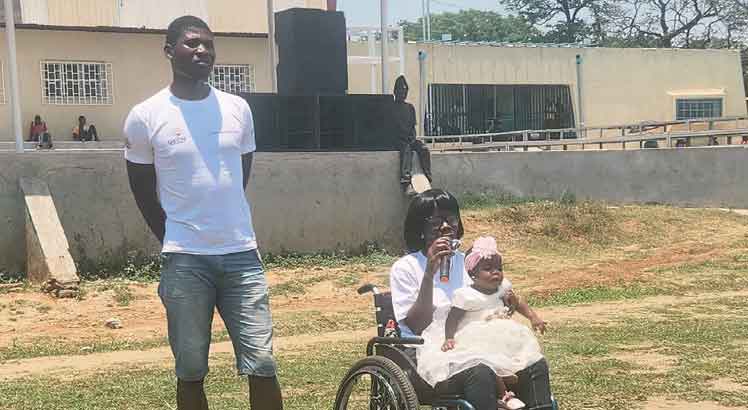
Child Help Malawi: Urges Increased Disability Awareness for Spina Bifida
Summary
- Blessings Chapweteka, who works for Child Help SBH in Malawi, has called for increased public health awareness in Malawi regarding spina bifida and hydrocephalus.
- Limited awareness is identified as a primary factor contributing to significant gaps in support for individuals with these conditions.
- Only an estimated 4,000 out of 20,000 people affected by spina bifida and hydrocephalus in Malawi currently receive assistance.
- Child Help's advocacy aims to foster collaborative efforts among stakeholders to improve Malawi spina bifida hydrocephalus support.
- This push for Child Help Malawi disability awareness is crucial for potentially influencing health policy and legislative reforms.
What Happened
The significant gap between the estimated 20,000 individuals affected by spina bifida and hydrocephalus and the mere 4,000 who receive support illustrates a profound challenge within Malawi's healthcare and social welfare infrastructure.
Blessings Chapweteka, who works for Child Help SBH in Malawi, has issued a significant call to action, urging various stakeholders to unite in their efforts to elevate public health awareness in Malawi concerning spina bifida and hydrocephalus. This appeal underscores a critical issue: the current scarcity of public understanding about these conditions is directly contributing to substantial deficiencies in the support systems available for affected individuals. The organization, Child Help Malawi, is at the forefront of this disability awareness campaign.
Mr. Chapweteka highlighted a stark disparity in the provision of care, revealing that a mere 4,000 individuals out of an estimated 20,000 living with spina bifida and hydrocephalus across the nation are currently receiving any form of assistance. This statistic paints a clear picture of the vast unmet needs within the community, emphasizing the urgent necessity for enhanced Child Help Malawi disability awareness initiatives. The statement serves as a powerful reminder of the human cost associated with insufficient knowledge and resources.
The Current Landscape of Support
The significant gap between the estimated 20,000 individuals affected by spina bifida and hydrocephalus and the mere 4,000 who receive support illustrates a profound challenge within Malawi's healthcare and social welfare infrastructure. This disparity suggests that a large majority of those living with these complex conditions are navigating their daily lives without the necessary medical, rehabilitative, or social services. The absence of comprehensive Malawi spina bifida hydrocephalus support can lead to preventable complications, reduced quality of life, and increased burden on families.
This situation also points to broader issues within Malawi disability rights advocacy, where the rights of individuals with disabilities to access appropriate care and live with dignity are not fully realized. The lack of awareness not only affects public perception but also impacts resource allocation and the development of specialized services. Addressing these systemic shortcomings requires a concerted effort to educate the public and policymakers alike about the specific needs associated with spina bifida and hydrocephalus.
Call for Collaborative Action and Policy Implications
The plea from Blessings Chapweteka of Child Help is not merely for general awareness but for a collaborative, multi-sectoral approach involving government bodies, non-governmental organizations, healthcare providers, and community leaders. This NGO advocacy Malawi health policy aims to transform the current landscape by fostering an environment where individuals with spina bifida and hydrocephalus receive timely and appropriate interventions. Such a concerted effort could pave the way for more inclusive health policies and dedicated funding streams.
Increased public health awareness in Malawi is seen as a foundational step toward advocating for concrete legislative and policy reforms. By bringing these conditions into the national spotlight, organizations like Child Help hope to catalyze changes that ensure better access to diagnosis, treatment, and ongoing support services. The ultimate goal is to integrate the needs of this vulnerable population more effectively into the national health agenda, ensuring that the rights and well-being of every individual are upheld.
Why It Matters
The implications of the current situation extend far beyond the immediate health challenges faced by individuals with spina bifida and hydrocephalus. It touches upon fundamental human rights, including the right to health and non-discrimination. When a significant portion of a vulnerable population lacks essential support, it reflects a systemic failure that impacts societal equity and development. The advocacy by Blessings Chapweteka Child Help is therefore crucial for fostering a more inclusive and supportive society.
For legal professionals advising NGOs, human rights organizations, or those involved in public health policy in Malawi, this ongoing advocacy presents a critical area for monitoring. The push for enhanced Child Help Malawi disability awareness and improved Malawi spina bifida hydrocephalus support could lead to significant legislative or policy reforms. Understanding these developments is vital for anticipating changes in the legal and regulatory framework surrounding disability rights and public health initiatives in the country.
Practical Implications
Lawyers advising NGOs, human rights organizations, or involved in public health policy in Malawi should monitor this advocacy for potential legislative or policy reforms aimed at improving support and awareness for individuals with spina bifida and hydrocephalus.
Source
How does this affect you?
Get an AI analysis of this article grounded in your jurisdictions, practice areas, and any policy documents you've uploaded to Wansom.
Finish Reading the Full Story and the Expert Analysis.
Get the latest legal & regulatory intelligence in Malawi
Wansom is AI and can make mistakes.