
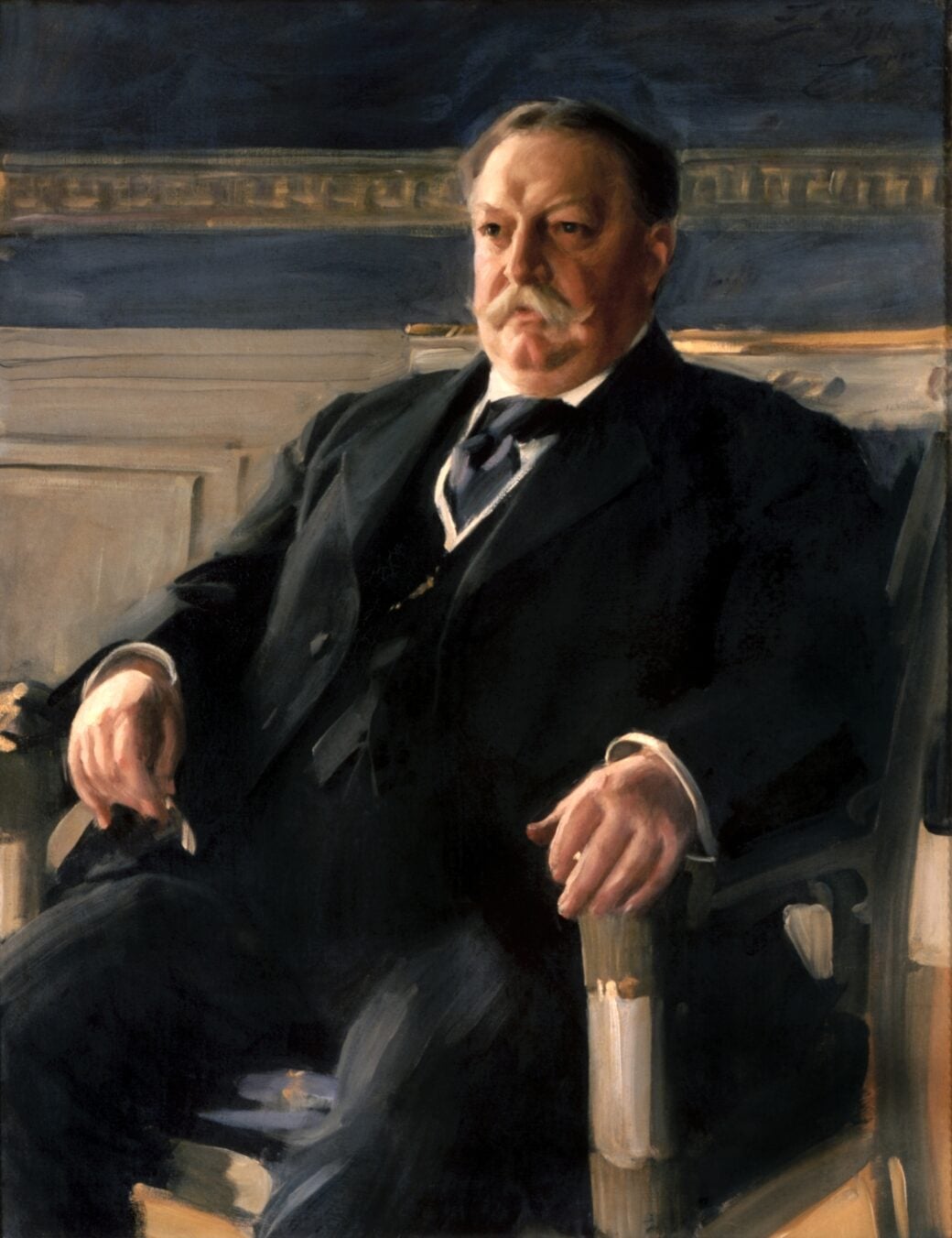
US Supreme Court Taft's United States v Lanza Precedent
Summary
- Chief Justice Roberts recently paid tribute to William Howard Taft in a speech that was as much about defending his own record as it was about celebrating Taft's legacy.
- Taft wrote for a unanimous court in United States v. Lanza, establishing the dual sovereignty doctrine, a key constitutional concept that remains relevant today.
- The dual sovereignty doctrine established in Lanza remains a significant legal concept, with lawyers continuing to consider its implications in cases involving successive prosecutions by different sovereigns.
- Taft's opinion in Lanza has significant implications for constitutional law, particularly concerning the Double Jeopardy Clause and the balance of power between state and federal governments.
What Happened
In this 1922 prohibition case, Taft wrote for a unanimous court and laid out the dual sovereignty doctrine, a key constitutional concept that remains relevant today.
Chief Justice Roberts recently paid tribute to William Howard Taft, but his praise was not entirely disinterested. In fact, Roberts' comments were likely motivated by a desire to defend his own record as Chief Justice. This is because Taft's legacy on the US Supreme Court is more complex than Roberts let on. While Taft did write relatively few notable opinions during his tenure, one case stands out: United States v. Lanza. In this 1922 prohibition case, Taft wrote for a unanimous court and laid out the dual sovereignty doctrine, a key constitutional concept that remains relevant today.
Legal Context
The significance of United States v. Lanza cannot be overstated. This case was one of the first major tests of the 18th Amendment, which prohibited the manufacture, sale, and transportation of intoxicating liquors. Taft's opinion in Lanza established a crucial precedent that would shape the Court's approach to constitutional interpretation for decades to come. The dual sovereignty doctrine established in Lanza remains a significant legal concept, with lawyers continuing to consider its implications in cases involving successive prosecutions by different sovereigns.
Why It Matters
As lawyers and judges continue to grapple with the legacy of Taft's precedent, it's essential to understand what's at stake. The dual sovereignty doctrine established in Lanza has significant implications for constitutional law, particularly concerning the Double Jeopardy Clause and the balance of power between state and federal governments. With defendants facing charges related to this very same concept, lawyers would do well to brush up on the details of Taft's opinion and its ongoing impact on American jurisprudence.
Practical Implications
Lawyers should watch for the potential application of this 100-year-old precedent in high-profile cases, particularly those involving the same key constitutional concept.
Source
How does this affect you?
Get an AI analysis of this article grounded in your jurisdictions, practice areas, and any policy documents you've uploaded to Wansom.
Wansom is AI and can make mistakes.