
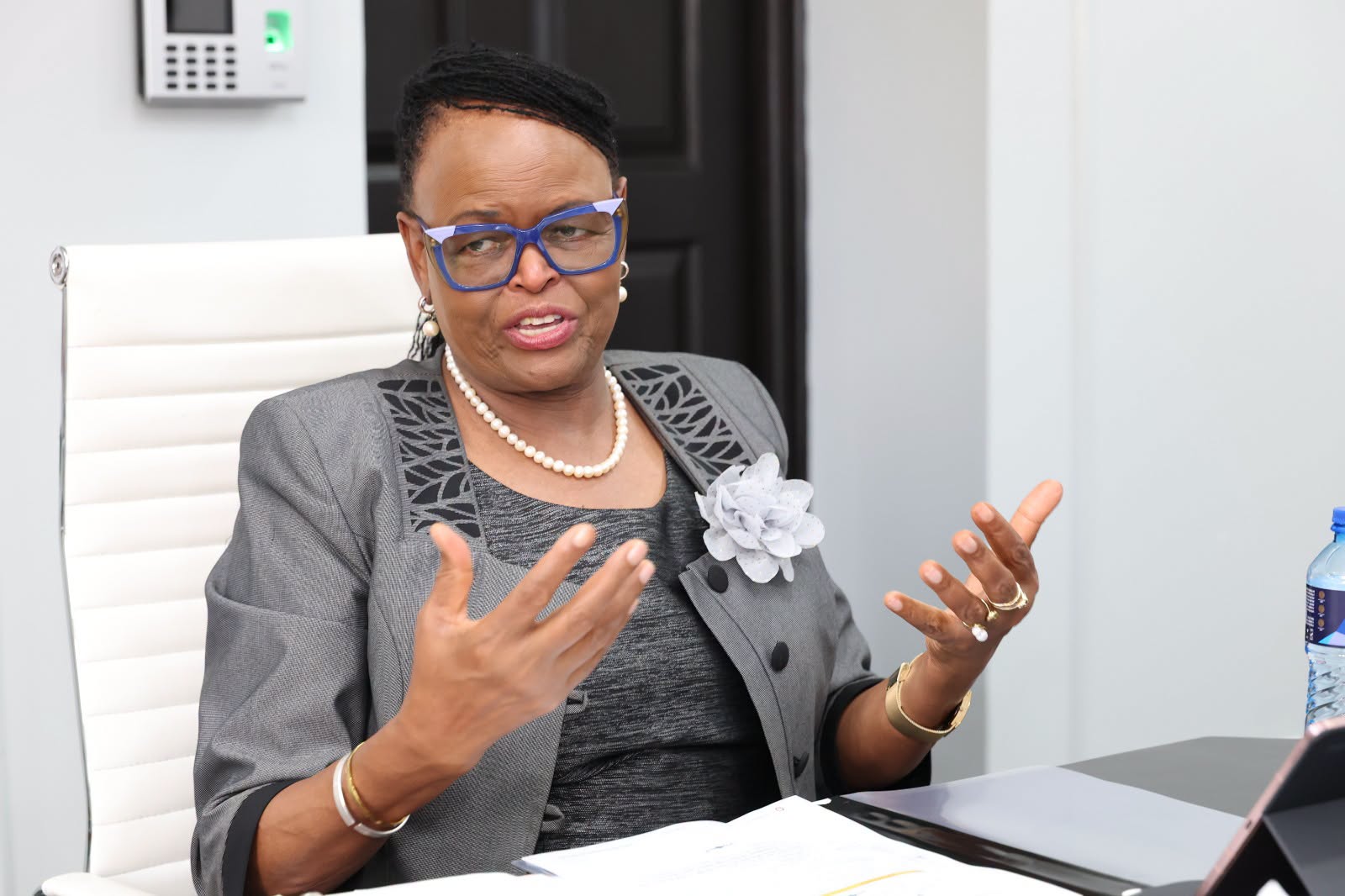
Chief Justice Koome: Pursue Political Violence Financiers in Kenya
Summary
- Chief Justice Martha Koome has called for security agencies to prosecute financiers and organizers of political violence in Kenya.
- She emphasized the need to dismantle entire networks rather than just arresting low-level perpetrators, especially ahead of the 2027 General Election.
- The Prevention of Organised Crimes Act, 2010, was cited as the legal framework for holding those behind criminal networks accountable.
- Koome cautioned the Judiciary against allowing public anger to influence bail decisions, upholding the constitutional right to bail for arrested persons.
- The Chief Justice warned that political goonism threatens constitutional freedoms and urged decisive action to prevent its entrenchment before the 2027 polls.
Chief Justice Targets Political Violence Networks
A sustainable solution requires pursuing the masterminds, as every organized criminal activity operates through a network that must be systematically dismantled.
Chief Justice Martha Koome has issued a strong directive to security agencies, urging them to actively pursue and prosecute individuals who finance and organize political violence across Kenya. Speaking in Kieganguru, Maara Constituency, Tharaka-Nithi County, during the launch of the Annual Child Justice Service Month and the official opening of the Maara Law Courts, Koome underscored that merely apprehending those directly involved in attacks, often referred to as "hired thugs," is insufficient to curb the escalating threat to the nation's democratic processes. She emphasized that such an approach fails to dismantle the underlying networks that perpetuate political thuggery.
The Chief Justice highlighted that political violence poses a significant risk to the rule of law and the fundamental constitutional freedoms of Kenyans, especially as the country moves closer to the 2027 General Election. She called for investigations to extend beyond the immediate perpetrators to identify and hold accountable those who are responsible for recruiting, financing, equipping, and directing violent groups. Koome firmly stated that authorities must "follow the money, identify the financiers, and hold those who organise, fund, and deploy these groups accountable," rather than stopping at the arrest of young individuals recruited to carry out violence.
Leveraging Legal Frameworks for Accountability
Chief Justice Koome stressed that treating incidents of political violence as isolated criminal acts, without delving into the coordinated networks behind them, would only allow the problem to persist. She asserted that a sustainable solution requires pursuing the masterminds, as every organized criminal activity operates through a network that must be systematically dismantled. Koome challenged law enforcement agencies to thoroughly investigate who recruits young people into these groups, who provides their payment and resources, and who issues their instructions.
To bolster these efforts, Koome specifically referenced the Prevention of Organised Crimes Act, 2010, as the existing legal framework designed to address such activities. This legislation covers various aspects of organized crime, including the recruitment of individuals into criminal groups and the facilitation of their operations. The Chief Justice insisted that this law must be applied rigorously to ensure that those who finance and sustain criminal networks are held fully accountable, warning that failure to do so risks creating an endless cycle where new perpetrators emerge as old ones are arrested.
Balancing Enforcement with Constitutional Rights
While advocating for stringent action against those orchestrating political violence, Chief Justice Koome also issued a crucial caution regarding the Judiciary's role. She warned against allowing public anger or sentiment to unduly influence judicial decisions, particularly concerning the release of arrested suspects on bail. Koome reiterated that the Judiciary is bound by the Constitution, which guarantees all arrested persons the right to bail or bond under reasonable conditions, unless compelling reasons are presented for its denial.
The Chief Justice emphasized that the legal system cannot indefinitely detain individuals simply because there is public outrage over a particular offense, as the Constitution mandates that every person be treated according to the law. She underscored that no political leader, irrespective of their position or influence, should be permitted to incite violence against fellow citizens with impunity, as such actions undermine constitutional freedoms of expression, association, and peaceful assembly. Koome urged authorities to act decisively to prevent political violence from becoming deeply entrenched or from jeopardizing the peaceful conduct of the upcoming 2027 General Election.
Practical Implications
Lawyers should advise clients involved in political campaigns or funding to review their activities and associations, as Chief Justice Koome's directive signals increased enforcement focus on prosecuting financiers and organisers of political violence under the Prevention of Organised Crimes Act, 2010, ahead of the 2027 elections. Furthermore, legal counsel should be prepared to assert constitutional bail rights for clients arrested in connection with such incidents, despite potential public pressure.
Source
How does this affect you?
Get an AI analysis of this article grounded in your jurisdictions, practice areas, and any policy documents you've uploaded to Wansom.
Wansom is AI and can make mistakes.